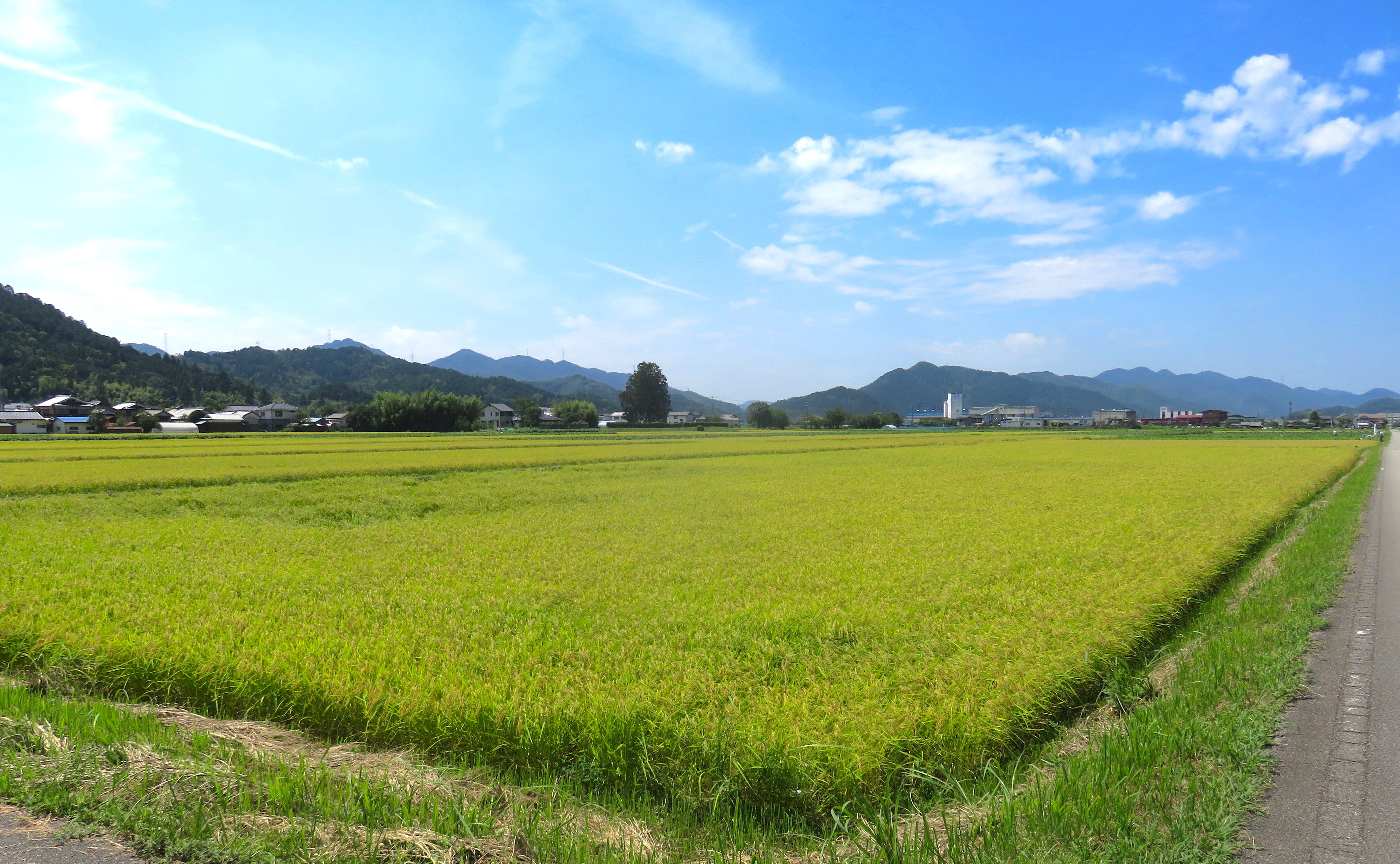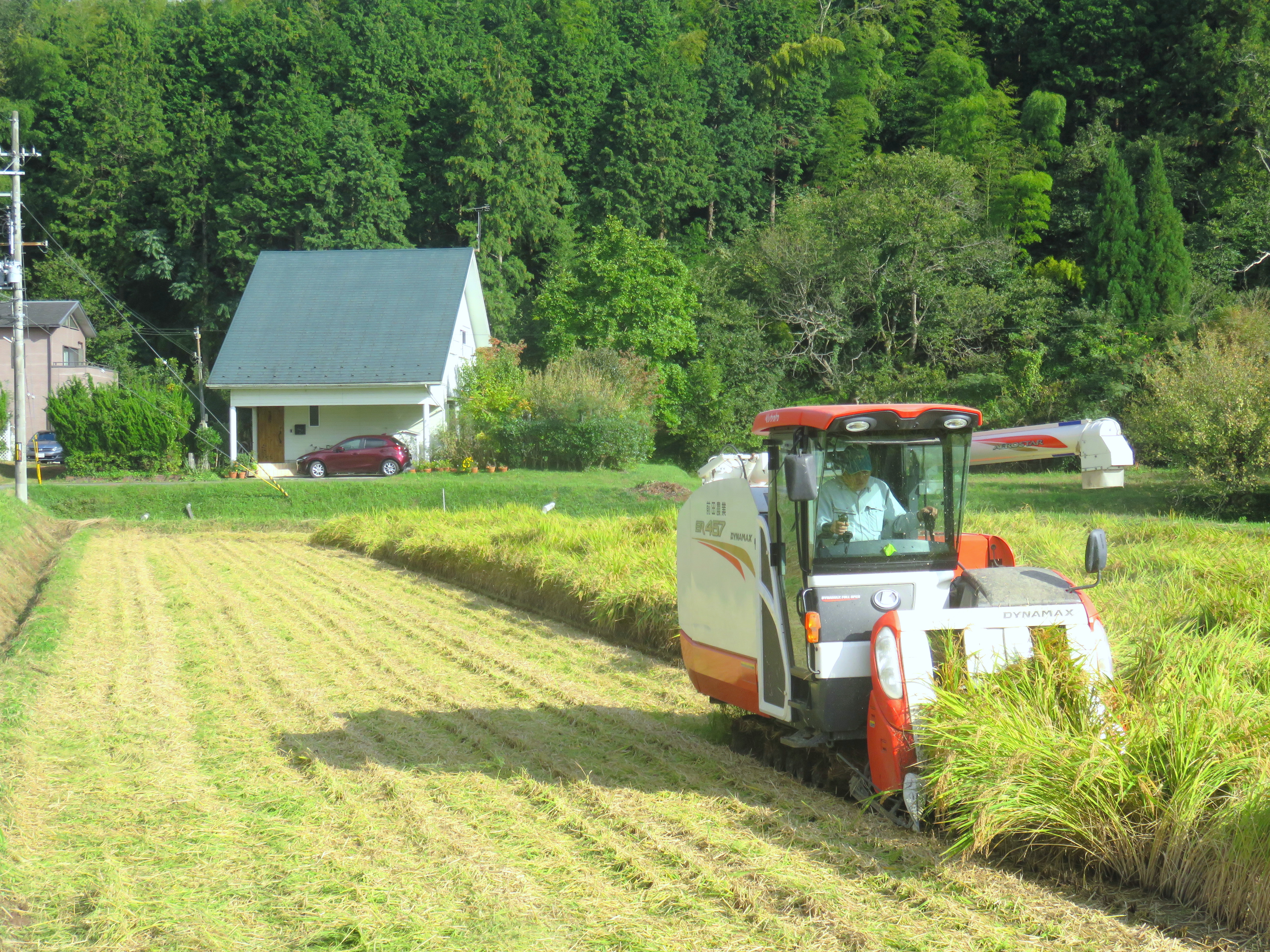
It probably seems late to be writing here in December about harvesting anything.
But soybeans are an interesting crop.
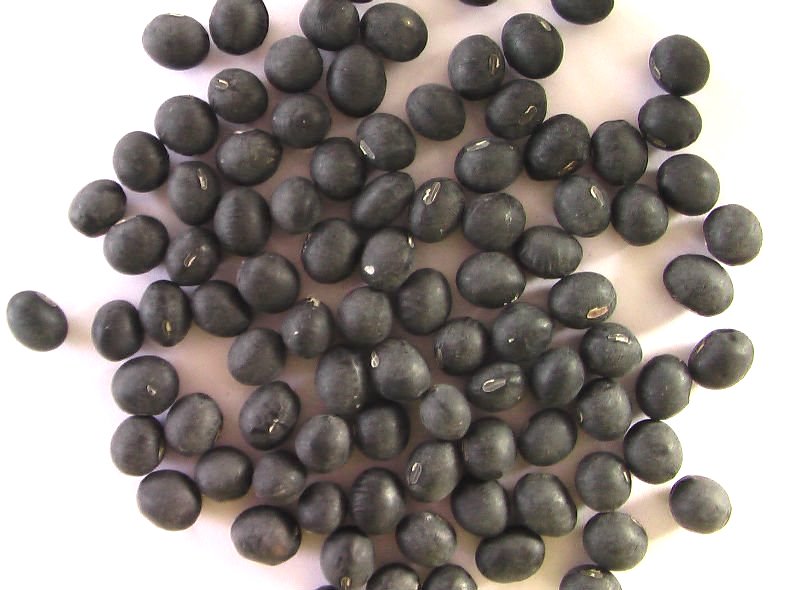
First off, soybeans are called kuromame -- 黒豆 -- here in Japan, literally 'black beans'. Because when they are left on the vine to completely mature, they dry, become very hard, and are a deep ebony color.
In actual fact, soybeans are harvested at two distinct stages.
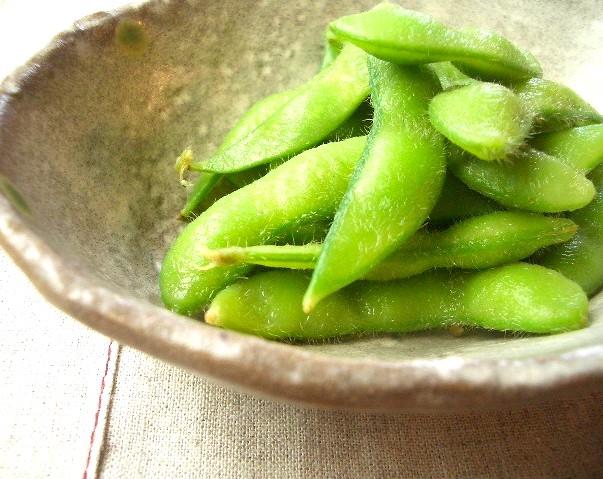
The first harvest comes about a month after the appearance of the new bean pods. These soybeans are green and fairly soft. When the pods are boiled and lightly salted, they are called edamame -- 枝豆 -- which translates to 'stem pea' or 'branch pea'. Edamame is among my favorite treats both at home and at a restaurant. It makes a great snack or an appetizer.
It's right after this first harvest that our prefecture -- a prefecture is the equivalent of what is called a 'state' in the U.S. and there are 47 prefectures in Japan, ours is named Hyogo -- has our annual Black Bean Festival.
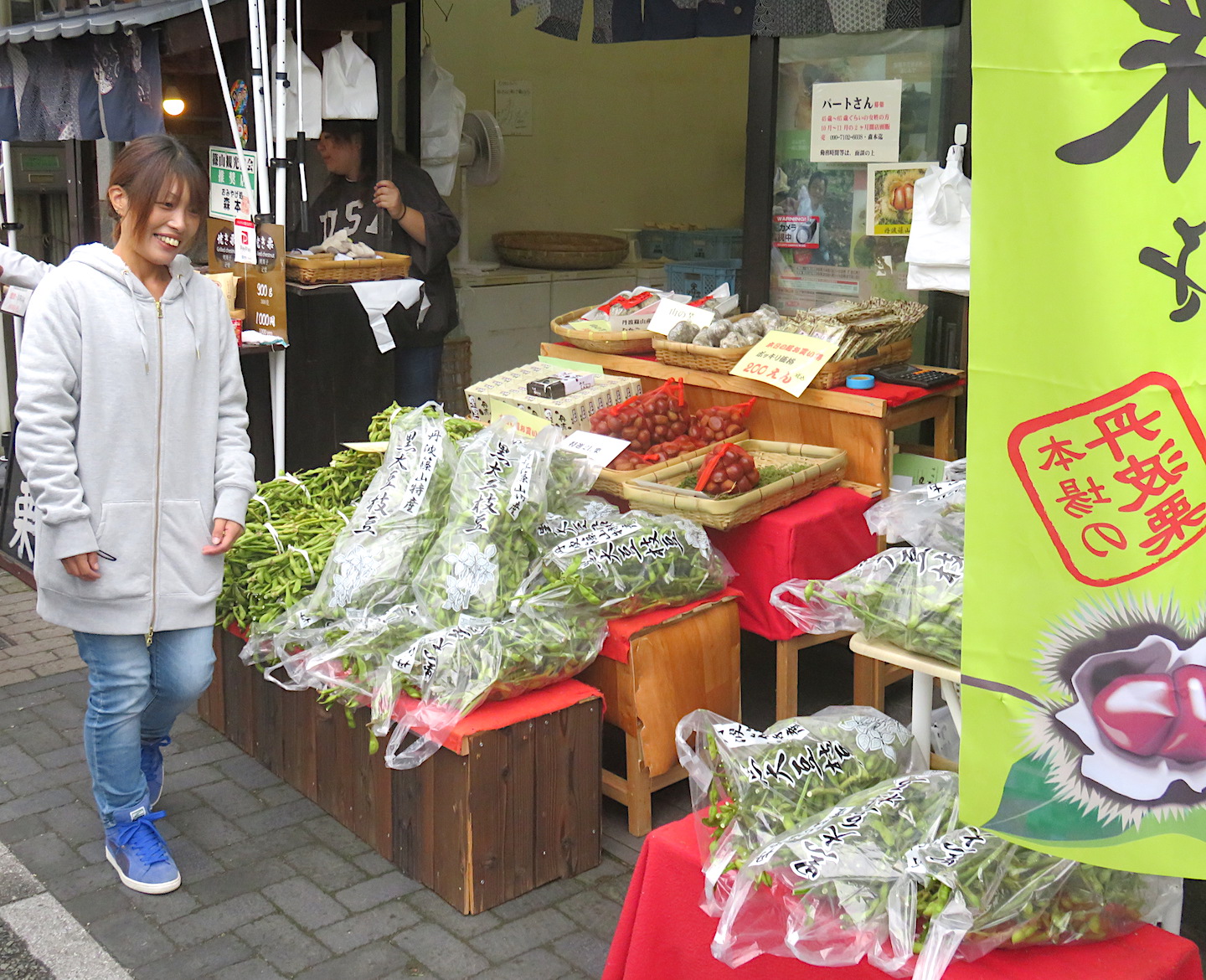
Because our beans are reputed to be among the best in Japan, people come from all over Japan to buy them, or send them out as gift packages.
This first harvest either must be eaten quickly or frozen. The green soybeans will spoil within a week of being harvested.
Which is in sharp contrast to black beans. They will have completely dried out, are hard as a rock, and will last almost as long as most rocks, as long as they're not attacked by insects or radioactive zombies. At the same time, in order to make them edible, they must be boiled for hours and hours.
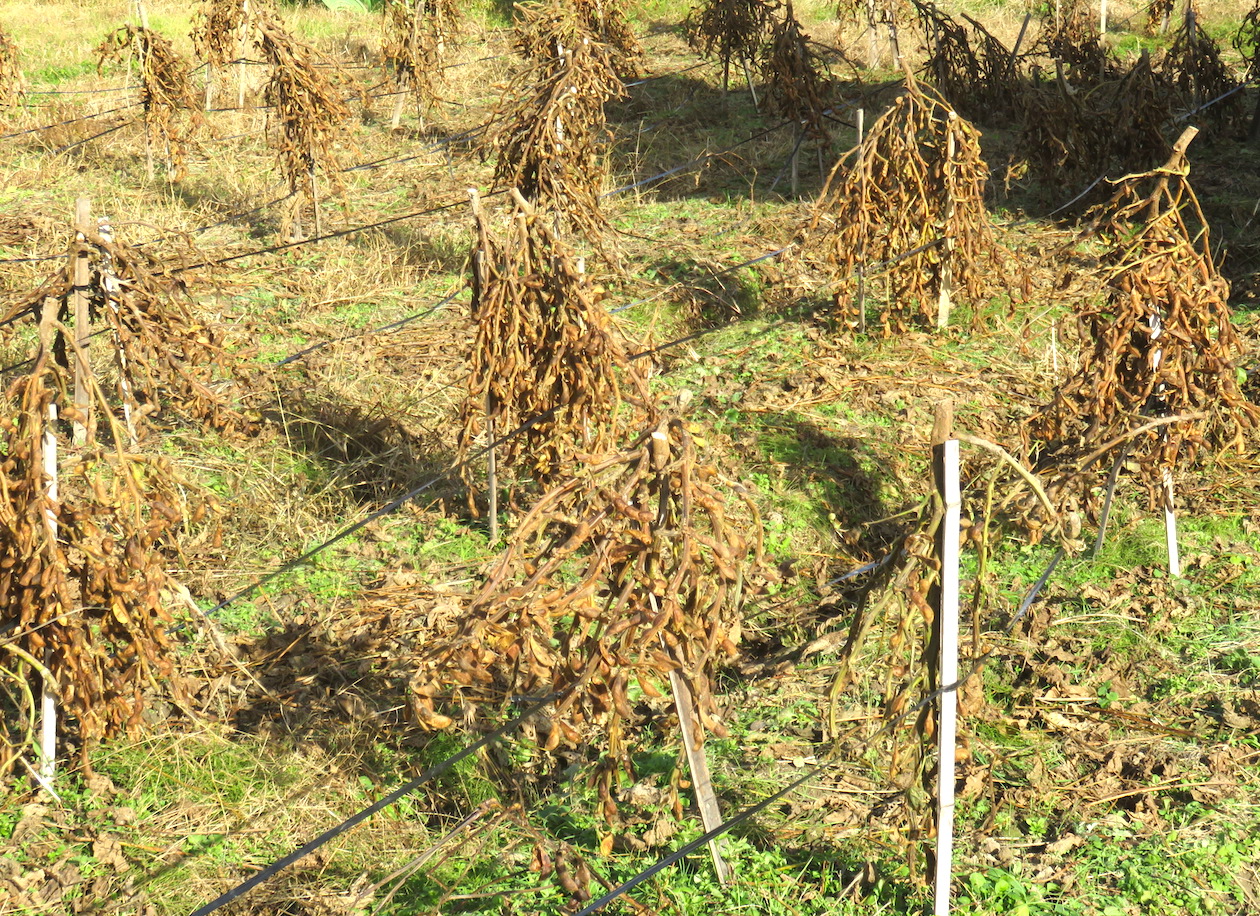
To arrive at this petrified state, black beans are left on the vine for two to three months. They are monitored and at some point their stalks are cut and they're flipped over and either left upside-down on the ground or hung up to dry out. So here we are in December and many local farmers are just getting around to collecting their black beans. Some will leave them out for another month or so.
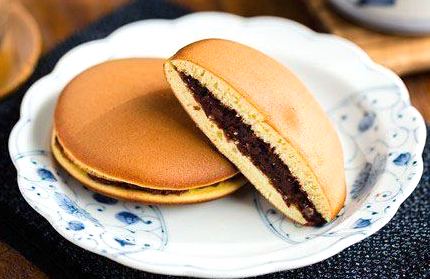
Here's an interesting side note. Black beans taste very different than the early-harvest green soybeans. They're roasted to eat as a snack, boiled and made into a healthful soup, soaked in sugar and used for various desserts. They're turned into a sweet paste and used as a filling in dessert cakes, the way we Westerners might do with custard or whip cream. Or sometimes the beans are sweetened and inserted in a cake or sweet roll the way we might do with raisins or chocolate chips. This all seemed pretty weird to me at first, but I'm getting used to it finally.
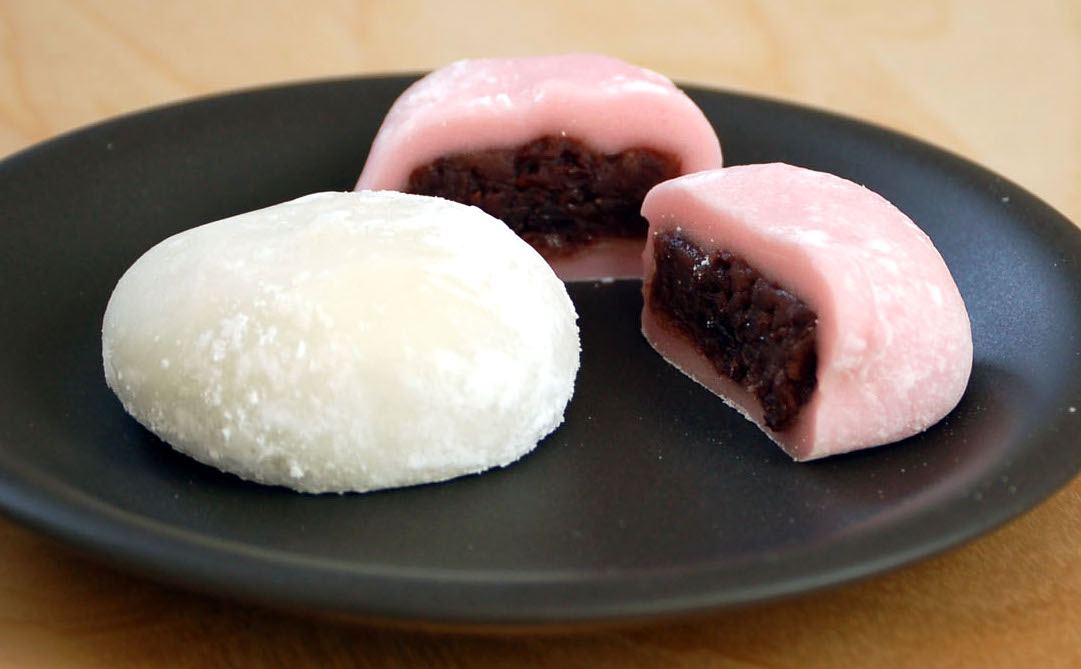
Actually, the Japanese have quite an array of splendid confections unlike anything I've ever experienced before: dumplings, starch balls, rice cakes, hakuto jelly, tokoroten, higashi, dango, dorayaki, mochi. They have great affection for honey toast, sugar toast and every imaginable variety of crepe. There are crepe shops and stands everywhere!
One thing I definitely haven't figured out yet: Japanese love their sweets, love their treats, and in general love to eat! But they're so slim. It's not like every other building is a gym or there's a raging pandemic of bulimia or anorexia. If you could bottle whatever slimming mechanism is going on in this strange land -- call it Svelte Fat Melt Magic Elixir #9 -- you'd become a billionaire overnight!
[ This originated at the author's personal website . . . https://jdrachel.com ]
Life In Japan: Harvesting Soybeans