Tuesday, February 18, 2020

Life In Japan: Shrines and Temples


Living in a completely foreign culture is sometimes the best way to get insights into your own culture, to be able to see things that are so obvious they're hiding in plain sight, thus require your looking at them from "the outside" to make them apparent.

On a lighter note, let me append to that how utterly amazed I am by my talent for coming up with genuinely stupid questions about Japan, its customs, its culture, its people.

The particular one I'm about to reveal isn't really that bad . . . maybe only 4 or 5 on the cluelessness scale.  Here it is . . .

A few years back I asked my wife Masumi -- who displays monumental patience with me, probably because she knows I'm truly curious about Japan, not inclined to make nugatory small talk -- about the architectural manifestations of "spiritual life" here.  The question:  "Why are there so many shrines and temples here in Japan, darling?"  (Okay . . . I didn't say 'darling' or 'sweetheart' or 'lamb chop' or 'tofu burger' to her.  It's just not my style.)

I don't recall her exact words.  But it went something like: "Have you ever looked around in America? There are churches everywhere you go."

My God!  She's right!

From small and modest . . .
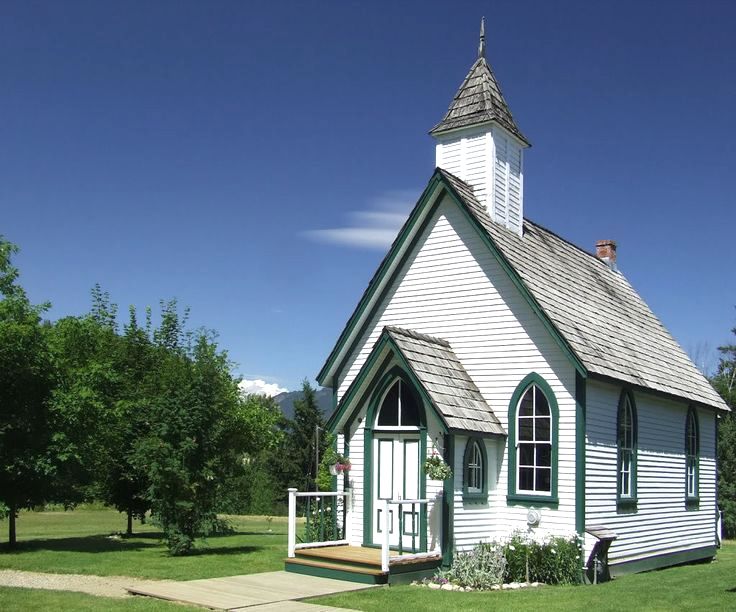


To majestic and sometimes garish . . .



There are churches everywhere!

To make things truly convoluted, while all these churches essentially promote Christian beliefs, there are so many denominations of Christianity, it's impossible to keep track of them all.  Lutheran, Baptist, Catholic, Episcopalian, Church of Christ, 7th Day Adventist, Mormon, Presbyterian, Methodist, Christian Science, on and on.

Then to make things even more disorienting to anyone hailing from the East, in addition to the Christian churches, there are Jewish temples -- also with an assortment of subtle shadings, e.g. Orthodox, Reform, Conservative, Reconstructionist, Humanistic, Hasidic, Haredi, Chabad -- and then in recent times mosques which serve as the spiritual centers for the flocks who adhere to Islam.

What a menagerie!

It makes Japan look like it's just at the early stages of ramping up its institutionalization of theology, though in point of fact, the two dominant religions here -- Buddhism and Shinto -- actually go back respectively about fifteen and thirty centuries.  Maybe Japan can't hold a candle -- or stick of incense -- in sheer numbers to America, or a country like Thailand, which has over 40,000 Buddhist temples alone, but I can speak from experience: There are still plenty of holy sites, temples and shrines here.  Even some Christian churches.

Anyone who's traveled the globe will tell you that this is the case just about everywhere there are people living in some organized fashion. 

The obvious conclusion is that humans like to build places of worship, and to varying degrees visit these places of worship to do whatever it is they do in places of worship.

Yes, there's worship.  But while some people are kowtowing to some statue, idol, entity, ghost, relic, concept, abstraction, surrogate or whatever, others are doing something else. Wishing.  Meditating.  Fantasizing.  Maybe scoping out what others are doing or wearing. What car they drove, what camel they rode in on, who they're with.  These days peaking at their smart phones.  Checking their email.  Their text messages.  Tweeting or looking at their Facebook news feed.  Discreetly taking selfies.

Though it's been quite a while since I attended Catholic services, when I was a boy I had to go to Mass six days a week, thus had more than ample time to observe the devout in their Sunday best or Saturday khakis.  And frankly, even back then I don't remember much real worshipping going on.  Yes, a small faction followed along in their prayer books, mouthing the incantations of the priest.  But the vast majority were marking time, minds elsewhere, checking their watches.  God didn't seem to mind, or notice.  No bolts of lightning ripped thought the ceiling and struck down the inattentive.  God is infinitely patient, I'm told by my Bible-toting friends.  (Tell that to the victims of Sodom and Gomorrah!)

I occasionally attend services here.  Usually at our local shrine which I can walk to in about five minutes.  A celebration typically associated with a holiday.  It's mostly a social thing.


People do pray.  We each make appeals to invisible higher powers, for the things most of us on the planet desire:  Happiness, health, wealth, good fortune, love, maybe marriage, harmonious relationships.  There's that universality again: concerns and values we all seem to share as human beings, regardless of where we have settled down to make a life.  Concerns and values expressed in places which we designate for whatever you want to call that "quiet time" we all seem to embrace for addressing something inside us that is outside of us ... greater than us ... or maybe representing the us we wish we could be.  Whether we worship this other or just like to sidle up to it now and then, it's convenient to have some special designated place -- a temple, a mount, a church, mosque, cathedral -- to set the mood and provide the proper environment.

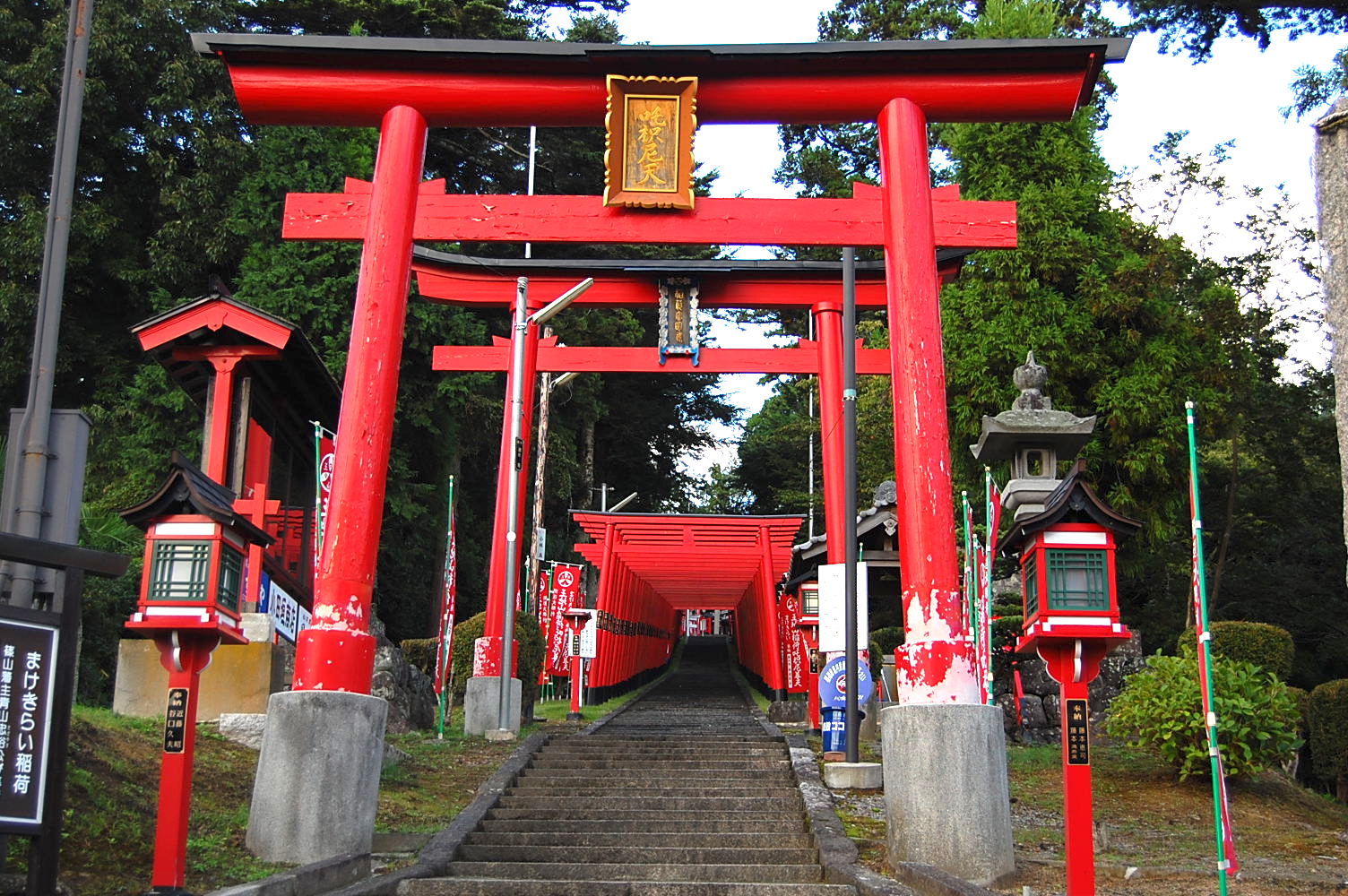
Here are just a few shrines and temples within easy bike-riding distance of my house.


Yes, houses of worship are everywhere here in Japan too, but at a much more modest level  of 'everywhere' than in the U.S., and most certainly not in the over-abundance I now can see is a defining characteristic of my homeland.

It makes me wonder . . .

What exactly are they trying to prove over there?  Are they maybe trying a little too hard?  To be blunt, it appears all that praying and worshipping isn't really working very well.

Why would I think that?

Americans like to say:  "God is on our side."

Really?  If God truly is, then He must have a very strange sense of humor.

Or a serious mean streak.


[ This originated at the author's personal website . . . https://jdrachel.com ]


Life In Japan: Shrines and Temples


Thursday, February 13, 2020

Life In Japan: Police Power


I've been spending time in Japan on and off for almost thirteen years.  I've lived here as a permanent resident now for over eight.  I can't ever recall seeing a police officer smile.

Then again, they're not paid to smile.  Apparently they're paid to serve and protect.

This story appeared as an article in this morning's newspaper.  Yes, we have it delivered everyday.  It's white paper with black printing, sometimes a few color photos, a pleasant way to keep informed, which my wife Masumi reads then we recycle.  The story . . .

Kakogawa is a town in our area.  There an 81-year-old lady's disabled husband fell off the bed where he unfortunately spends most of his life now.  She was unable to lift him and put him back into the bed.  He himself could offer no assistance.

She called her son, who lives in Himeji.  He promised to get there as soon as possible, but Himeji is well over an hour from Kakogawa.

The lady then called the police.  Hoisting people from a fall is not really their job but they said they would get there as soon as possible.

Two policemen showed up at her house in ten minutes.  They were able to get the old man back into the comfort of his bed.  She was overwhelmed with gratitude.  As they left, they reminded her to be sure and lock her door.  I'm not sure why because crime is practically non-existent here in Japan, especially in the more outlying towns like Kakogawa.

To be honest, I have no way of knowing if the police officers smiled.  But they certainly went way beyond their official line of duties to help this distressed old couple.
Protect and serve.  Be human.  Be helpful.  Be kind.


When I lived in Los Angeles for 15 years, all of the patrol cars had 'To Protect and Serve' on them.  Regardless, it was well established that you didn't talk to, call on, approach, or in any way engage the police.  If you did, you would be inviting harassment, abuse, even arrest.  That was back in the 80s and early 90s.  I'm sure I don't have to tell you what it's like now.

What happened to America?  When did public servants become the enemy?

Every nation has its pluses and minuses.  Maybe I don't look to the police here for a smile.  But I know I can count on them if there's a problem.


[ This originated at the author's personal website . . . https://jdrachel.com ]


Life In Japan: Police Power


Life In Japan: Harvesting Soybeans


It probably seems late to be writing here in December about harvesting anything.

But soybeans are an interesting crop.

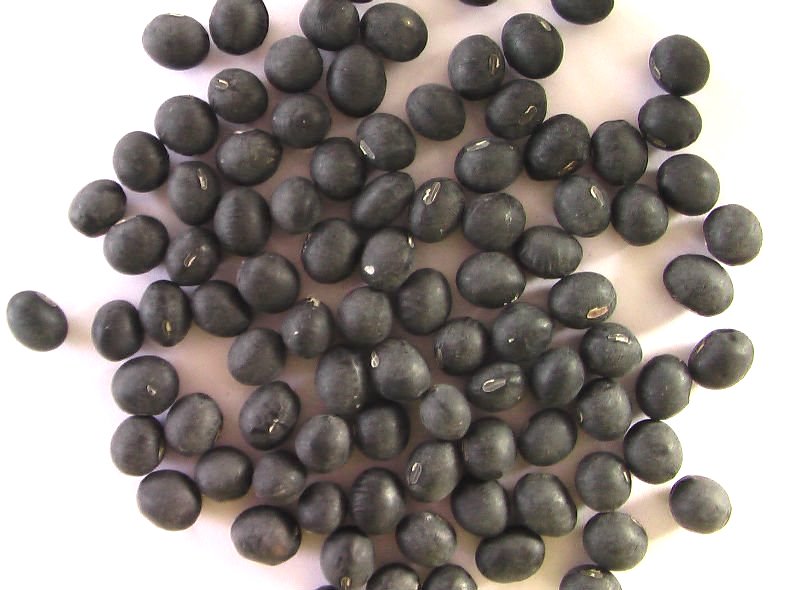
First off, soybeans are called kuromame -- 黒豆 -- here in Japan, literally 'black beans'.  Because when they are left on the vine to completely mature, they dry, become very hard, and are a deep ebony color.

In actual fact, soybeans are harvested at two distinct stages.


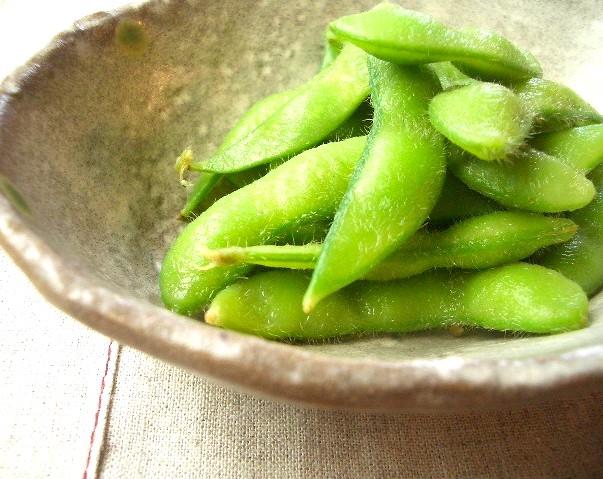
The first harvest comes about a month after the appearance of the new bean pods.  These soybeans are green and fairly soft.  When the pods are boiled and lightly salted, they are called edamame -- 枝豆 -- which translates to 'stem pea' or 'branch pea'.  Edamame is among my favorite treats both at home and at a restaurant.  It makes a great snack or an appetizer.

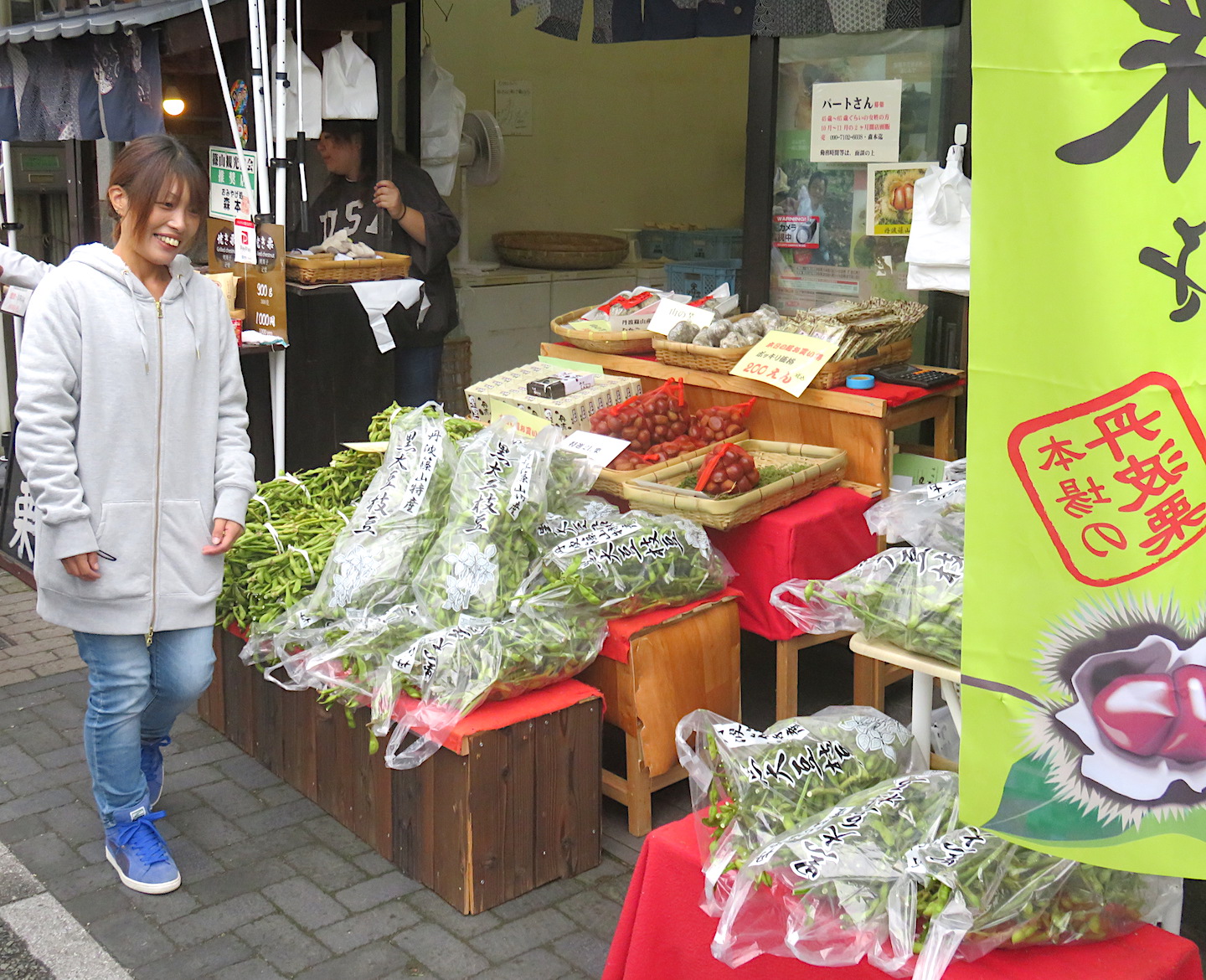
It's right after this first harvest that our prefecture -- a prefecture is the equivalent of what is called a 'state' in the U.S. and there are 47 prefectures in Japan, ours is named Hyogo -- has our annual Black Bean Festival.


Because our beans are reputed to be among the best in Japan, people come from all over Japan to buy them, or send them out as gift packages.
This first harvest either must be eaten quickly or frozen.  The green soybeans will spoil within a week of being harvested.

Which is in sharp contrast to black beans.  They will have completely dried out, are hard as a rock, and will last almost as long as most rocks, as long as they're not attacked by insects or radioactive zombies.  At the same time, in order to make them edible, they must be boiled for hours and hours.


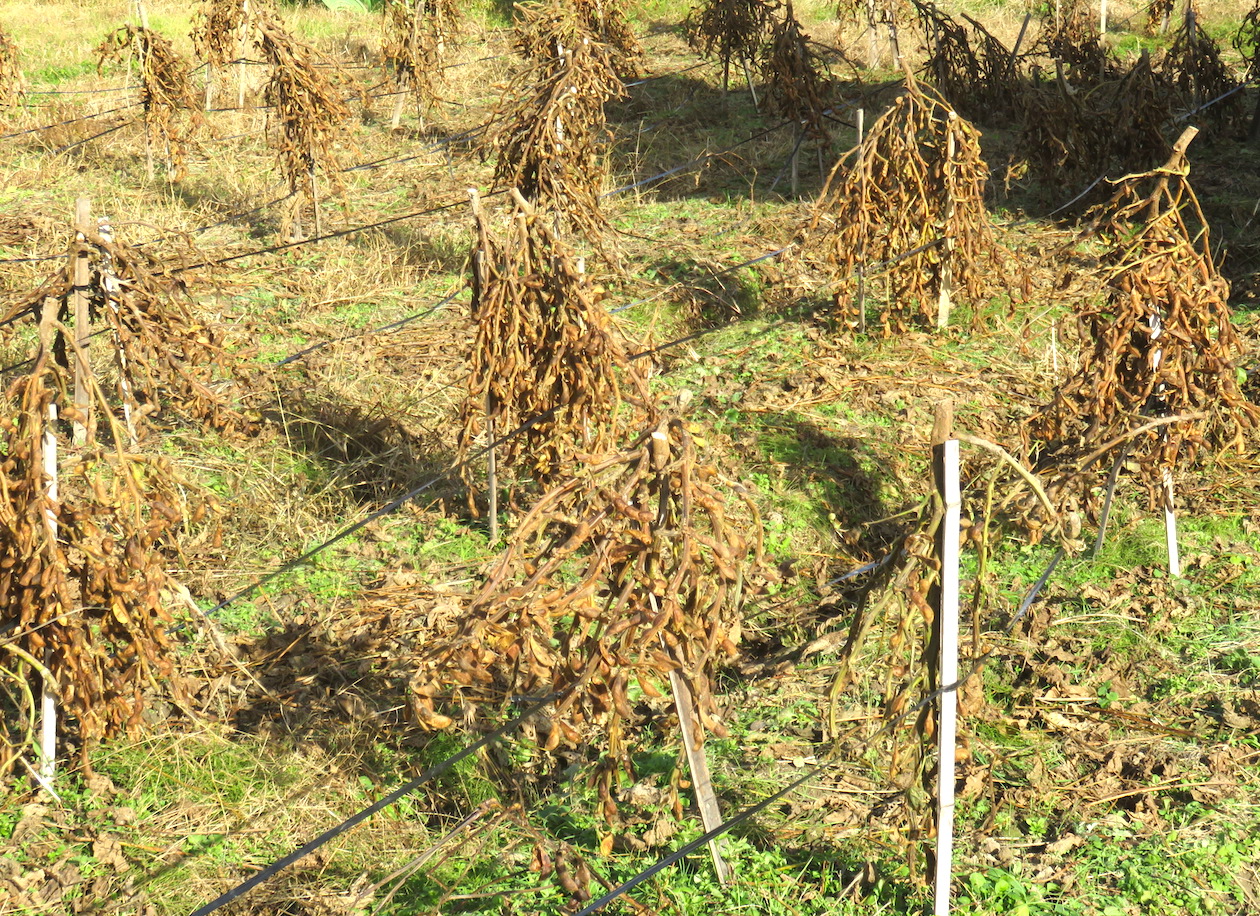
To arrive at this petrified state, black beans are left on the vine for two to three months.  They are monitored and at some point their stalks are cut and they're flipped over and either left upside-down on the ground or hung up to dry out.  So here we are in December and many local farmers are just getting around to collecting their black beans.  Some will leave them out for another month or so.


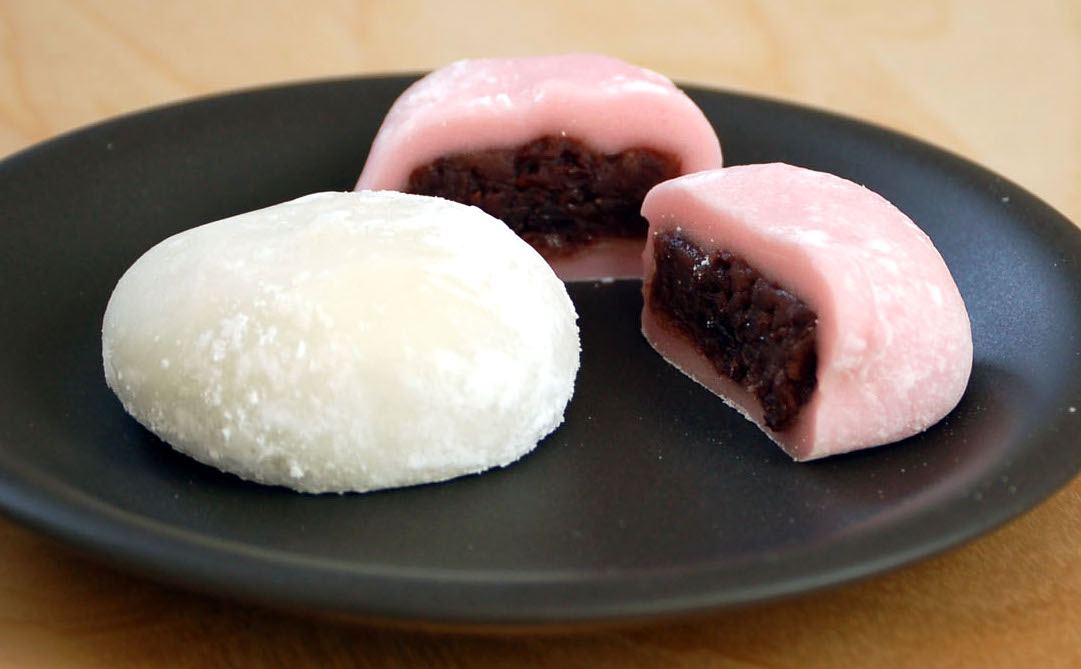
Here's an interesting side note.  Black beans taste very different than the early-harvest green soybeans.  They're roasted to eat as a snack, boiled and made into a healthful soup, soaked in sugar and used for various desserts.  They're turned into a sweet paste and used as a filling in dessert cakes, the way we Westerners might do with custard or whip cream.  Or sometimes the beans are sweetened and inserted in a cake or sweet roll the way we might do with raisins or chocolate chips.  This all seemed pretty weird to me at first, but I'm getting used to it finally.


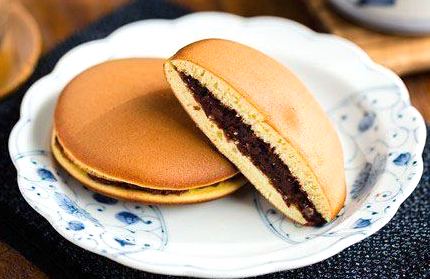
Actually, the Japanese have quite an array of splendid confections unlike anything I've ever experienced before: dumplings, starch balls, rice cakes, hakuto jelly, tokoroten, higashi, dango, dorayaki, mochi.  They have great affection for honey toast, sugar toast and every imaginable variety of crepe.  There are crepe shops and stands everywhere!

One thing I definitely haven't figured out yet:  Japanese love their sweets, love their treats, and in general love to eat!  But they're so slim.  It's not like every other building is a gym or there's a raging pandemic of bulimia or anorexia.  If you could bottle whatever slimming mechanism is going on in this strange land -- call it Svelte Fat Melt Magic Elixir #9 -- you'd become a billionaire overnight!


[ This originated at the author's personal website . . . https://jdrachel.com ]


Life In Japan: Harvesting Soybeans


Friday, January 31, 2020

Living In Japan: Lotus Flowers, a Castle, and a Moat


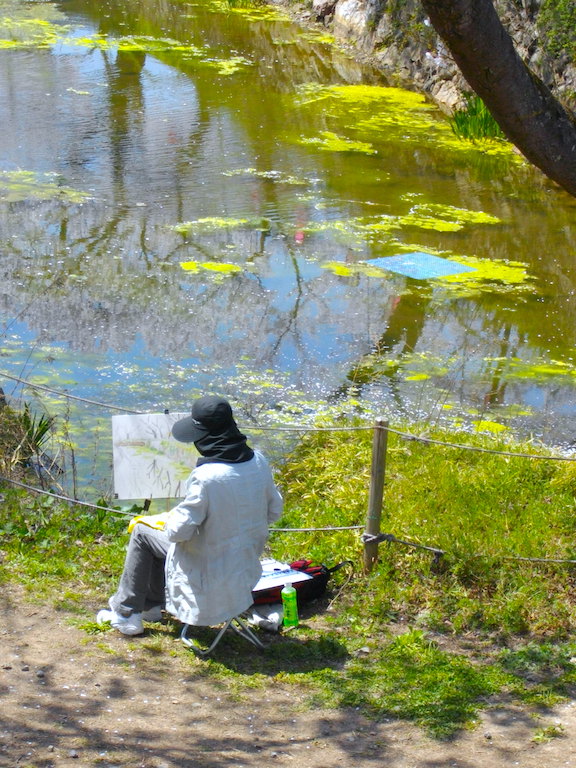
We have a 400-year-old castle in the center of town.  Well, to be fair it's really the ruins of a castle.  Even so, it's an impressive sight and many of our festivals and fairs are held in an area adjacent to the castle compound.  It's completely surrounded by cherry trees, so it's a popular spot during the Cherry Blossom festival, and whenever the weather is good, for families and friends to picnic, for people to stroll.  The castle and surrounds are also frequented by local artists.


The inside of the castle grounds has a large wooden structure which functions as a visitors center and museum, telling of the history and function of the original castle, which burned to the ground some time ago.  It was, as were all such structures in Japan from this period, made entirely of wood. 


Sasayama was not an important military outpost.  The castle served as a way-station for the visiting samurai.  But like all castles of its time, protection from hostile takeover was a basic requirement.  Its first level of fortification consisted of moats, an outer moat and an inner moat.  These obviously wouldn't be very effective against cruise missiles or Predator drones but they served the purpose at the time, erecting a formidable obstacle at the time for any aggressors, who were usually on foot.


Now the moats perform an entirely different function.  Both inner and outer moats are the home of ducks and turtles.  The turtles were a bit elusive this year.  I couldn't get any shots of them sunbathing, meditating, doing what turtles have been doing long before the castle was built -- say going back at least four million years.  Turtles are behaviorally a quite stable species, to put it mildly.
The moats definitely offer the many visitors who visit this historic site, something more interesting to experience and enjoy than the stone wall fortification -- the second line of defense -- which forms the base the entire perimeter of the castle grounds.


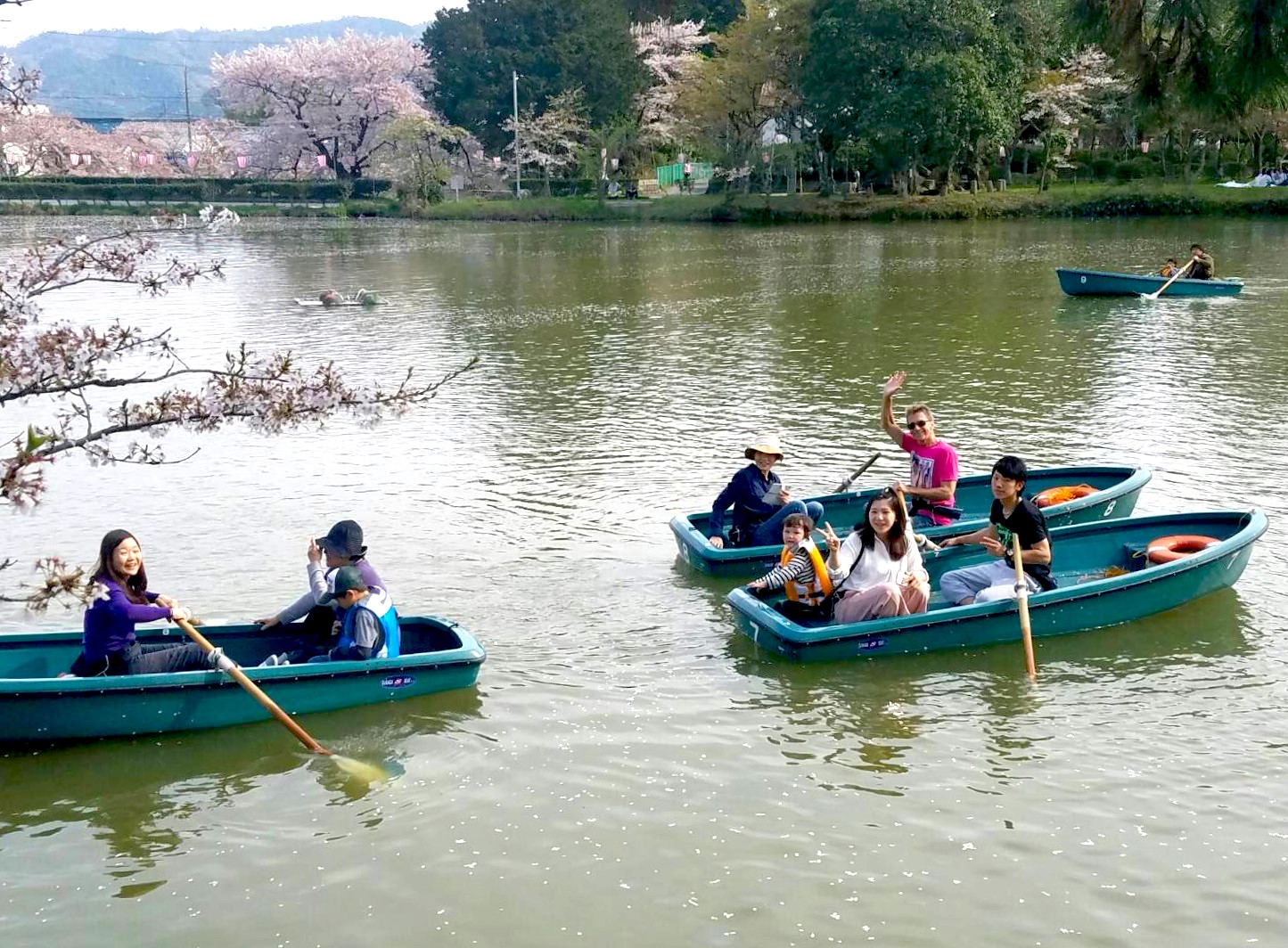
One of the outer moats also has a very special function.  In spring and summer, the city rents row boats.  No jet skis, no submarines, no hover craft.  Only row boats.  That pretty much fits the pace here.


This year the experience of the picnickers, revelers, stroller, artists, and ducks and turtles, was dramatically heightened.  A local high school connecting their students with nature and community service had them plant lotus flowers.  The effect was breathtaking.


[ This originally appeared at the author's personal website . . . https://jdrachel.com ]


Living In Japan: Lotus Flowers, a Castle, and a Moat


Life In Japan: Planting Rice

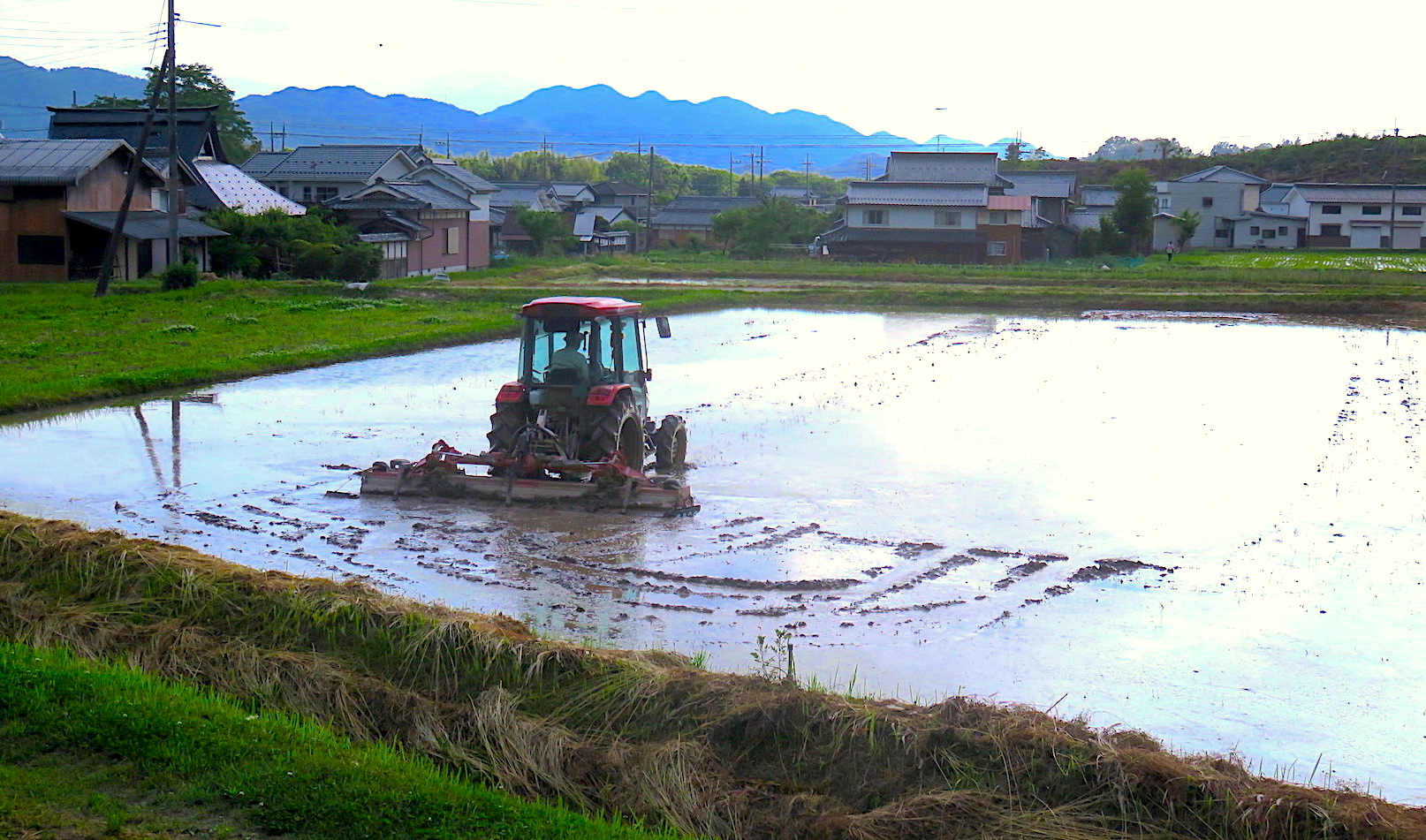
                                          Photo taken from the front door of my house.

Preparing the soil to plant rice is a wet, muddy, mucky mess.  l know because I've watched them prepare the fields directly in front of my house several years on and off.


They flood the area, let is soak for several days, then drive a tractor through the mud -- I'm amazed they don't get stuck -- giving it a hardy blend and a stir, because apparently having the amiable consistency of quicksand makes it more of an inviting and nurturing environs for the soon-to-be-planted rice seedlings.

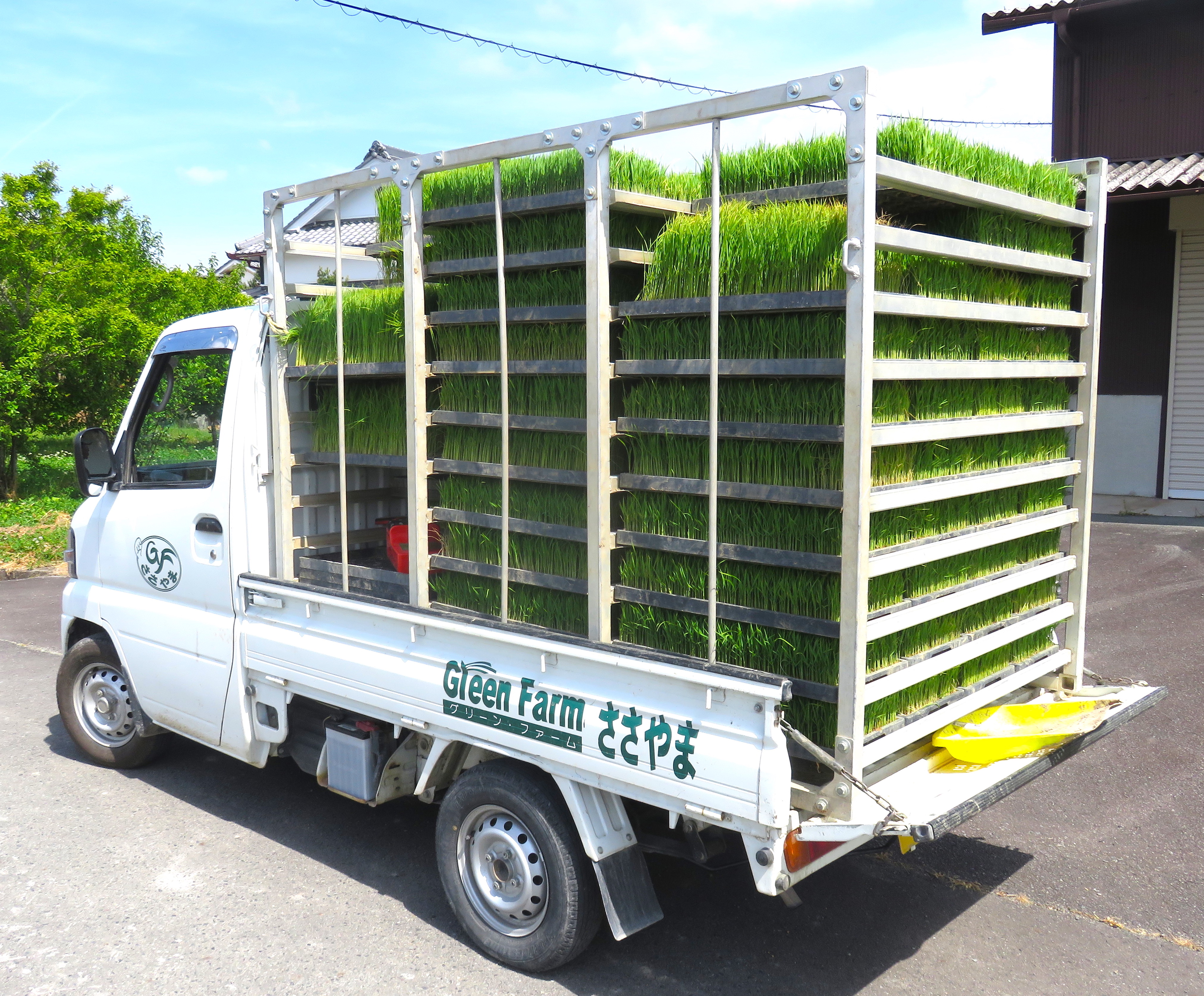
The seedlings are grown in green houses by the millions, sold to the farmers, then the real fun begins.


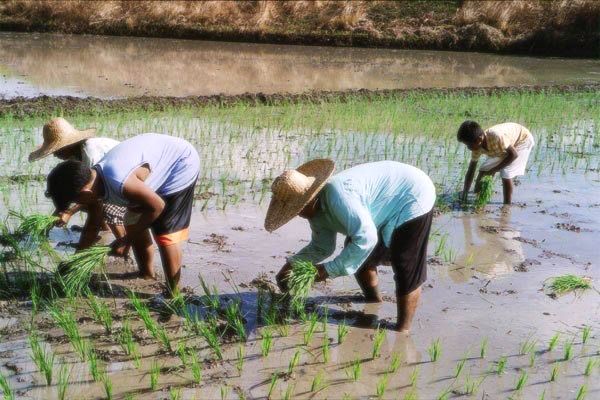
Now there may have been a time -- at least a hundred years ago -- when Japanese farmers planted them by hand.  This tedious method is still practiced in parts of China and nations of Southeast Asia.  I've seen it myself in my travels.

But leave it to the Japanese to come up with a machine that does in minutes what used to take a week.  No need for artificial intelligence or quantum computing here.  Just good basic mechanical design does the job.


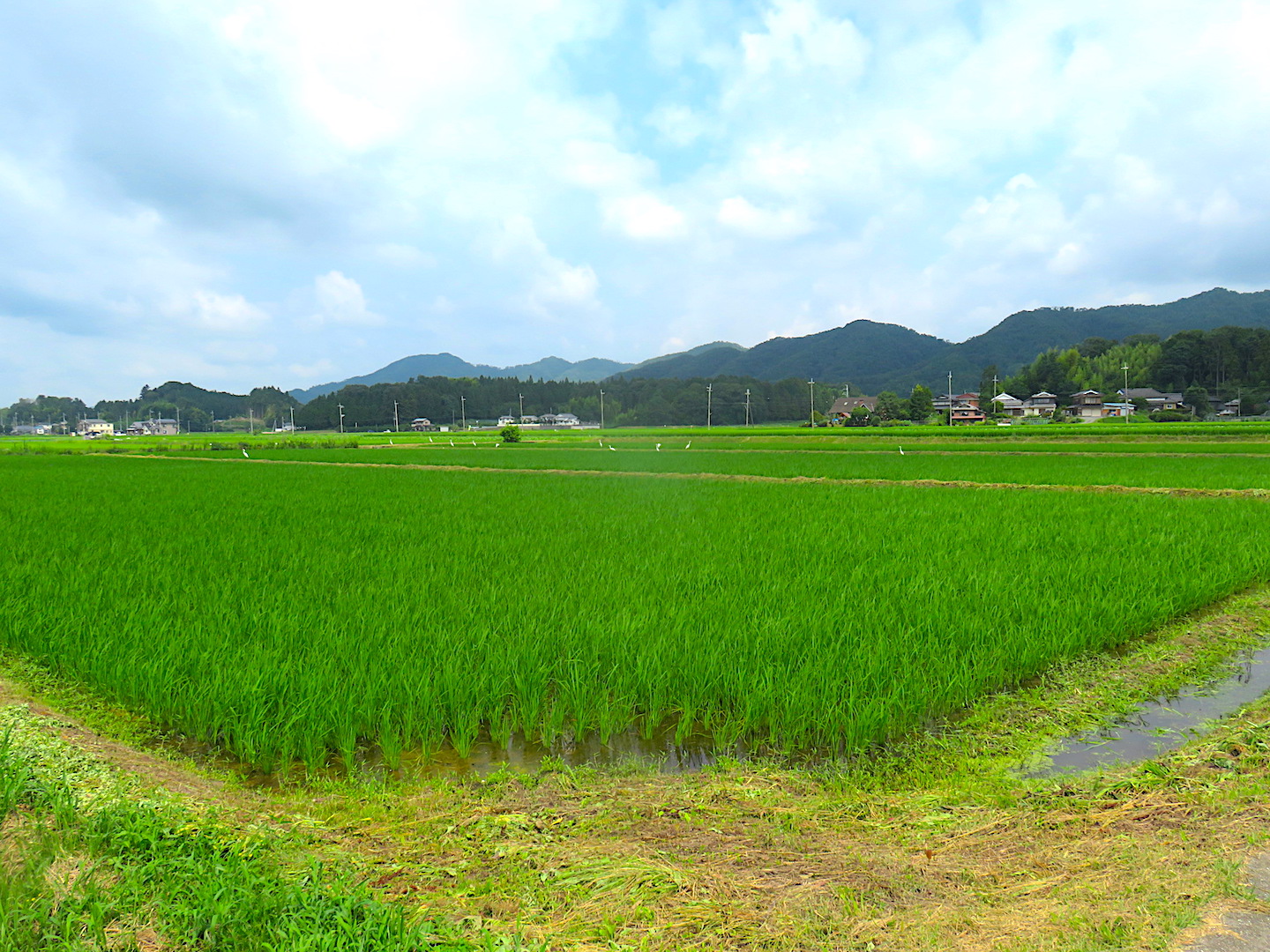
It's astonishing how quickly the rice grows.  Soon our entire valley is an intense, vibrant green, going from almost incandescent lime to the rich, deep emerald of a mature plant.  Maybe I have too much time on my hands and too little excitement, but when I ride my bike through the fields of viridescent rice, I'm struck by the incredible beauty of it all.


And to think.  This entire process starts with men -- who as I noted in another article -- never outgrew the desire to play in the mud.


[ This originated at the author's personal website . . . https://jdrachel.com ]


Life In Japan: Planting Rice


Life In Japan: Vegetable Gardens


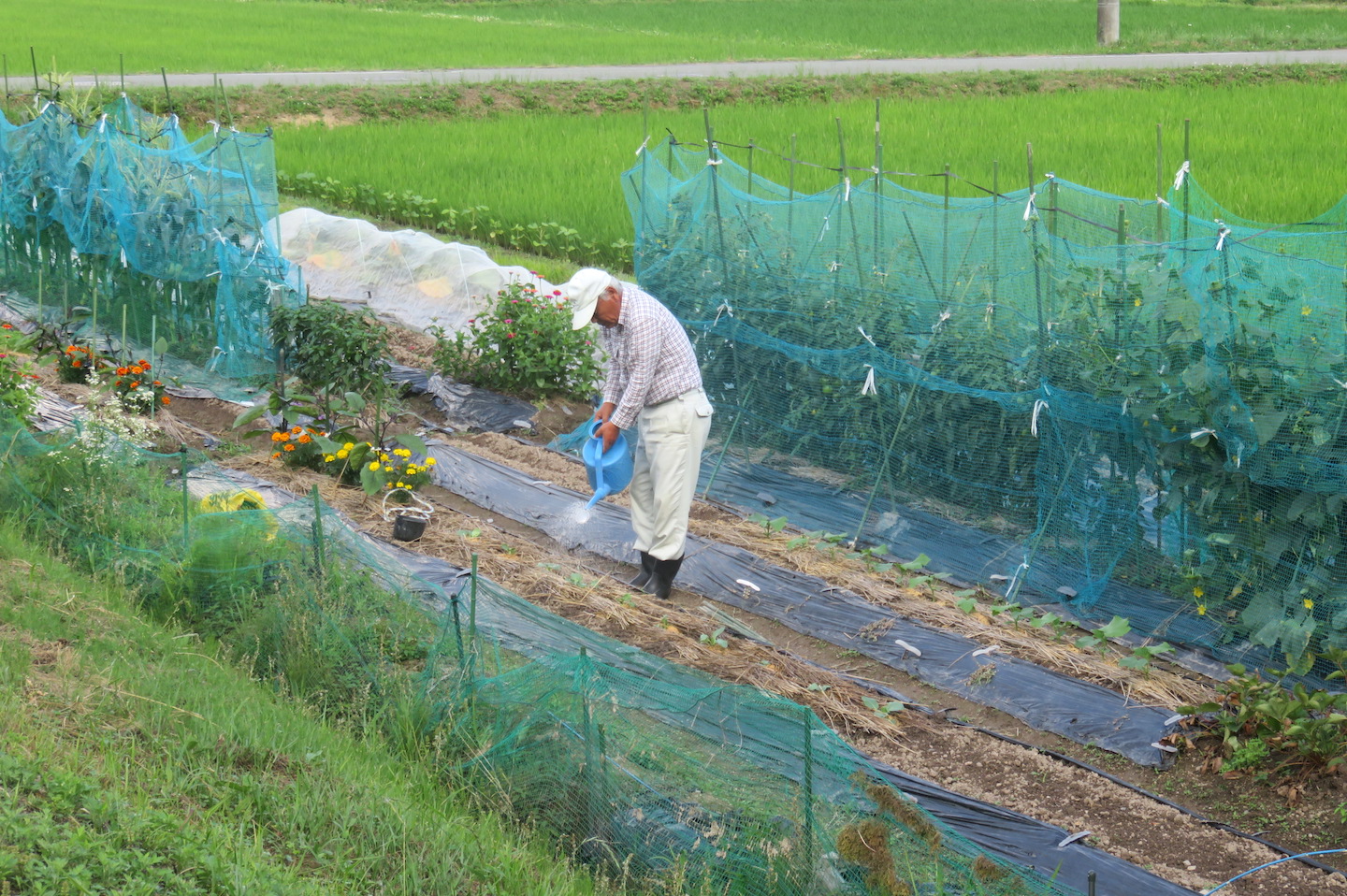
Gardens are the thing here in Japan, especially vegetable gardens.

Growing food for personal consumption is such a part of Japanese culture, even in Tokyo, by population the largest city in the world, there are plot-share farms, rooftop gardens, and at least one major company that devotes a significant amount of its office floor space to growing an impressive variety of fruits and vegetables.

It's commonly known that land use by the Japanese is extremely efficient, meticulous, ingenious.  Everything I've experienced here over 12 years, substantiates that.  Even out here in the sticks where I live, hardly under the pressures associated with the population density of cities, every patch of terra firma is treated as a valuable asset.

It's entirely obvious why this is the case.  Compare Japan with the United States.
While both are highly-industrialized, complex and extremely modern societies, with very mobile populations, large cities, vast swaths of land allocated to industrial-service sectors and for housing millions of people, Japan comes up short from the get go.  The total area of the U.S. is 3,531,905 square miles (9,147,592 square km).  Japan is only 145,925 square miles (377,944  square km). Meaning it's just over 4% of the size of the U.S. -- Japan is about the size of Montana, just one of the 50 U.S. states. 

Yes, Japan has fewer people.  The U.S. now has just over 330 million people, Japan just under 127 million.  It's still vastly disproportionate: Japan's 38% of the U.S. population must use land that is at best about 4% the size of America, a continental landmass which stretches sea to shining sea, embracing vast undeveloped, underdeveloped and natural tracts in between.  Visit states like Wyoming, Nevada, Utah, Montana, Arizona, New Mexico, North and South Dakota, Texas, and you'll see what I mean.

Moreover, a considerable amount of land in Japan consists of mountainous terrain.  Japan was formed in ancient times by volcanoes.  While this offers beautiful landscapes and good trekking, the short of it is that there's much less usable land in Japan.  Much less!  Only 12% of the land in Japan is arable, compared to 20% for the U.S.

So Japanese put every square meter they do have to good use, and make it work for them. 
Add to that the nutritional benefits of eating food that's not produced by factory farming, but grown in small amounts without machinery and a minimum -- sometimes none at all -- of chemicals.  The result is in Japan, vegetable gardens are ubiquitous.  Here in my own community of Sasayama, it seems like everyone has a vegetable garden.


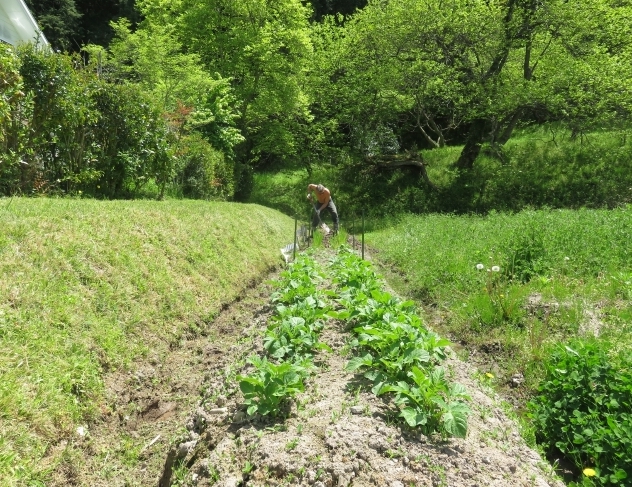
Even yours truly gets in on the action from time to time.  As a city-boy born and raised in the industrial heartland of Detroit, Michigan I have to confess to a bit of awe when a seed or two actually sprouts, grows, and I end up with the fruits and vegetables of my personal labor on the dinner table.  Here is the naked American getting things ready to plant some seedlings.


That was last season, working our vegetable row, a single strip my wife and I rent from a neighbor.  We ended up with tomatoes, bell peppers, zucchini, eggplant, onions, garlic, a couple melons which got stolen by some local monkeys, then late in the season soybeans.

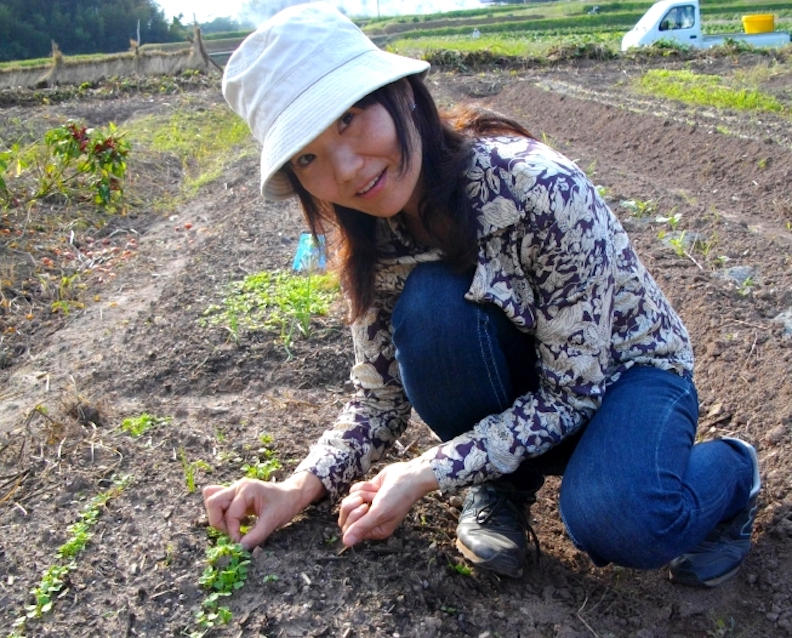
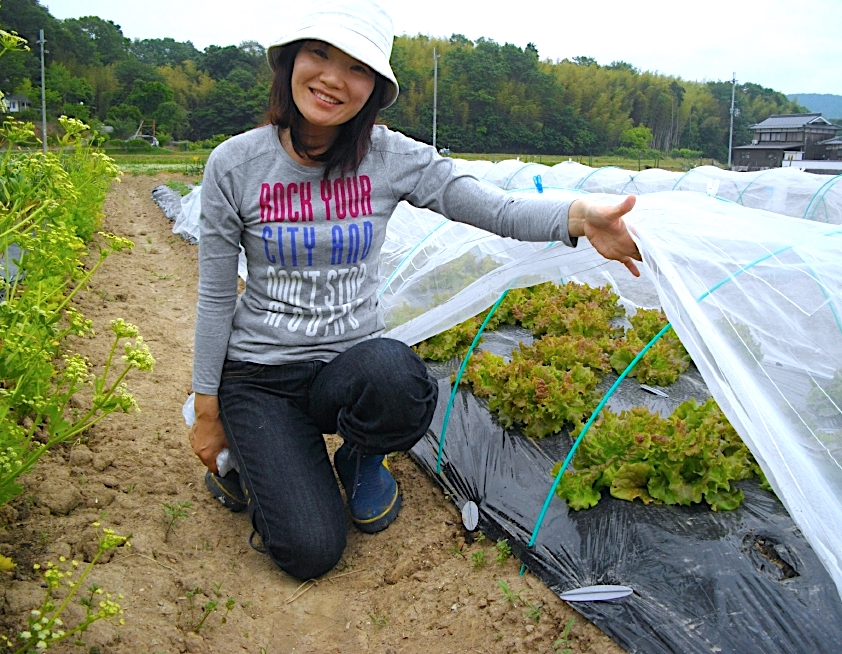
Credit where it's due:  Masumi actually knows what she's doing.  I pretty much defer to her on anything agricultural.  On the other hand, she doesn't know how to rebuild a Ford V-8 engine.  We each have our specialties.


[ This originated at the author's personal website . . . https://jdrachel.com ]


Life In Japan: Vegetable Gardens


Tuesday, January 28, 2020

Life In Japan: Washlets


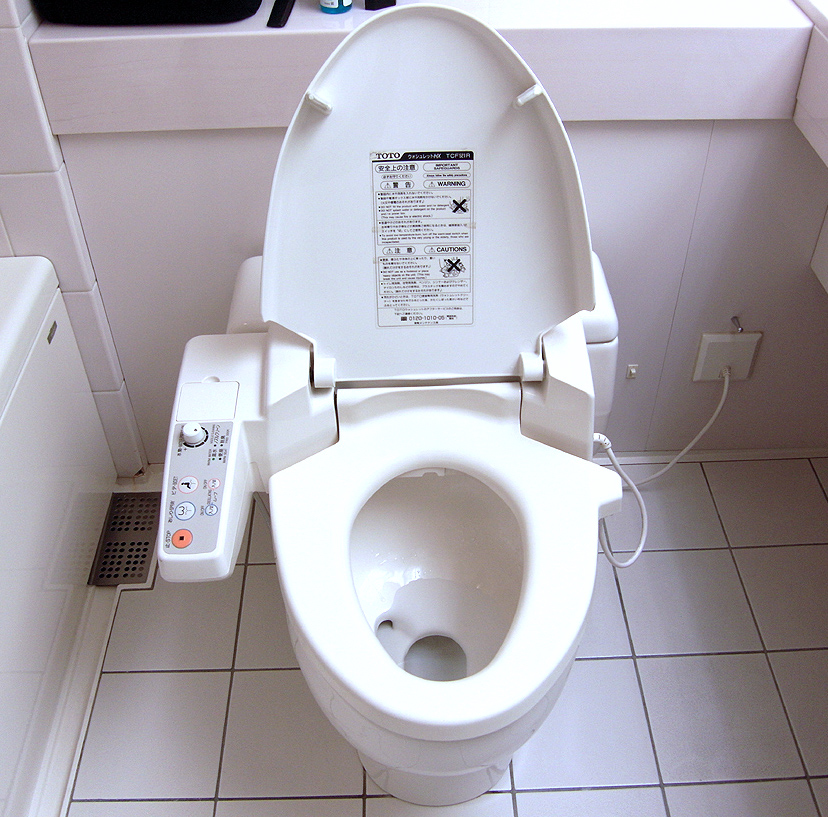
The first time I ever saw a washlet, to be entirely honest about it, I was genuinely afraid to sit down.  To my unschooled Western eyes, it looked like an ejection seat in a fighter jet.  Seeing it plugged into the wall most definitely made me pause.  I'm not exactly excited about having 100 volts of electricity anywhere near the 2nd most important cluster of organs on my body -- the ones responsible for both a great deal of pleasure, as well as relief from the build up of sludge and stinky fluids.


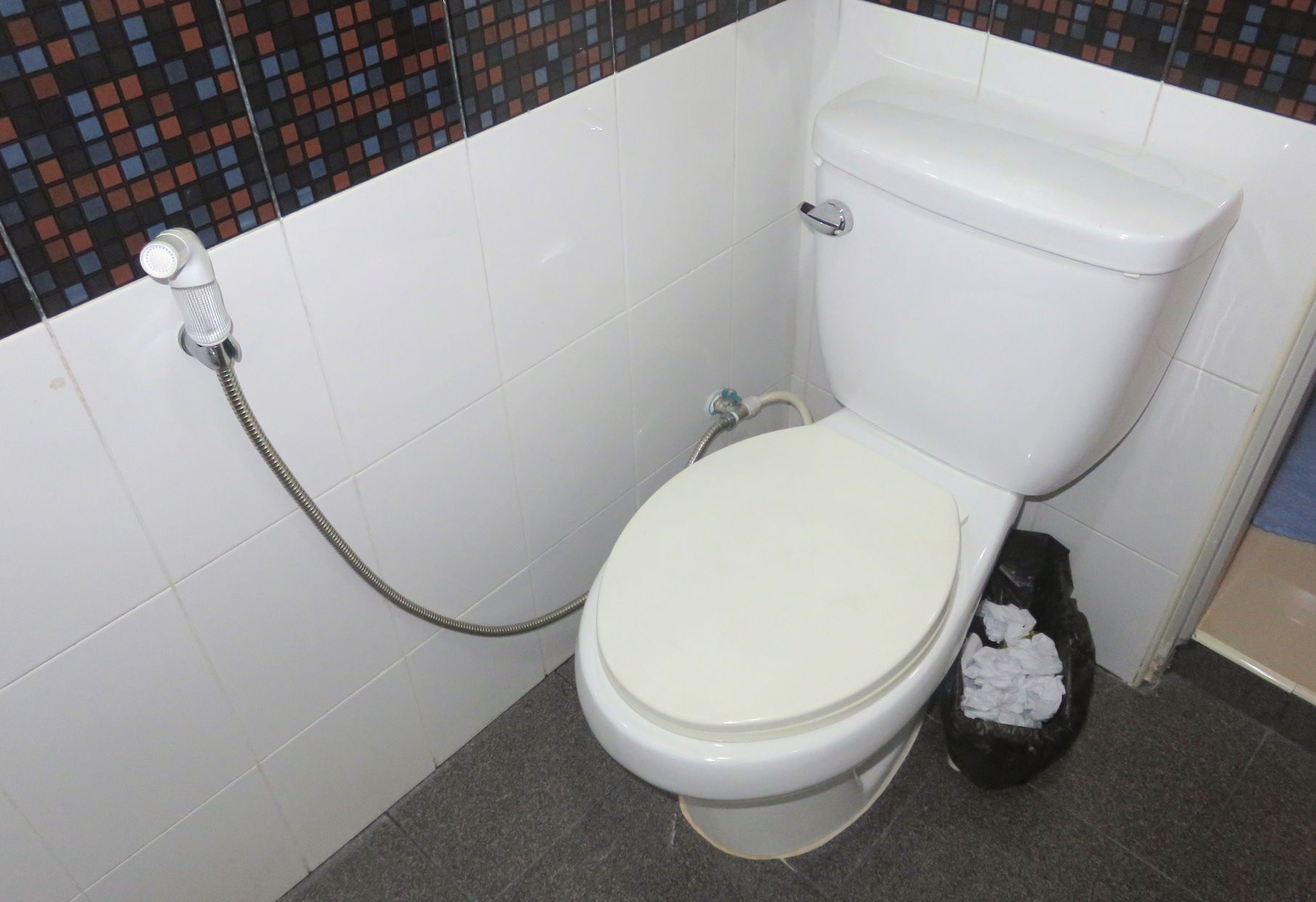
The washlet is the technological evolution of the "bum gun", a simple, standard approach to hygiene for the private parts, still commonly seen in Southeast Asia -- Cambodia, Laos, Thailand, Vietnam, Myanmar.

When I first saw a bum gun, I thought "how primitive!"  The real truth?  My disdain itself was an embarrassingly primitive, insular, knee-jerk reaction.  What do I mean by that?

Is this the best we can do? Seriously?

I imagine an advanced race of extraterrestrials returning from our beloved planet Earth, reporting to the Council of Wise Elders on their own beloved space rock: "Well, they're an interesting but strange bunch there on Earth.  In some ways, they're quite advanced.  But in others quite puzzling to say the least.  They actually cut down trees to wipe their asses."

Yes, we cut down trees, process them, turn them into pulp, then toilet paper.  You know what happens next.

The bum gun does the job much more admirably and is much more eco-friendly, at least in terms of maintaining forest cover on our ravaged planet.

Just spray and wash.  Pat with a towel.  Get on with your life.  Frankly a thorough wash is much more sanitary than . . . you know how it goes.


Back to the washlet, a Japanese innovation I put on a par with the invention of the steam engine or artificial intelligence.

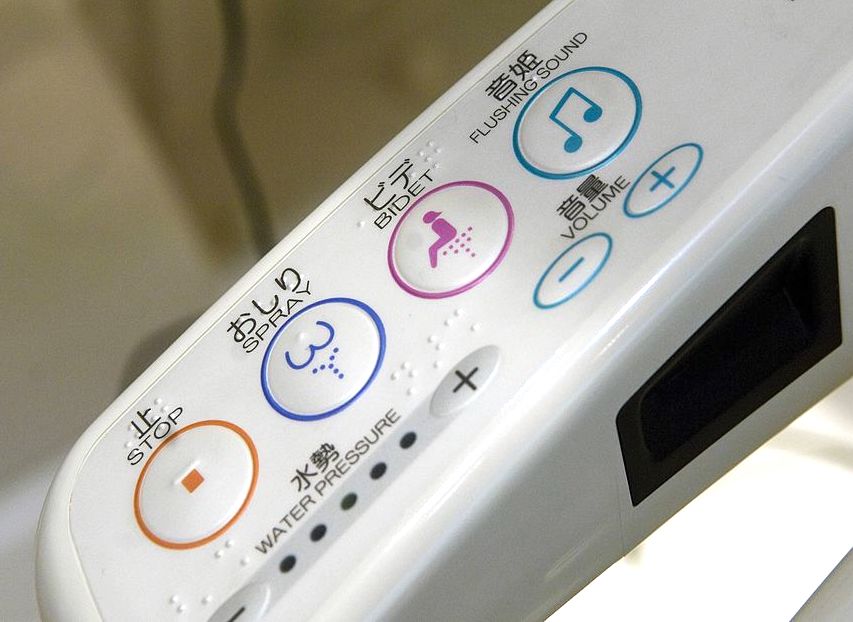
Washlets come in varying degrees of sophistication, accessorized to accommodate a wide range of tastes.  But they all perform the same purpose.  They wash you.  Men in back. Women back and front.
You can adjust the temperature of the stream, the intensity of the stream.  It can be just a direct stream or in "massage mode" a wiggling stream.


Some washlets greet you!  Some play music.  Some put the toilet seat up and down for you.
This borders on somewhat excessive for my particularly pedestrian world view and spartan expectations.  But there's one feature pretty standard on washlets that is truly admirable.  THE TOILET SEATS ARE HEATED!  And you can adjust the temperature on them too.

Why haven't these caught on in Western countries?  Has someone tried to market them to the wiping/smearing/stinky-butted round-eyed barbarians of Europe, the U.S., Australia, Canada, and the rest of the non-Japanese world . . . and gone bankrupt?  I don't get it.

Yes, I admire much about Japan.  And every country has its pluses and minuses.  You can examine and study, compare and argue, go back and forth, weighing the pros and cons. 

Then some one thing comes along which is so phenomenal, so HUGE and AMAZING, so entirely off the charts, so beyond anything else on the table, it's no longer a contest.

The simple unavoidable truth is . . .

Washlets put this country in a class by itself! 


[ This originated at the author's personal website . . . https://jdrachel.com ]


Life In Japan: Washlets