Showing posts with label Tondo Matsuri. Show all posts

Saturday, January 22, 2022

Life In Japan: Rice Cakes

Rice cakes are edible hockey pucks which very popular here in Japan. Not surprisingly they are made out of rice.

Actually, the hockey puck allusion is misleading. Only the biggest rice cakes are that bulky. More commonly, a rice cake will comfortably fit in the palm of a hand.
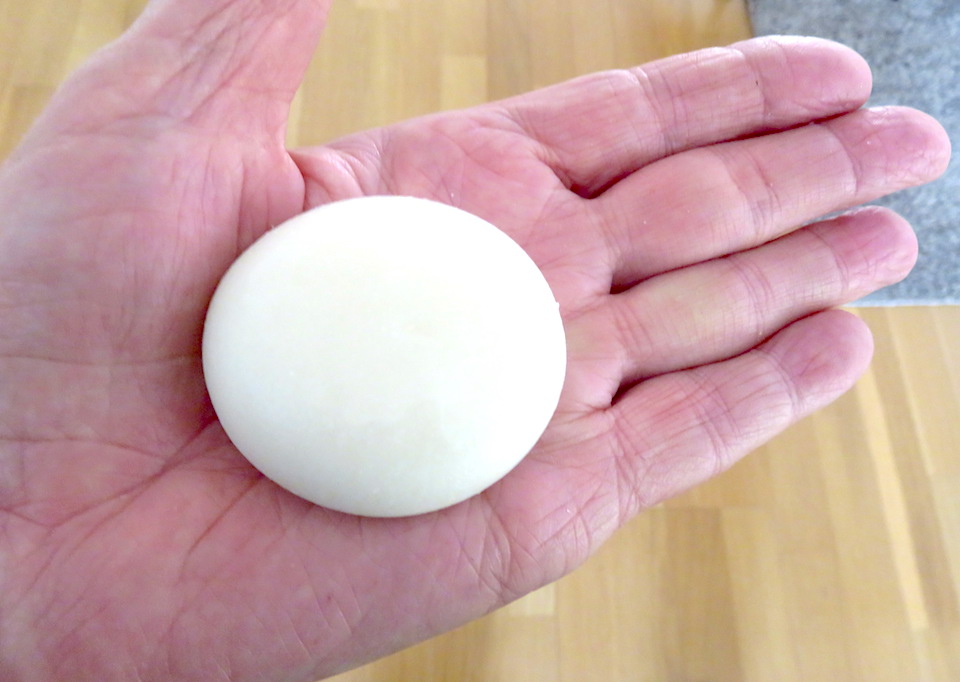
A typical plain rice cake.

As to the similarity in taste, I wouldn’t know. While I’ve been hit in the face with a hockey puck, I’ve never tried to eat one.

One similarity is how hard a rice cake is . . . at least until it’s cooked. When a rice cake is subjected to heat, it basically melts, or swells up and melts.
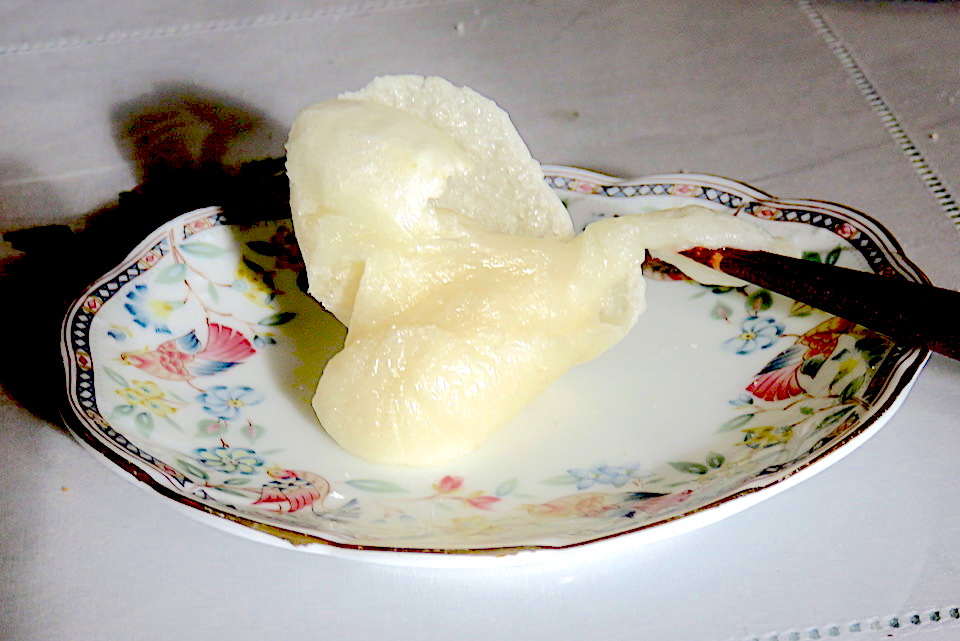
Gooey and chewy!

Here is the same rice cake, after I baked it in an electric oven for about ten minutes. However a rice cake is cooked, it ends up GOOEY. Really gooey! Making it extremely fun to eat! My lovely wife, who just happens to be a genius in the kitchen, makes sweet red bean soup. The highlight is dropping in two rice cakes, which melt, thus every bite is covered in the delicious sweet sticky soup. It’s indescribably delicious!

It’s also impossible to describe the flavor of a rice cake by itself. Because basically there is none. If the outside is scorched by being in a fire or subjected to a blowtorch, the crust tastes like carbon or charcoal or incinerated newspaper. The true joy of eating a rice cake comes from what it’s immersed in, and just as importantly, it’s unique texture. Refer back to ‘gooey’.

Mind you, this whole article is about the simple, plain, white rice cake. I believe in starting with the basics. But the fact is there are more varieties of rice cakes than there are donuts at Krispy Kreme. Every color in the spectrum, too many flavors and variations to mention.
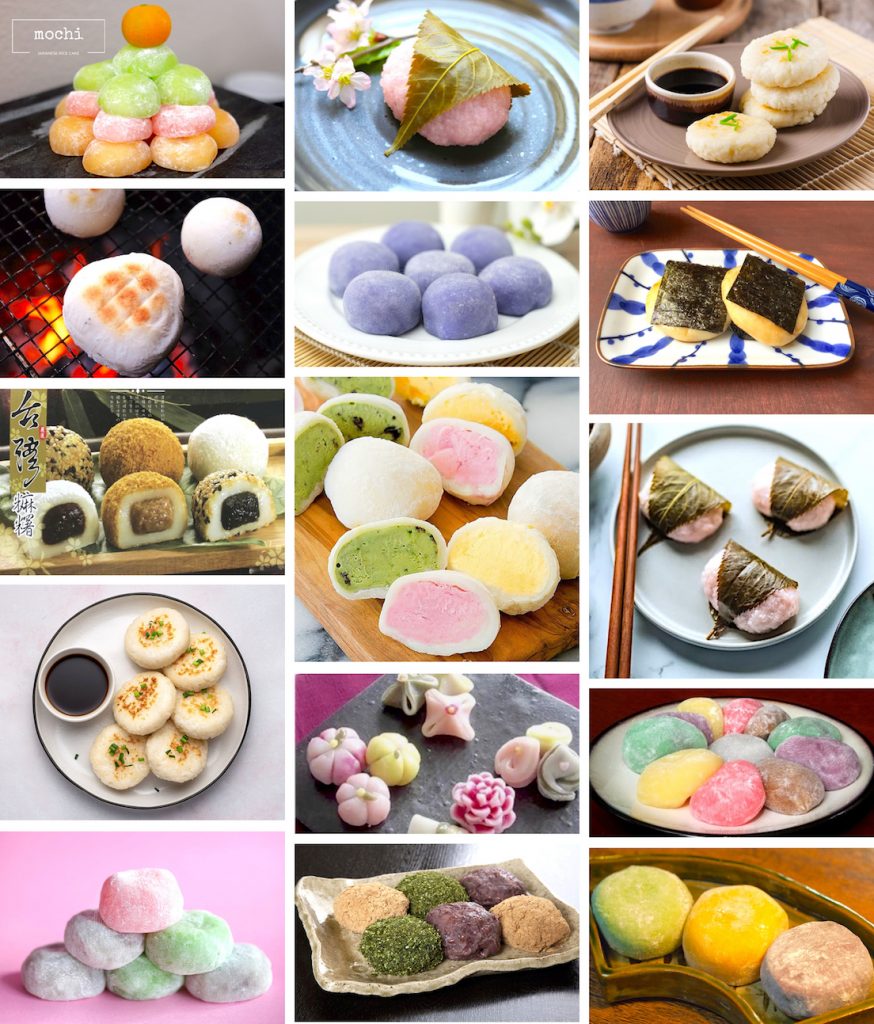
Before I forget, as it says in the top left panel above, the Japanese call a rice cake ‘mochi’ or ‘o-mochi’ — おもち. (‘O’ is often added as a prefix to show respect or reverence.)

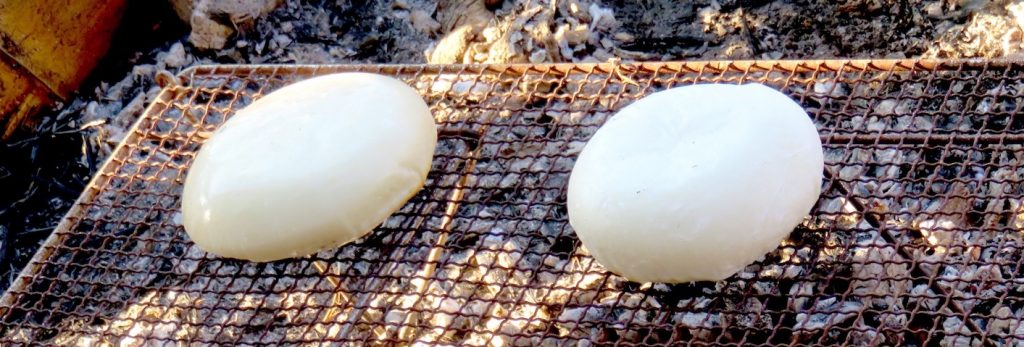
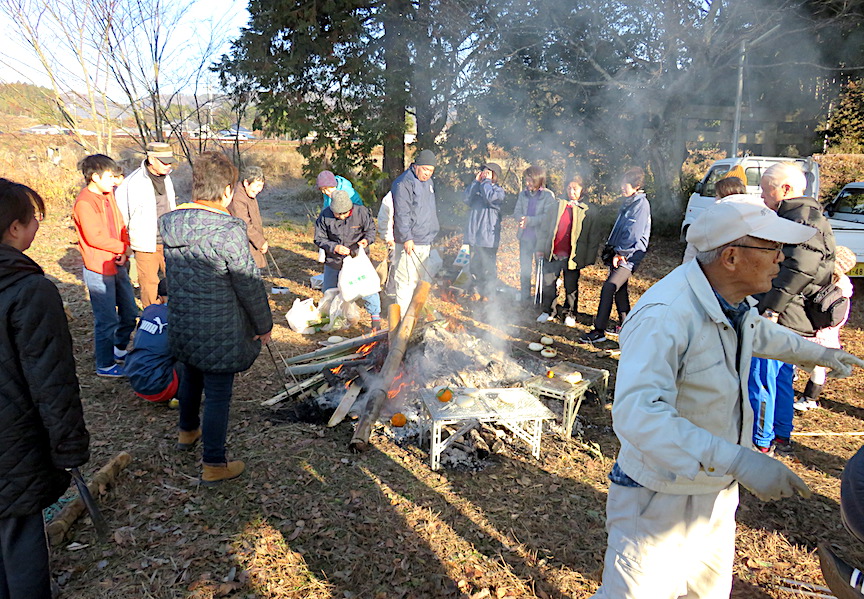
Now at the risk of repeating myself, I’ll repeat myself by referencing an annual celebration in which the rice cake plays a feature role. Tondo Matsuri! Yes, it’s a wonderful occasion, saying farewell to the old year, welcoming the new. As I said a year ago, it’s a very laid-back affair. Here it’s just neighbors stamping their feet to stay warm, enjoying the warmth of a fire, lots of friendly smiles, and of course, gooey and chewy 餅 to launch us into 2022.

[ This originated at the author's personal website . . . https://jdrachel.com ]


Life In Japan: Rice Cakes | John Rachel


Sunday, January 17, 2021

Life In Japan: Tondo Matsuri | John Rachel


Tondo Matsuri festivals are held all over Japan, the second weekend of the new year, at all levels. There are major festivals with thousands of people, as well as more modest local celebrations. The central feature of the Tondo Matsuri is a bonfire, much appreciated since it tends to be cold in January, thanks mostly to the sub-zero winds that blow our way from Siberia.

This year Tondo Matsuri was held on the same day as Coming of Age, a national holiday celebrating every person turning 20, a welcome to full adulthood. Thus most people had the day off from work, making attendance convenient. Of course, the coronavirus “crisis” is cautioning people across the globe against large gatherings, sneezing on one another, licking door handles and one another’s eating utensils, and the most notorious disease spreader of them all, French kissing.


My village of Noma here in Tambasasayama wasn’t daunted by the threat of viruses. We got together, and granted, our bonfire didn’t leap 20-30 meters into the sky, as is common practice the major festival sites, but we still managed some truly heartfelt camaraderie and warmed ourselves against the winter chill in splendid fashion. Our bonfire was next to 
Benten Shrine where many similar get-togethers take place.

Once the Tondo bonfire is going, there are two key rituals.

One is burning the decorations, talismans, rakes, arrows, amulets, wreaths, blessings, and other votive goods, from the previous year, to be replaced over the new year with new ones. Many of these are items bought from local shrines and temples to bring good fortune and health. They are tossed onto the fire. After they are incinerated, each family collects some of the ashes, which are then taken back home. These ashes are called shimenawa — しめ縄 — and are considered sources of good luck and positive developments for the coming year.

Very light paper banners, with sayings and wishes written in beautiful calligraphy, are thrown onto the fire as well. They instantly burst into flames, then are caught in the updraft of the bonfire, soaring heavenward as they turn to ash. This takes the messages they contain up up up, and makes them part of the invisible energy of the universe. While this probably is more just silly superstition than a serious spiritual exercise, it reminds me of the prayer wheels of Tibetan Buddhism, which in a parallel fashion send into the divine ether the thousands of prayers the wheels contain on scrolls hand-written by the monks, usually pleas for peace and harmony in the world.


Once the Tondo bonfire is going, there are two key rituals.

One is burning the decorations, talismans, rakes, arrows, amulets, wreaths, blessings, and other votive goods, from the previous year, to be replaced over the new year with new ones. Many of these are items bought from local shrines and temples to bring good fortune and health. They are tossed onto the fire. After they are incinerated, each family collects some of the ashes, which are then taken back home. These ashes are called shimenawa — しめ縄 — and are considered sources of good luck and positive developments for the coming year.

Very light paper banners, with sayings and wishes written in beautiful calligraphy, are thrown onto the fire as well. They instantly burst into flames, then are caught in the updraft of the bonfire, soaring heavenward as they turn to ash. This takes the messages they contain up up up, and makes them part of the invisible energy of the universe. While this probably is more just silly superstition than a serious spiritual exercise, it reminds me of the prayer wheels of Tibetan Buddhism, which in a parallel fashion send into the divine ether the thousands of prayers the wheels contain on scrolls hand-written by the monks, usually pleas for peace and harmony in the world.


The second ritual is cooking mochi — 餅 — by placing it near the fire. Mochi are rice cakes and there’s absolutely no equivalent to them in the West. When grilled, they are thick and gooey with a crispy exterior, and incredibly delicious, especially with sweet red bean soup or soy sauce.


Yes, the food is very unique here, for sure.

So . . . that was our Tondo Matsuri. There were no fireworks, parades, or 21-gun salutes. The Blue Angels aerial acrobatic team didn’t fly over. No sign of a marching band or baton twirling cheerleaders.

But we still had an outstanding time!

Did I mention? . . . I love Japan!

[ This originated at the author's personal website . . . https://jdrachel.com ]


Life In Japan: Tondo Matsuri | John Rachel