Monday, March 23, 2020

Life In Japan: Bamboo

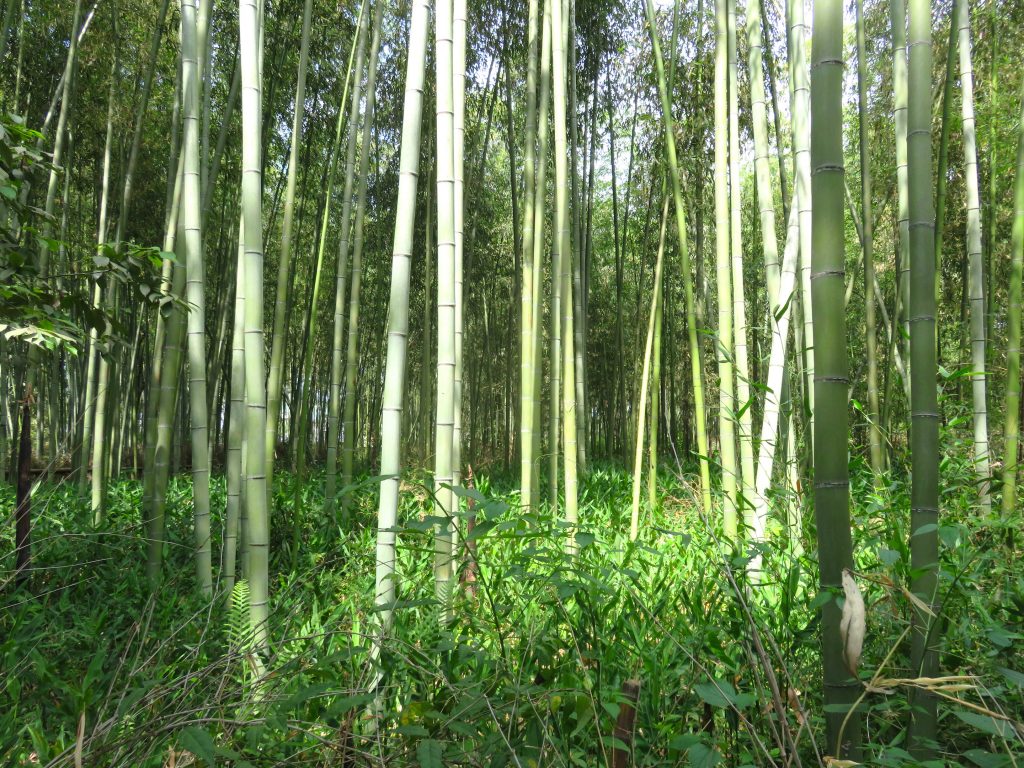
Bamboo Grove in Arashiyama, Kyoto, Japan.
Bamboo is amazing!
But I can’t say I thought very much about it before I moved to Japan.
Of course, everyone in America is familiar with bamboo. Maybe as a pencil holder or a curtain rod to add a “jungle flavor” to the den. But it’s a rare novelty.
I had a friend in Portland, Oregon who was experiencing a modest but annoying bamboo attack on her garden. Even under the less than ideal growing conditions for bamboo which is typical of Portland, the plant is so hardy it can spread and take over quickly. I dug up a good portion of her lawn before finding the underground shoots aggressively wreaking havoc with her flower beds and on their way to tipping over her house.
Okay . . . that was a bit of an exaggeration. The house wouldn’t have budged but it was still in the realm of possibility that the bamboo would have punched holes in the foundation of her home and started rearranging the stuff in her basement.
Think I’m kidding? Look at this photo taken right here in my home town, which by the way has almost identical weather to Portland, Oregon.
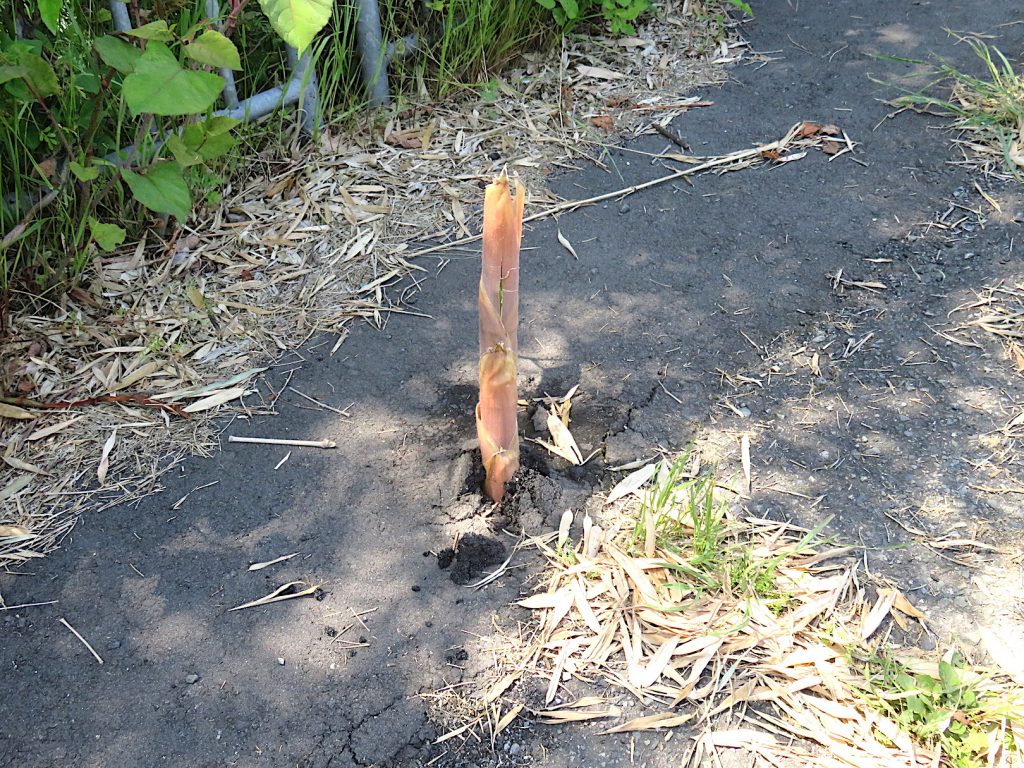
Yes, it’s exactly as it looks. Coming right up through the asphalt!
So what’s my point?
First, bamboo is one tough cookie. Both because of that and because it truly flourishes in the warmer climates across stretches of much of Asia, it is ubiquitous both in nature and in the anthropocentric world we’ve convened from the rocks and dust of Planet Earth.
Unbeknownst to me in the dark days of my bambooless ignorance, this rather simple tree has a whole host of applications. Anyone from Asia needs to just bear with me here. This is all so obvious to you. But I’m embarrassed to have to admit, before I started traveling this hemisphere, I had no clue about bamboo.
Let me expand on this with an anecdote: Every spring I see neighbors wandering around the woods directly behind our house. Sometime within a few days, several of THESE will show up on my porch, the folks in my community being the wonderfully generous people that they are . . .
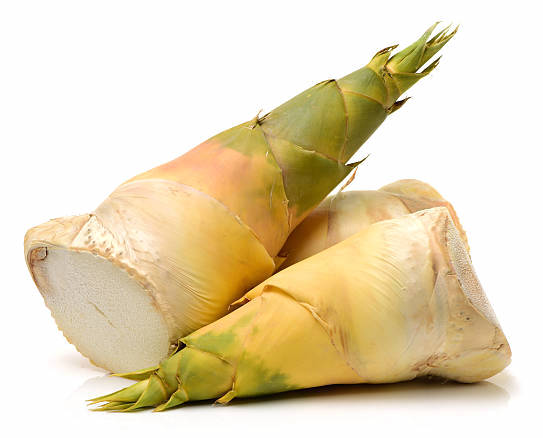
. . . which can be cooked, for example, to look like this . . .
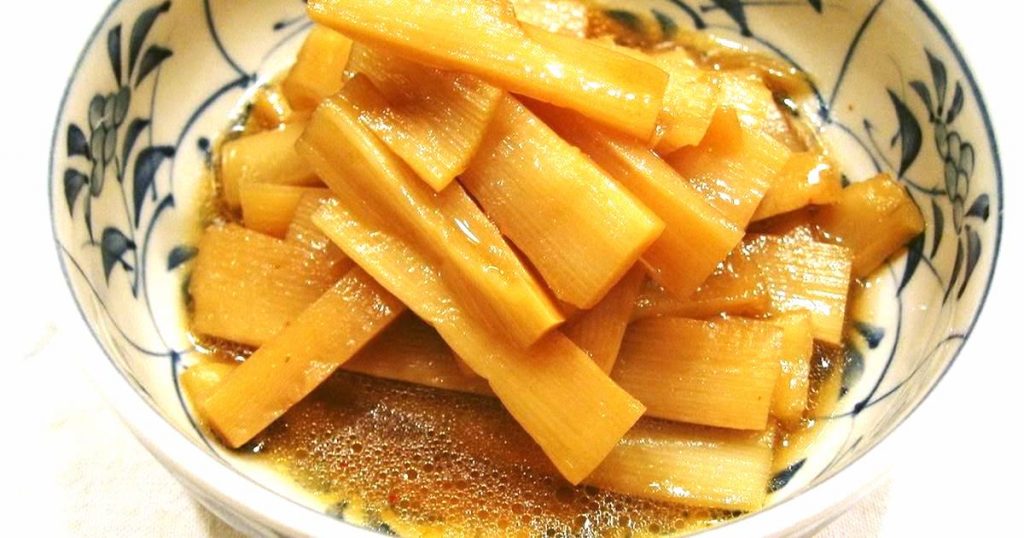
I can’t say I’m thrilled with the taste of bamboo shoots. But they’re extremely healthy and more importantly, demonstrate that if for some apocalyptic reason the supermarkets are shuttered, there are actually things growing all around us which will keep us alive!
Let’s summarize our progress. Bamboo. Pencil holders. Curtain rods. Punching holes in the pavement. Healthy cuisine.
It’s time to cut to the chase, before this article becomes unnecessarily tedious, if it hasn’t already. I’ll resort to bullet points. Among the many further uses of bamboo . . .
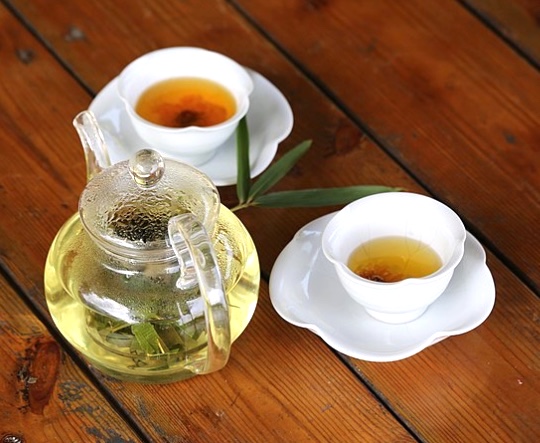
•  In a number of countries, bamboo is used to make tea.
•  Bamboo can be used to make fabric (sort of).
•  Bamboo is used in the kitchen for cooking.
•  Bamboo is used to make eating utensils.
•  Bamboo is so sturdy it’s used to make bars for windows.
•  Panda bears love bamboo! They thrive on it. Bamboo is 99% of their diet!

•  Bamboo makes a superb fishing pole.
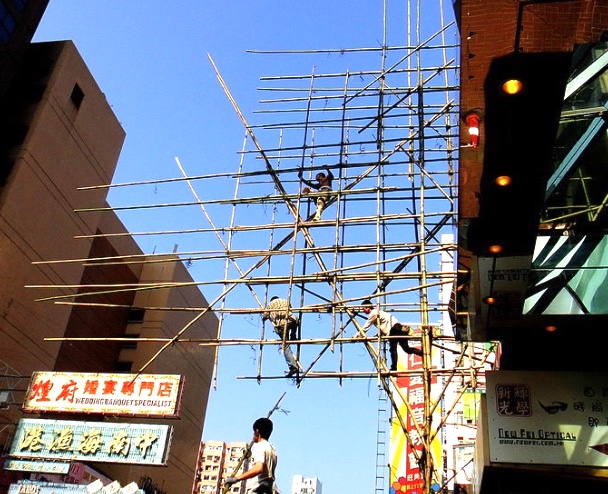
•  Bamboo is used many places as a construction material, e.g. fences, scaffolding.
• Musical instruments are fashioned out of bamboo, usually flutes.
•  Bamboo can be used in self-defense, unless the assailant is heavily-armed.
•  Bamboo is used at sea as a raft, and in the Philippines as a breeding cage for mussels.
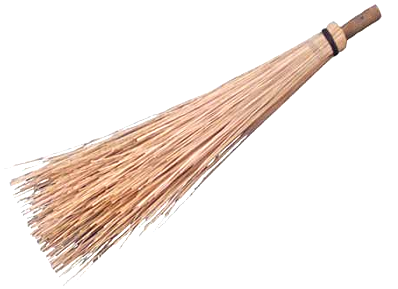
•  It makes a handy broom!
•  It can be a really big straw.
•  A walking stick.
•  A baton for conducting an orchestra.
I could go on but you get the idea.
I seriously hope now you will never again look dismissively at bamboo, viewing it as one of Nature’s odd hiccups. Like a garden mole . . . or sea cucumber . . . or a platypus.

I know I won’t.


[ This originated at the author's personal website . . . https://jdrachel.com ]


Life In Japan: Bamboo


Friday, March 20, 2020

Life In Japan: Taylor Swift in Tokyo


When attending a pop concert in Japan, often you are confronted with a difficult choice: Do you watch the audience or the stage?

At least that was the case with my first major concert here, which was Lady Gaga in Kobe, April 2010. She was near the peak of her international acclaim. Understandably, this was a big event by any measure in any country -- at least in terms of pop culture extravaganzas -- an arena concert with tens of thousands of adoring fans, expectations maxed out by all of the hoopla and press lavished on Gaga over the previous two years, as she started pumping out hit song after hit song and became the megastar talk of the town -- which included every town on the planet that had electricity and TV screens.

The Lady was in good form. But honestly, the audience provided more than its share of fun and excitement. It was pop diva cosplay at its finest!


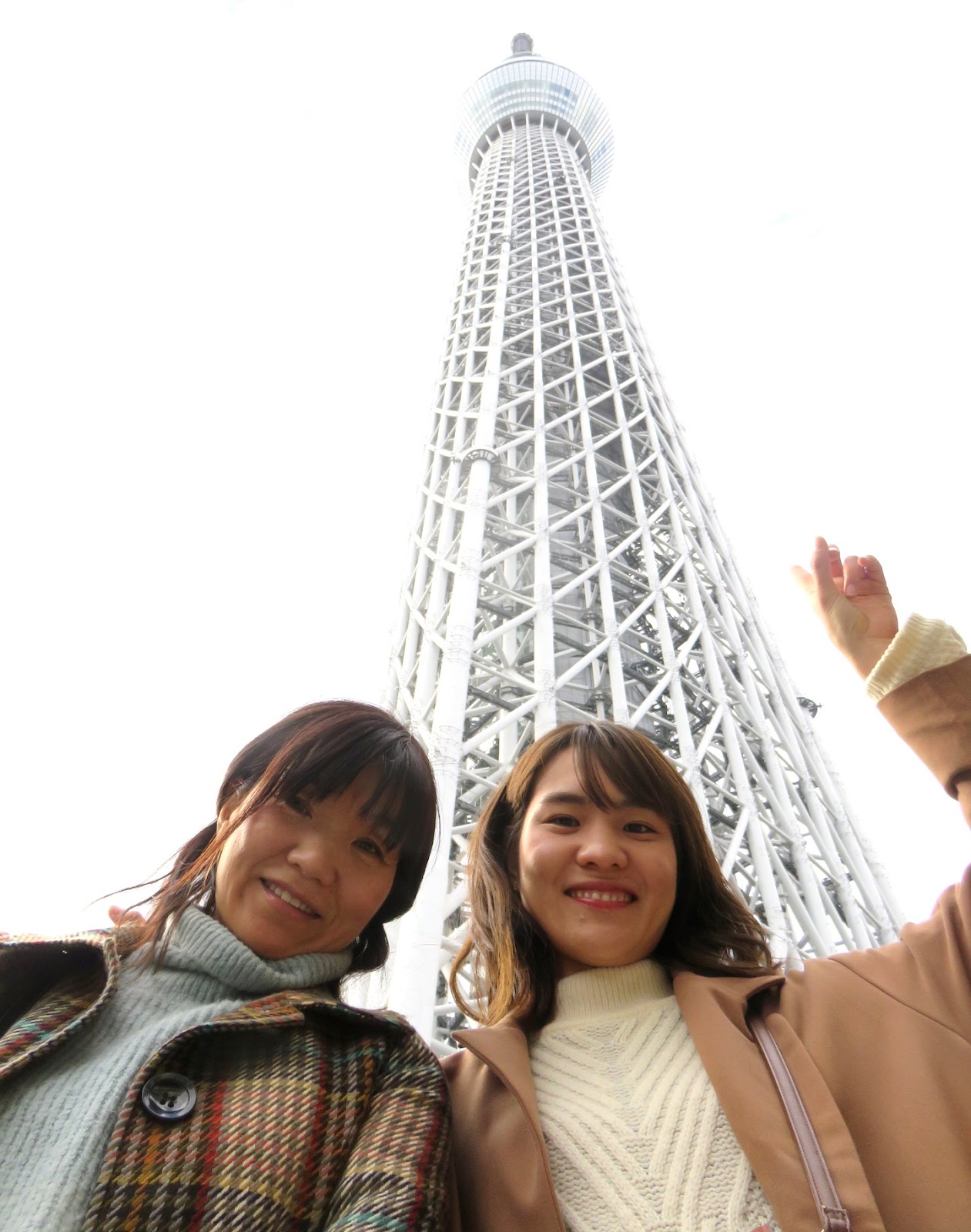
Fast forward 8 1/2 years -- OMG! has it been that long? -- my wife Masumi, her daughter Izumi, and yours truly take the overnight bus to Tokyo and kill the day seeing the sights.


Finally, we ambled like sheep with close to 50,000 other folks into the Tokyo Dome for an evening of pop entertainment featuring Charli XCX and Taylor Swift.

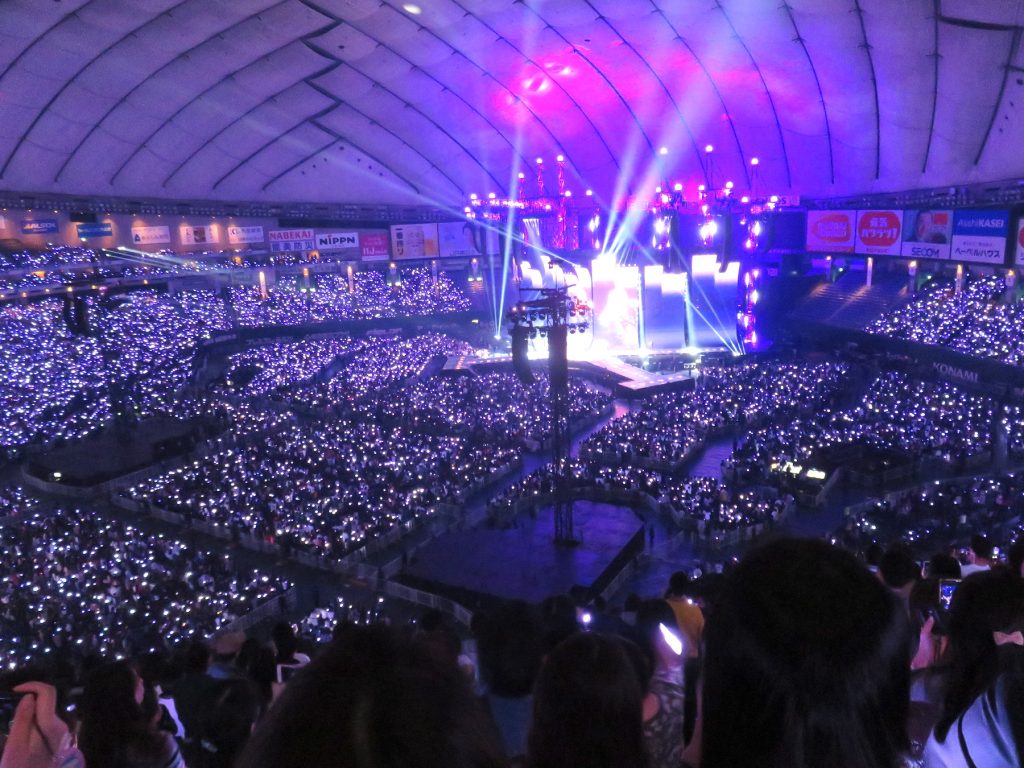
The audience again was a big part of the action. But it wasn't so much the result of hordes of Taylor Swift wannabees. It was because we were actually wired into the lightshow itself. Maybe 'wired' is a poor choice of terms. Every member of the audience was given an LED wrist band as we entered the arena, each of which was wirelessly connected to the computer-controlled light board. It was mind-blowing to see whole sections light up and flash in one color, the other sections different colors. Sometimes a huge wave of color swept around the arena, other times the entire audience sparkled like tens of thousands twinkling stars. Technology! Things had come a long way since my last stadium tour experience in Kobe, which by comparison now seems almost primitive.
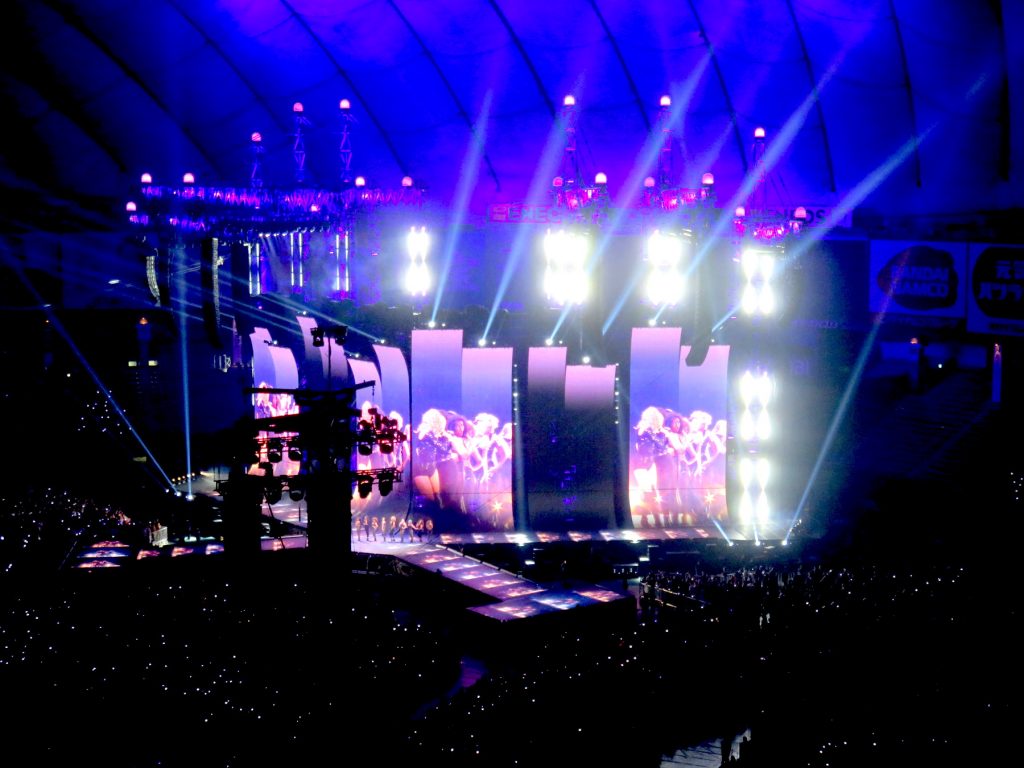
Of course, enormous flat-panel screens have been around for quite some time. But for Ms. Swift, the show's producers spared no expense.
I didn't take any video. It wasn't allowed. There was even talk that they'd be confiscating all cell phones and digital cameras at the door. That fortunately didn't happen, so at least I got a few still shots.

Was I impressed? Taylor Swift has some great songs. But regardless of the incredible advances made in audio and lighting, an arena is an arena and it sounds like an arena. It was loud and a bit cacophonous. despite Taylor's best efforts to connect with each and every one of us as her much treasured fans, songs which might be savored at home with earbuds or headphones in a dimly lit room with a banana daiquiri at your side, or even danced to in a club with good friends and good cheer all around, were as personal as the opening ceremonies at the Olympics. Lots of spectacle, not much soul, and absolutely no heart. Sorry, Taylor. My advice: Never hold a cocktail party in an airplane hangar.

At the same time, we all knew what we were getting in to. So the audience loved it. Smiles all around, everybody had a good time. There was a lot of love in the Tokyo Dome from beginning to end.

Of course, I've always heard that Western artists love to play Japan, because the fans are always so warm, enthusiastic, and appreciative. They are!

I wrote before, about Japan's love affair with Western culture, especially pop culture. While it makes sense for obvious reasons, it's still somewhat a source of bewilderment -- or is that reverse cultural chauvinism? It makes sense because Western culture driven by multinational capitalism is turning the world into a big homogenous cream puff. And who doesn't like cream puffs? Even so, having traveled as much as I have over the past 14 years, sampling if only superficially the cornucopia of cultures, dress, art, music, food, lifestyles, community and family organization, spiritual landscapes, and social values that are still out there, I hate to see everything replaced by cream puffs.
In many ways, the Westernization of Japan highlights those highly traditional aspects of the country which make it uniquely Japan. But the question arises: How far can this go? How Americanized can Japan become before it just becomes a bad copy of a once-great nation which has become a faltering empire facing inevitable decline and dissolution? Perhaps, if nothing else, Japan might start looking for a better role model.


None of this, of course, came up at the Taylor Swift concert. Why would it?


[ This originated at the author's personal website . . . https://jdrachel.com ]


Life In Japan: Taylor Swift in Tokyo


Wednesday, March 18, 2020

Life In Japan: Udon, Soba & Ramen


Granted, 'Udon, Soba & Ramen' sounds like a law firm based in Yokohama.
Actually, these are the three most common forms of noodles here in Japan, and are among the staples of the healthy diet of this country.

My history with 'noodles' is pretty sketchy. My mom used to serve me chicken noodle soup, typically Campbell's Chicken Noodle Soup. I tried to smile and show my gratitude but I've never forgiven her for serving me this slop in a can.

I'm now recalling the name of the character Robert De Niro played in one of my favorite gangland movies, Once Upon a Time in America. Yes, It was 'Noodles'.

Hmm . . . let's see. I used to eat buttered egg noodles for lunch sometimes.

There you have it. A lifetime noodling around. Until I arrived here.

Like everything here in Japan, the science and art of noodle-making has been perfected to the highest possible level.

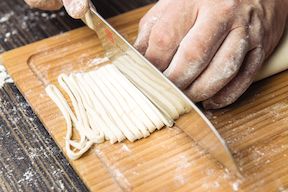
There is, for example, a whole prefecture -- a prefecture is the equivalent of a state in the U.S. or a province in Canada -- devoted to creating the finest udon in the Universe. It's called Kagawa Prefecture. I've been there! There are hundreds of udon restaurants, and you can watch them make noodles from scratch as you sit there waiting for your meal. They make dough, roll it, cut it, then toss it into boiling water. You can't get udon any fresher than that!

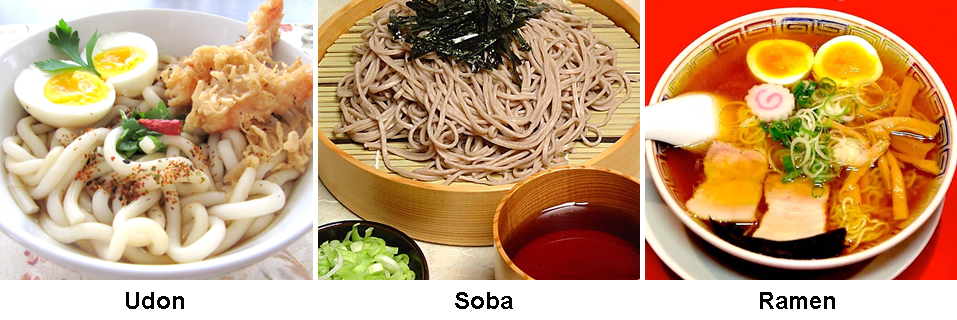
Udon (うどん) is a thick wheat-flour noodle, served in a very basic broth. The slippery texture makes it enormously fun to eat. The toppings are a real bonus. They include varieties of tempura, soft- or hard-boiled eggs, fish paste, fish cakes, shrimp, with the whole affair then sprinkled to taste with chopped scallions. We eat udon at least once a week. A real treat is to serve a basic udon generously blended with Japanese curry.

Soba (蕎麦) is made from buckwheat flour and despite the name, buckwheat bears no relation to wheat. It's made from grinding the seeds of Fagopyrum esculentum, a plant which is not a grass like wheat is. It took me a while to develop a taste for buckwheat. I had tried buckwheat pancakes in the U.S. and thought they were odd, certainly not at all an improvement on regular pancakes. Slowly here in Japan I've grown to enjoy the unique flavor of buckwheat and soba itself.

Most soba restaurants seem to be more traditional institutions, so the dining experience embraces atmospherics as well tongue tantalizing. My wife really loves soba, so at least once a month we go to her favorite restaurant tucked away on a country road in the middle of nowhere. If you happen to go to this place, I'm sure you'll be as amazed as I always am that anyone can find it. But there's always a line at the door of expectant soba-aficionados eager to get their fix.

Ramen (ラーメン) is the least healthy of the three. Lots and lots of grease. Which means it tastes great! It's based on Chinese wheat noodles, a meat or fish broth -- usually it's pork -- and like udon is garnished with all sorts of yummy ingredients. Slices of butaniku (pork) are very common. Some people dump in tons of garlic or green onions, or peppery spices. Many regions of Japan have their own distinctive version of ramen. For example, tonkotsu is the ramen unique to Kyushu and miso ramen that of Hokkaido.

Ramen and people's devotion to it sometimes have religious or cult overtones. This was beautifully captured in a very funny comedic film called The Ramen Girl, about an American lass who is stranded in Tokyo after breaking up with her boyfriend, and apprentices to a ramen master to get her life back together. I highly recommend it!

(Disclaimer: This movie has no transgender CIA assassins who side-by-side with comic book superheroes attempt to defeat an invading swarm of 6-dimensional extraterrestrial nano-spiders. But it's still great!)

There you have it. Come to Japan. Join in on the fun.

Or if you're already here, you know . . . the Japanese take noodles very seriously!


[ This originated at the author's personal website . . . https://jdrachel.com ]


Life In Japan: Udon, Soba & Ramen


Monday, February 24, 2020

Life In Japan: Conveyor Belt Sushi


Sushi and I have a long history.  I discovered the joys of raw fish on sticky rice back in the 80s, when I lived in Los Angeles.

I was a bit of a sushi snob back then, not because I'm class conscious, but because the people I was hanging out with at the time had a lot of disposable income.


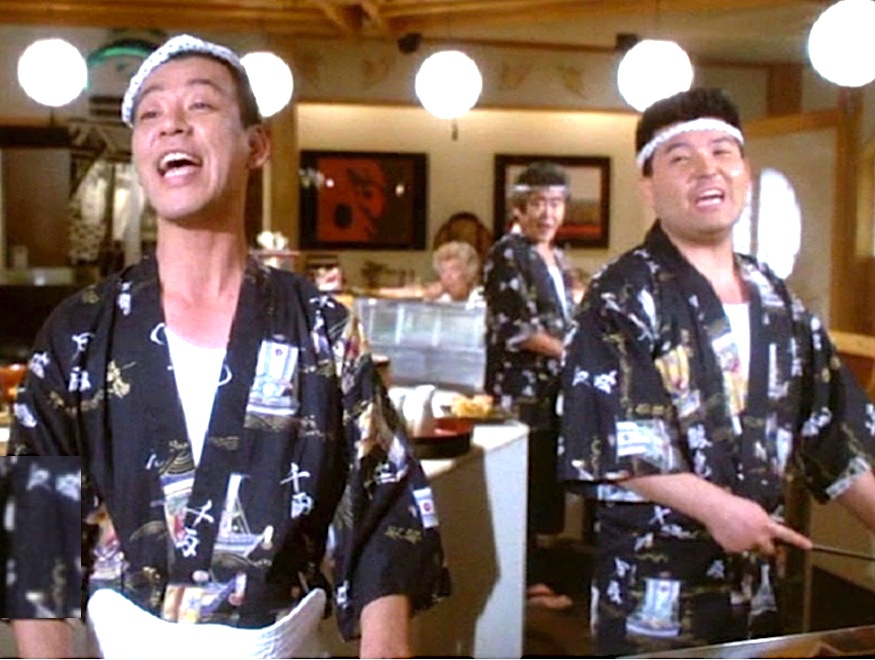
Sushi scene in "Defending Your Life"

There's a great romantic comedy film called "Defending Your Life" with Albert Brooks and Meryl Streep.  The two sushi chefs in that film had a fabulous sushi restaurant frequented by movie industry types -- moguls and celebrities.  They were the "rock stars" of the sushi scene in that area of town, which is why they ended up in the film.  These two geniuses were my initiation in perhaps the best sushi in the entire Universe!  That's how I became a sushi snob.

When I moved to Portland, Oregon I was heartened to find one phenomenal sushi bar, unfortunately now out of business.  I was home free!  The competition wasn't exactly stiff.  Portland's unofficial motto is still to this day 'Keep Portland Weird'. 


Predictably there were some very bizarre places that passed themselves off as sushi restaurants.  One was called Rock 'n Roll Sushi.  I tried it.  It was horrible!  Other places were run by individuals who clearly had no training in the fine art of sushi making, weren't remotely Japanese, probably thought miso soup was just bad English, as in "Me so glad to see you, Yoko!"

It was in Portland I first heard of conveyor belt sushi.  I immediately dismissed it as just more Portland weirdness, glanced in the window of the new conveyor restaurant only once -- yes, it was the talk of the town and I was curious -- and thought, what a stupid gimmick!

I was pretty confident I wasn't missing anything.  Here's what one customer said about it:  "Sushi Mioga may not serve the best sushi in town but for the price and with tons of options, this is my new favorite conveyor-belt-sushi restaurant for now."

Whatever.  Sushi delivered on a conveyor belt?  Ha!  What a joke!

Of course, I was wrong about at least part of the story.  Conveyor belt sushi was invented by a Japanese sushi restaurant owner back in 1958.  His name was Yoshiaki Shiraishi, and he was looking for an effective way to get his sushi quickly to his customers.  A visit to a local Asahi brewery, which used conveyor belts to speedily move the beer through the process of bottling and packaging, was his inspiration.

So Portland wasn't being weird or innovative or anything of the like.  It took someone there almost 50 years to discover and capitalize on this clever invention.  By then, Japan had entire conveyor belt sushi restaurant chains up and running across the nation.  The most well-known and successful is Sushiro, which has been in business for over 30 years.

Sushi tends to be very polarizing.  Either people absolutely LOVE IT or are nauseated by the thought of eating raw fish.


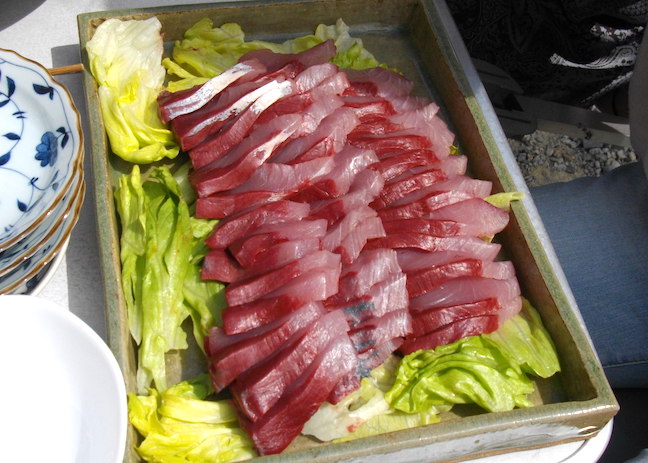
I guess I'm pretty lucky living here, since I'm a hard-core sushi and sashimi lover.  Both are as common here, both at home and when eating out, as pizza or fries are in America.  Masumi and I went to a cook-out at a friend's house and along with the usual things that you'd see at a backyard barbecue, there was the huge plate of yellowtail sashimi pictured here.  That would cost over $100 at a restaurant in the U.S.  And here it was being served as a snack like you'd serve cheese and crackers.  I was in heaven!

We don't eat out all that often -- both Masumi and I love to cook and she's certainly a genius in the kitchen -- but on average we eat conveyor belt sushi once a month.  Our favorite place is in nearby Tanba-shi.  Usually we go with Masumi's mom and her two daughters who live near us in Sasayama.


It's not only incredibly delicious and inexpensive but I frankly find it to be a lot of fun.  There's always the anticipation of what the sushi chefs have coming down the belt next.  Sometimes some real surprises!

Since conveyor belt sushi is extremely popular, for the lunch or dinner rush hour it's usually a good idea to make an online reservation.  Last time we were there, however, it wasn't peak time and the place wasn't as crowded as usual.


Even though they weren't blasting Megadeath over the speaker system and the waitresses didn't look like something out of Zombie Goth Apocalypse, we still had an excellent time!


[ This originated at the author's personal website . . . https://jdrachel.com ]


Life In Japan: Conveyor Belt Sushi


Tuesday, February 18, 2020

Life In Japan: Shrines and Temples


Living in a completely foreign culture is sometimes the best way to get insights into your own culture, to be able to see things that are so obvious they're hiding in plain sight, thus require your looking at them from "the outside" to make them apparent.

On a lighter note, let me append to that how utterly amazed I am by my talent for coming up with genuinely stupid questions about Japan, its customs, its culture, its people.

The particular one I'm about to reveal isn't really that bad . . . maybe only 4 or 5 on the cluelessness scale.  Here it is . . .

A few years back I asked my wife Masumi -- who displays monumental patience with me, probably because she knows I'm truly curious about Japan, not inclined to make nugatory small talk -- about the architectural manifestations of "spiritual life" here.  The question:  "Why are there so many shrines and temples here in Japan, darling?"  (Okay . . . I didn't say 'darling' or 'sweetheart' or 'lamb chop' or 'tofu burger' to her.  It's just not my style.)

I don't recall her exact words.  But it went something like: "Have you ever looked around in America? There are churches everywhere you go."

My God!  She's right!

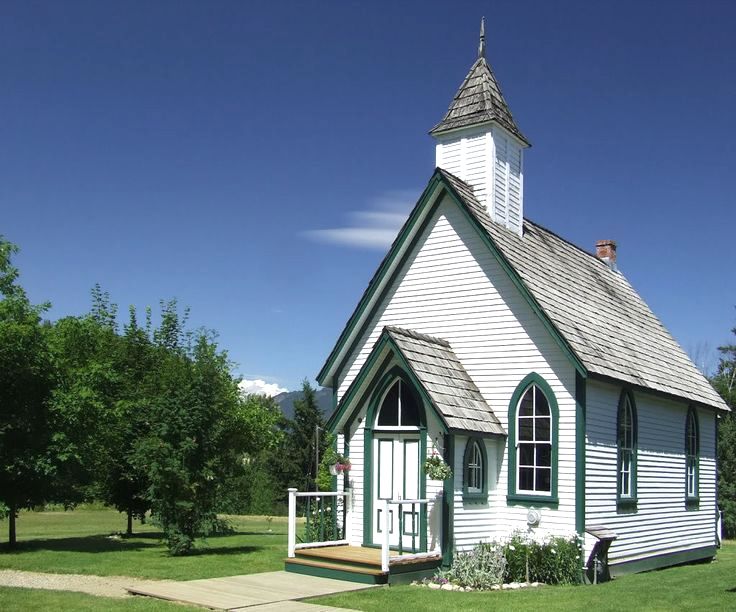
From small and modest . . .


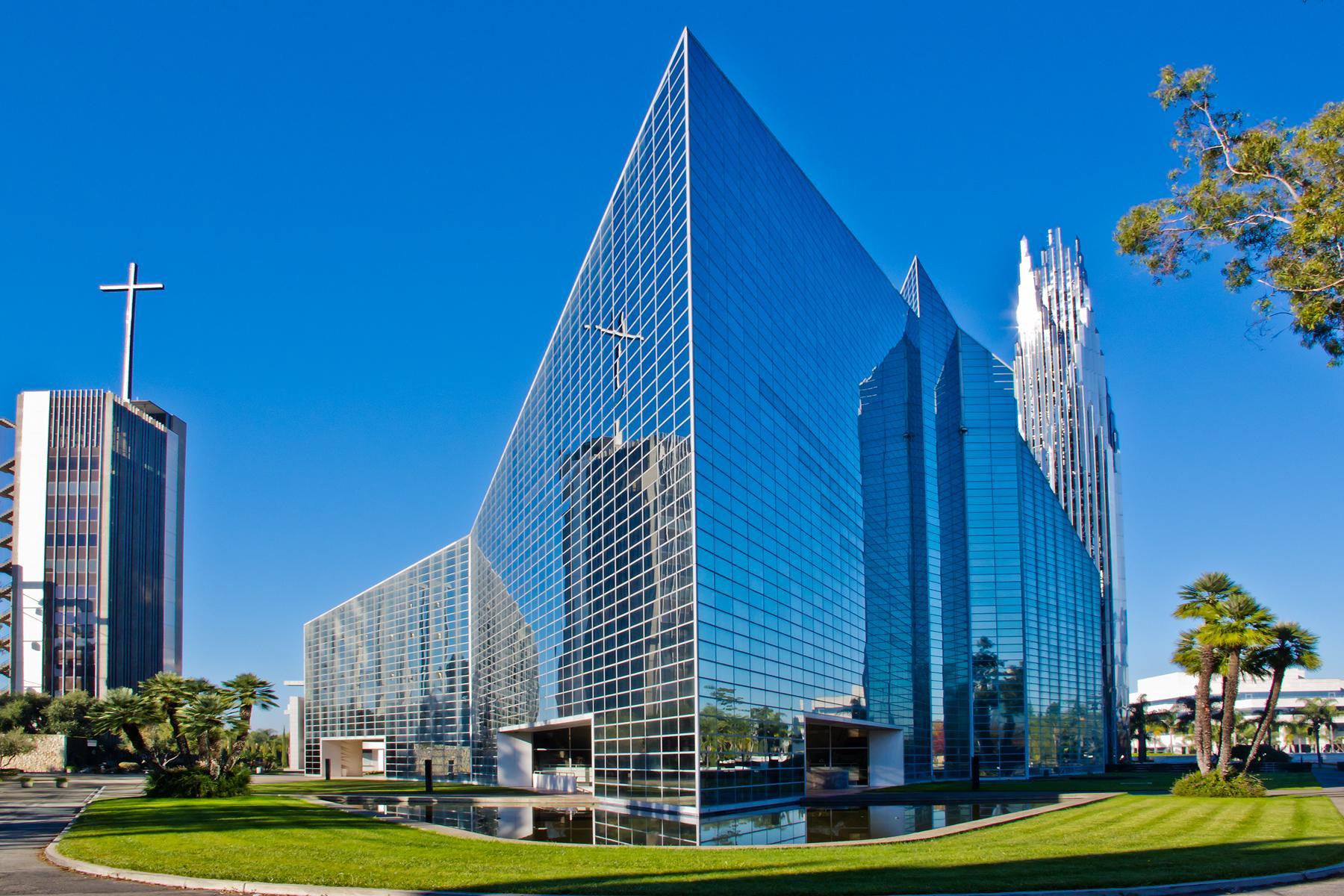
To majestic and sometimes garish . . .


There are churches everywhere!

To make things truly convoluted, while all these churches essentially promote Christian beliefs, there are so many denominations of Christianity, it's impossible to keep track of them all.  Lutheran, Baptist, Catholic, Episcopalian, Church of Christ, 7th Day Adventist, Mormon, Presbyterian, Methodist, Christian Science, on and on.

Then to make things even more disorienting to anyone hailing from the East, in addition to the Christian churches, there are Jewish temples -- also with an assortment of subtle shadings, e.g. Orthodox, Reform, Conservative, Reconstructionist, Humanistic, Hasidic, Haredi, Chabad -- and then in recent times mosques which serve as the spiritual centers for the flocks who adhere to Islam.

What a menagerie!

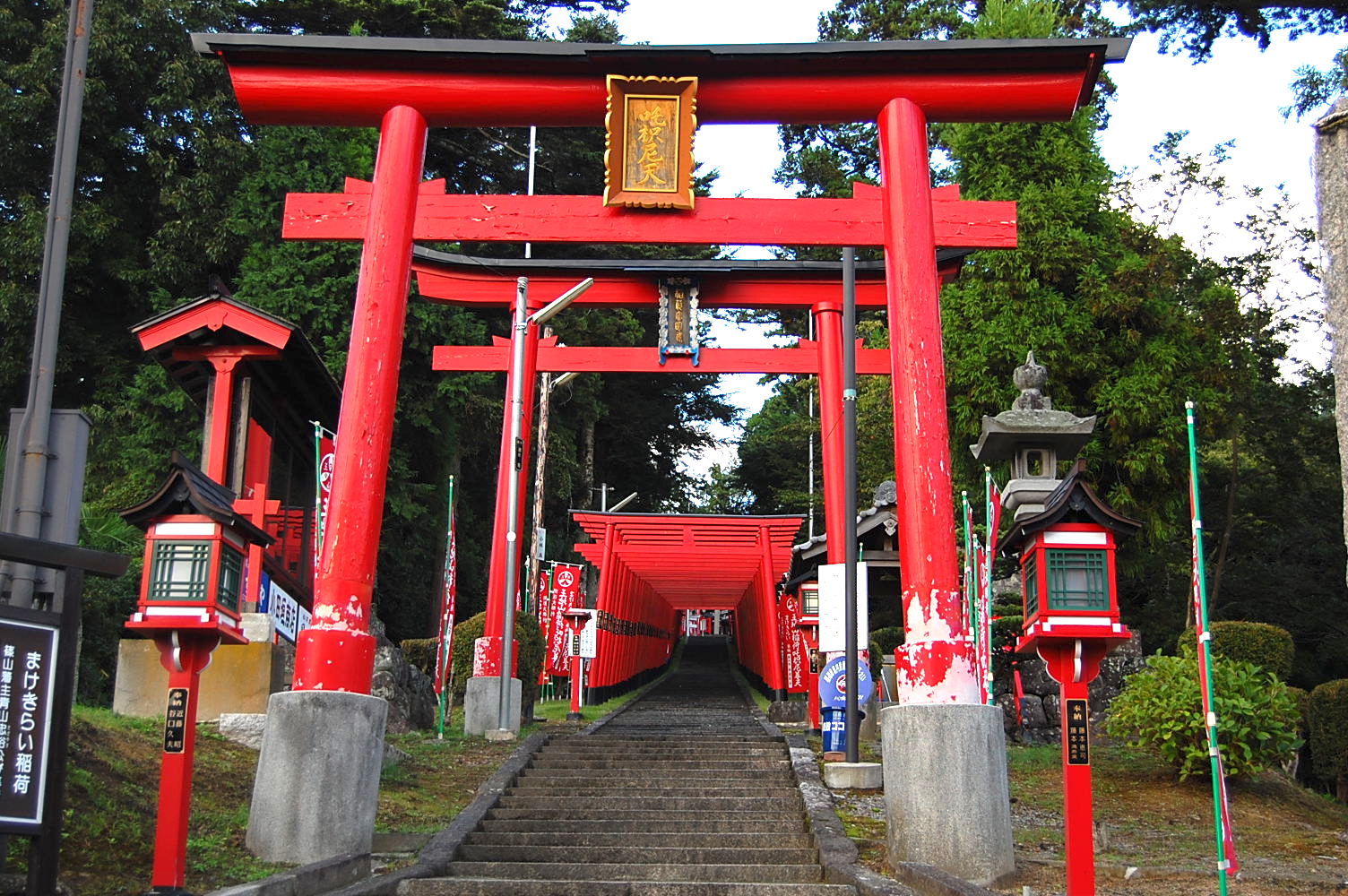
It makes Japan look like it's just at the early stages of ramping up its institutionalization of theology, though in point of fact, the two dominant religions here -- Buddhism and Shinto -- actually go back respectively about fifteen and thirty centuries.  Maybe Japan can't hold a candle -- or stick of incense -- in sheer numbers to America, or a country like Thailand, which has over 40,000 Buddhist temples alone, but I can speak from experience: There are still plenty of holy sites, temples and shrines here.  Even some Christian churches.

Anyone who's traveled the globe will tell you that this is the case just about everywhere there are people living in some organized fashion. 

The obvious conclusion is that humans like to build places of worship, and to varying degrees visit these places of worship to do whatever it is they do in places of worship.

Yes, there's worship.  But while some people are kowtowing to some statue, idol, entity, ghost, relic, concept, abstraction, surrogate or whatever, others are doing something else. Wishing.  Meditating.  Fantasizing.  Maybe scoping out what others are doing or wearing. What car they drove, what camel they rode in on, who they're with.  These days peaking at their smart phones.  Checking their email.  Their text messages.  Tweeting or looking at their Facebook news feed.  Discreetly taking selfies.

Though it's been quite a while since I attended Catholic services, when I was a boy I had to go to Mass six days a week, thus had more than ample time to observe the devout in their Sunday best or Saturday khakis.  And frankly, even back then I don't remember much real worshipping going on.  Yes, a small faction followed along in their prayer books, mouthing the incantations of the priest.  But the vast majority were marking time, minds elsewhere, checking their watches.  God didn't seem to mind, or notice.  No bolts of lightning ripped thought the ceiling and struck down the inattentive.  God is infinitely patient, I'm told by my Bible-toting friends.  (Tell that to the victims of Sodom and Gomorrah!)

I occasionally attend services here.  Usually at our local shrine which I can walk to in about five minutes.  A celebration typically associated with a holiday.  It's mostly a social thing.


People do pray.  We each make appeals to invisible higher powers, for the things most of us on the planet desire:  Happiness, health, wealth, good fortune, love, maybe marriage, harmonious relationships.  There's that universality again: concerns and values we all seem to share as human beings, regardless of where we have settled down to make a life.  Concerns and values expressed in places which we designate for whatever you want to call that "quiet time" we all seem to embrace for addressing something inside us that is outside of us ... greater than us ... or maybe representing the us we wish we could be.  Whether we worship this other or just like to sidle up to it now and then, it's convenient to have some special designated place -- a temple, a mount, a church, mosque, cathedral -- to set the mood and provide the proper environment.

Here are just a few shrines and temples within easy bike-riding distance of my house.


Yes, houses of worship are everywhere here in Japan too, but at a much more modest level  of 'everywhere' than in the U.S., and most certainly not in the over-abundance I now can see is a defining characteristic of my homeland.

It makes me wonder . . .

What exactly are they trying to prove over there?  Are they maybe trying a little too hard?  To be blunt, it appears all that praying and worshipping isn't really working very well.
Why would I think that?

Americans like to say:  "God is on our side."

Really?  If God truly is, then He must have a very strange sense of humor.

Or a serious mean streak.


[ This originated at the author's personal website . . . https://jdrachel.com ]


Life In Japan: Shrines and Temples


Thursday, February 13, 2020

Life In Japan: Police Power


I've been spending time in Japan on and off for almost thirteen years.  I've lived here as a permanent resident now for over eight.  I can't ever recall seeing a police officer smile.

Then again, they're not paid to smile.  Apparently they're paid to serve and protect.

This story appeared as an article in this morning's newspaper.  Yes, we have it delivered everyday.  It's white paper with black printing, sometimes a few color photos, a pleasant way to keep informed, which my wife Masumi reads then we recycle.  The story . . .

Kakogawa is a town in our area.  There an 81-year-old lady's disabled husband fell off the bed where he unfortunately spends most of his life now.  She was unable to lift him and put him back into the bed.  He himself could offer no assistance.

She called her son, who lives in Himeji.  He promised to get there as soon as possible, but Himeji is well over an hour from Kakogawa.

The lady then called the police.  Hoisting people from a fall is not really their job but they said they would get there as soon as possible.

Two policemen showed up at her house in ten minutes.  They were able to get the old man back into the comfort of his bed.  She was overwhelmed with gratitude.  As they left, they reminded her to be sure and lock her door.  I'm not sure why because crime is practically non-existent here in Japan, especially in the more outlying towns like Kakogawa.

To be honest, I have no way of knowing if the police officers smiled.  But they certainly went way beyond their official line of duties to help this distressed old couple.
Protect and serve.  Be human.  Be helpful.  Be kind.


When I lived in Los Angeles for 15 years, all of the patrol cars had 'To Protect and Serve' on them.  Regardless, it was well established that you didn't talk to, call on, approach, or in any way engage the police.  If you did, you would be inviting harassment, abuse, even arrest.  That was back in the 80s and early 90s.  I'm sure I don't have to tell you what it's like now.

What happened to America?  When did public servants become the enemy?

Every nation has its pluses and minuses.  Maybe I don't look to the police here for a smile.  But I know I can count on them if there's a problem.


[ This originated at the author's personal website . . . https://jdrachel.com ]


Life In Japan: Police Power


Life In Japan: Harvesting Soybeans


It probably seems late to be writing here in December about harvesting anything.

But soybeans are an interesting crop.

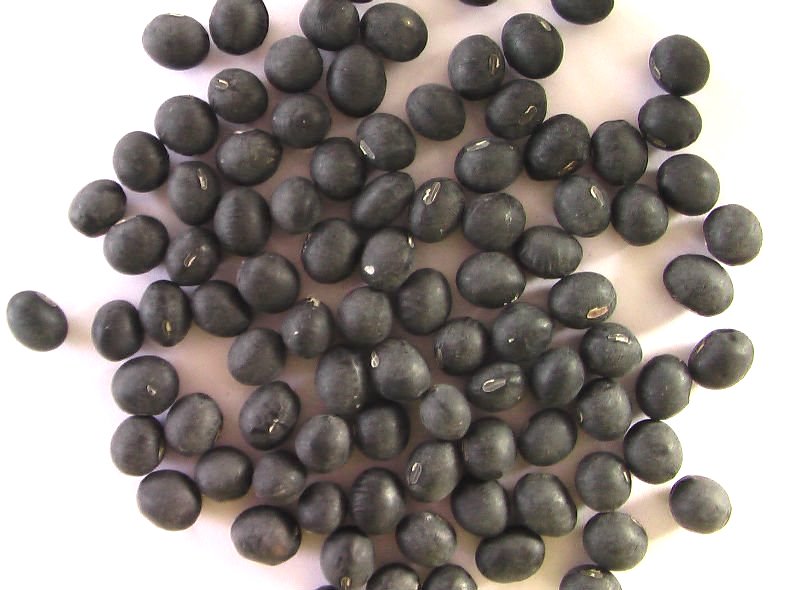
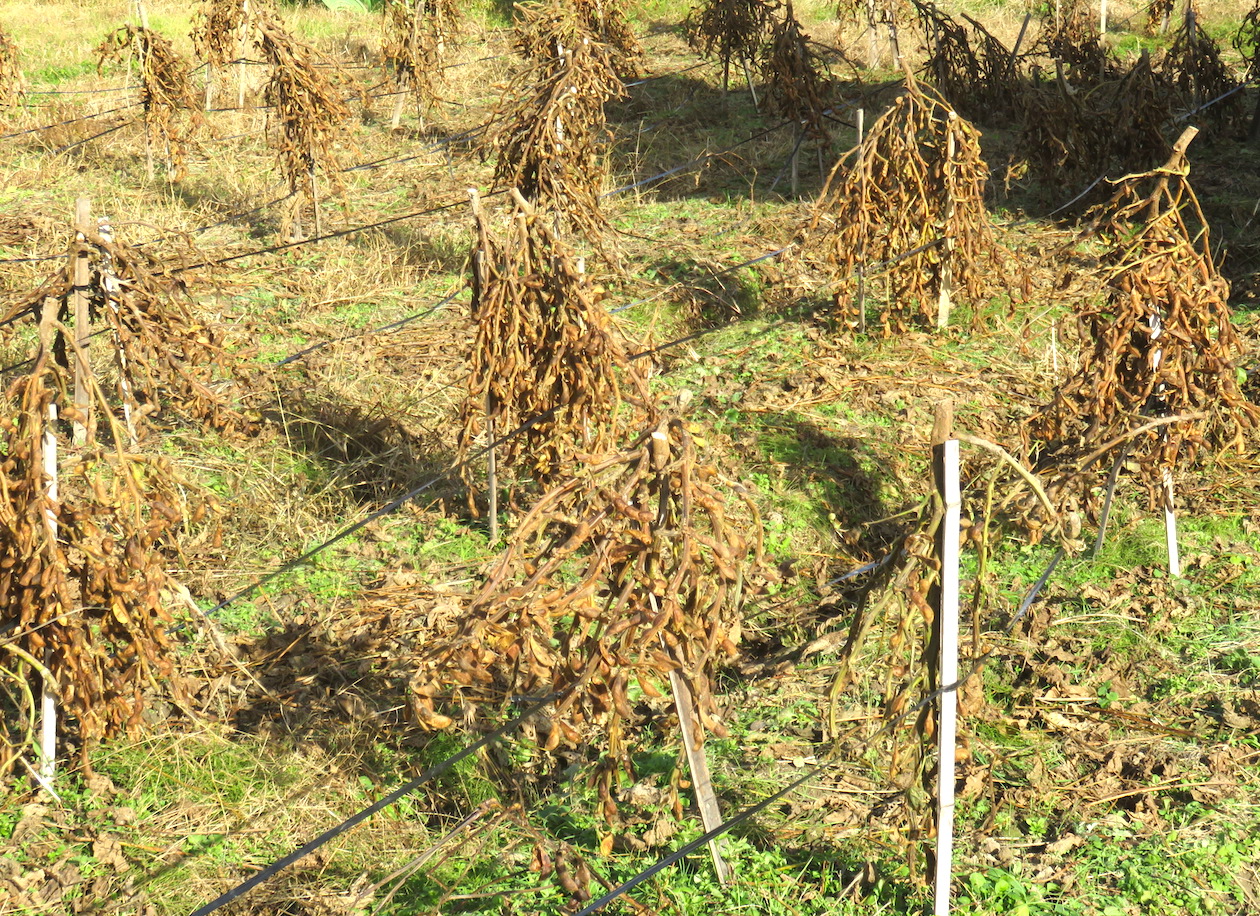
First off, soybeans are called kuromame -- 黒豆 -- here in Japan, literally 'black beans'.  Because when they are left on the vine to completely mature, they dry, become very hard, and are a deep ebony color.

In actual fact, soybeans are harvested at two distinct stages.


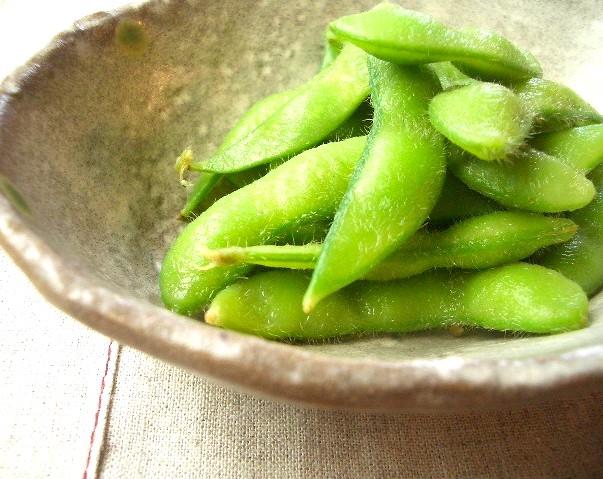
The first harvest comes about a month after the appearance of the new bean pods.  These soybeans are green and fairly soft.  When the pods are boiled and lightly salted, they are called edamame -- 枝豆 -- which translates to 'stem pea' or 'branch pea'.  Edamame is among my favorite treats both at home and at a restaurant.  It makes a great snack or an appetizer.

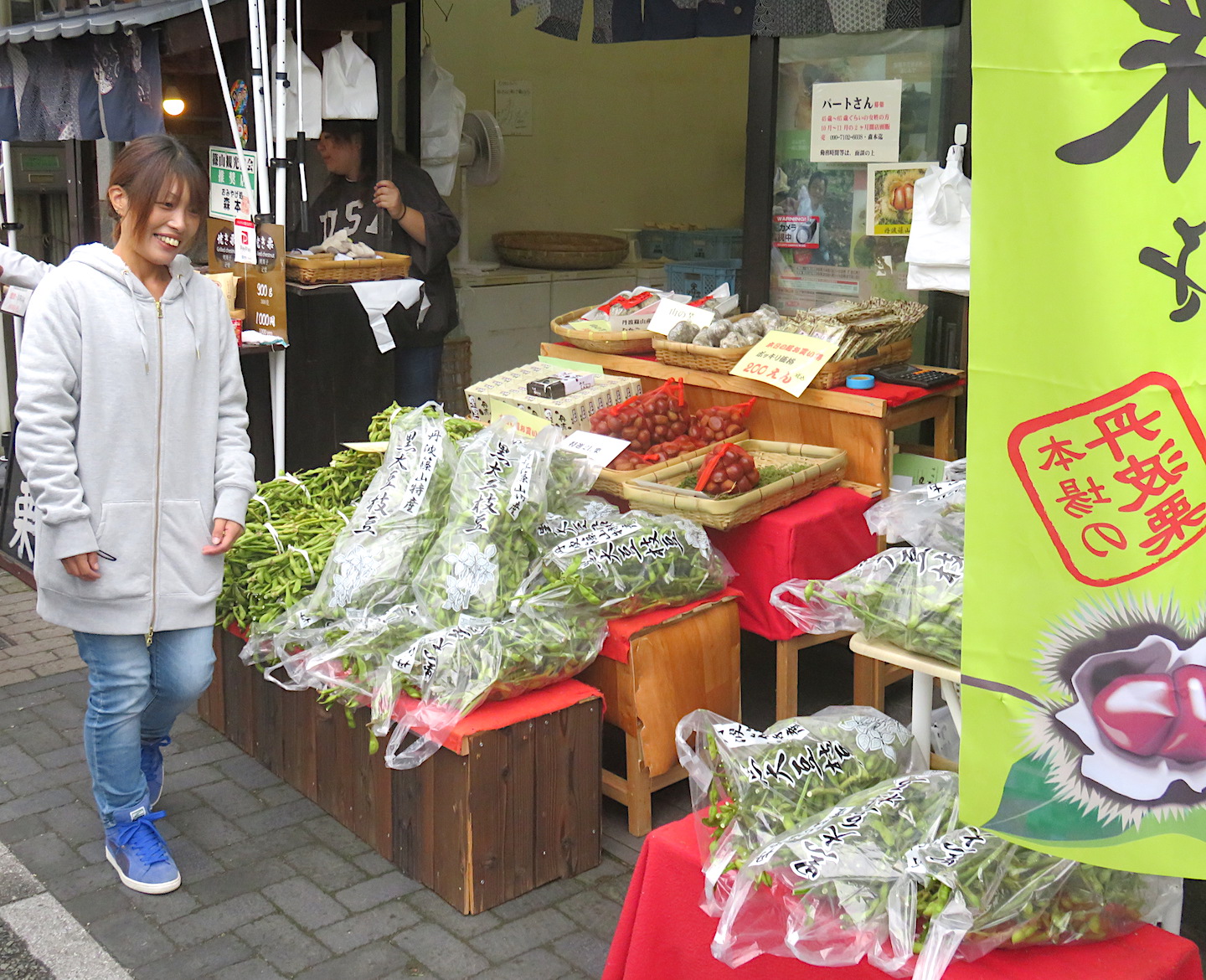
It's right after this first harvest that our prefecture -- a prefecture is the equivalent of what is called a 'state' in the U.S. and there are 47 prefectures in Japan, ours is named Hyogo -- has our annual Black Bean Festival.


Because our beans are reputed to be among the best in Japan, people come from all over Japan to buy them, or send them out as gift packages.
This first harvest either must be eaten quickly or frozen.  The green soybeans will spoil within a week of being harvested.

Which is in sharp contrast to black beans.  They will have completely dried out, are hard as a rock, and will last almost as long as most rocks, as long as they're not attacked by insects or radioactive zombies.  At the same time, in order to make them edible, they must be boiled for hours and hours.


To arrive at this petrified state, black beans are left on the vine for two to three months.  They are monitored and at some point their stalks are cut and they're flipped over and either left upside-down on the ground or hung up to dry out.  So here we are in December and many local farmers are just getting around to collecting their black beans.  Some will leave them out for another month or so.


Here's an interesting side note.  Black beans taste very different than the early-harvest green soybeans.  They're roasted to eat as a snack, boiled and made into a healthful soup, soaked in sugar and used for various desserts.  They're turned into a sweet paste and used as a filling in dessert cakes, the way we Westerners might do with custard or whip cream.  Or sometimes the beans are sweetened and inserted in a cake or sweet roll the way we might do with raisins or chocolate chips.  This all seemed pretty weird to me at first, but I'm getting used to it finally.


Actually, the Japanese have quite an array of splendid confections unlike anything I've ever experienced before: dumplings, starch balls, rice cakes, hakuto jelly, tokoroten, higashi, dango, dorayaki, mochi.  They have great affection for honey toast, sugar toast and every imaginable variety of crepe.  There are crepe shops and stands everywhere!

One thing I definitely haven't figured out yet:  Japanese love their sweets, love their treats, and in general love to eat!  But they're so slim.  It's not like every other building is a gym or there's a raging pandemic of bulimia or anorexia.  If you could bottle whatever slimming mechanism is going on in this strange land -- call it Svelte Fat Melt Magic Elixir #9 -- you'd become a billionaire overnight!


[ This originated at the author's personal website . . . https://jdrachel.com ]


Life In Japan: Harvesting Soybeans