Showing posts with label festivals. Show all posts

Monday, December 16, 2019

Life In Japan: Annual Neighborhood Curry and Bingo Party


Curry is of course from India.  But the Japanese put their own spin on it and have come up with quite a few of their own variations, some spicy -- but not that spicy -- some mild, all quite delicious, at least to this Westerners palate.  Curry is extremely easy to prepare and is a very common everyday dish, one served at school lunches, outdoor markets, festivals and other social gatherings, restaurants, certainly at home for evening dinner.  Curry here is always served with rice.  Here we only use homegrown local product, often grown and harvested by the very people in my immediate community.

Bingo I assume was imported from the U.S. -- though it's roots are in Europe -- and is quite the rage here.  When I used it as a teaching tool for my English students, it made sense.  Match pictures and words.  Build a vocabulary while learning to "hear" English. 


But I soon discovered that Bingo is played all of the time here.  It's certainly fun for all ages and a good excuse to give things away, something else Japanese love to do.  Giving gifts is like shaking hands or breathing here.  Whether it's a social obligation, heartfelt gesture, tradition, or habit, it's always great to be handed a special gift by another individual. 

Every year our village of Noma has their curry-bingo party in November.  Last year I won some kitchen utensils and two years ago a kite.  I can feel your envy across the vast stretch of cyberspace!


There is so much community here in Japan, at least where I live.  Maybe this isn't the case in the big cities, but certainly here, the folks living in Noma, the neighborhood community on the eastern edge of the city I reside in, get together regularly and work on some project, celebrate a holiday, hold a ceremony, or just have a good time.  It's very charming!  More importantly, because of all of these social affairs, I feel like I belong here, as a member of an extended family.  The regular socializing also gives everyone a stake in keeping the neighborhood safe, clean, wholesome.  Friendly smiles and greetings are the norm.

I say sometimes I feel like I'm living in a fairy tale.  But maybe what I have is just the comfortable, civilized way things should be for everyone everywhere.  Life's not just singing solo.  A little harmony greatly improves the song and the rhythm of life.


[ This originated at the author's personal website . . . https://jdrachel.com ]


Life In Japan: Annual Neighborhood Curry and Bingo Party


Thursday, October 24, 2019

Life In Japan: Festival of the Portable Shrines


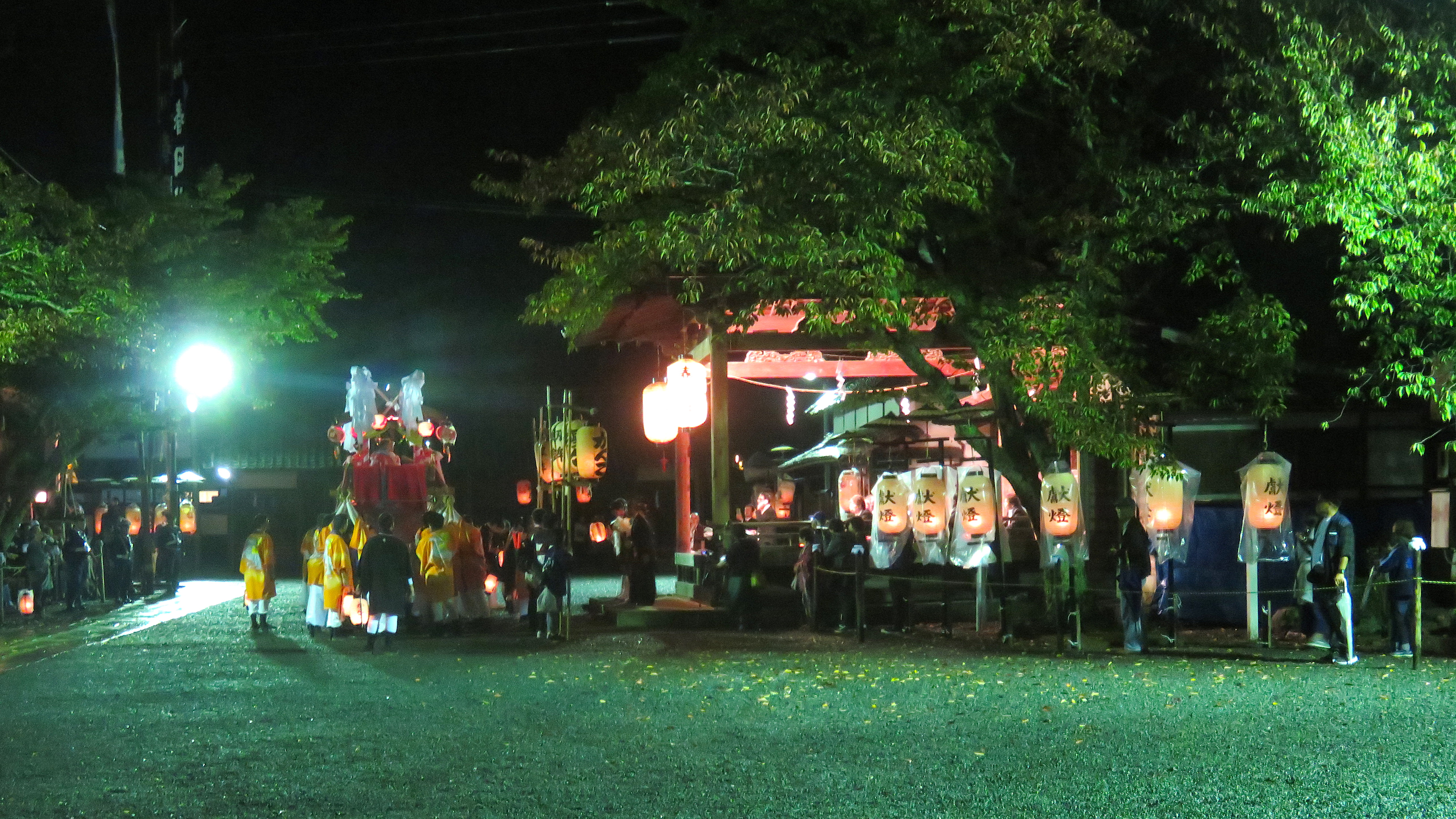
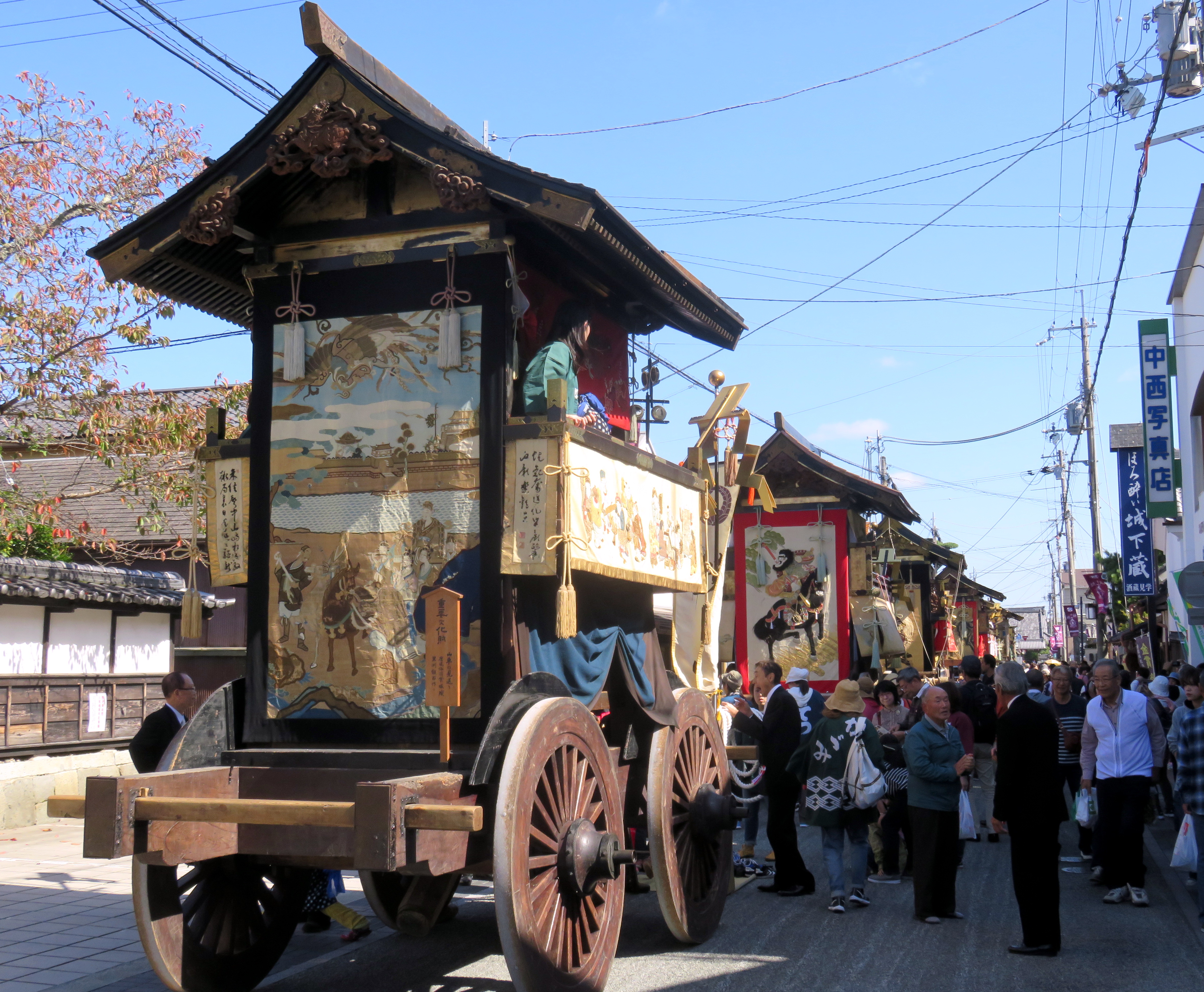
Every year during the third week in October we have a most unique and marvelous festival here called the Festival of the Portable Shrines.

I don't exactly know either its "purpose" or how to describe it.  Hopefully the photos and video will offer some idea what an exhilarating two days we have here in Tambasasayama, as the streets fill with colorful costumes, huge shrines either on wheels or being carried by the heartier men -- many of whom are extremely inebriated on local sake -- and visitors from all over who come to enjoy the festivities.

We see a lot of unfamiliar faces.  This festival coincides with the soybean harvest, and our town is known for having the most delicious soybeans in Japan.  So we see Japanese from all the surrounding prefectures -- the Japanese equivalent of states in the U.S. -- even from as far as Tokyo, which is over 500 kilometers (320 miles) away.  There's also a decent mix of Westerners in town.  ALTs -- Assistant Language Teachers who typically teach English in the area junior and senior high schools -- converge from the entire region.  This is also the time that the exchange students arrive from Walla Walla, Washington -- which is Tambasasayama's sister city in the U.S. -- to experience a two weeks concentrated dose of Japanese culture.


And here's a short video compilation from just last week.


See you next year!  Bring your smiles.


[ This originated at the author's personal website . . . https://jdrachel.com ]


Life In Japan: Festival of the Portable Shrines


Wednesday, September 11, 2019

Life In Japan: Ground Golf


There's "community life" in my community.

In my village called Noma, which is on the very eastern edge of town, as I've mentioned before, we get together regularly to clean up the "neighborhood".  Of course, most of the area which hosts the 40 or 50 houses in our village consists of rice and soybean fields.  When I refer to the neighborhood, I'm actually talking about the irrigation canals and ditches, retainer walls, our shrine hillock dedicated to Benten, a goddess of art and music.  We also have an annual barbecue, our curry and bingo party, and a number of ceremonies celebrating holidays throughout the year.

That's just my local village get-togethers.  Mind you, similar ones are taking place across the entire city, in each of the twelve or so local villages.  All of these are organized as neighborhood happenings, where it's likely everyone attending will be at least somewhat familiar with one another. 
Then there's all of the city-wide activities for Sasayama -- just this past May renamed Tambasasayama [丹波篠山市] in a special election -- organized for all 42,000 of the city's residents.  I've mentioned elsewhere the Dekansho Festival in August and the Festival of the Portable Shrines.  There are many more -- tea festivals, sports day festivals, the black bean (soybean) festival, wild boar festival, as well as street fairs, special markets, and so on.  For a relatively small city, there are certainly a lot of officially organized events.  But this is true for all of Japan.

There's one activity, however, I'd like to call special attention to.  Because it's just so darn charming, and so thoroughly Japanese!  That's the game of Ground Golf that takes place, weather permitting, every day here for six or seven months out of the year.

Not that Ground Golf is Japanese.  I don't know where the game originated.  Being called 'golf' certainly suggests non-Asian roots.

It's just the idea of it!  As the photo shows at the head of this article, it takes place on a huge flat field of sand.  The city maintains this play area just for Ground Golf.  There's not much else it could be used for.  Maybe a beach, if climate change causes a 150-meter rise in the level of the ocean.

Why do they have this?  To give old folks something to do and an excuse to socialize.

Can you imagine?


[ This originated at the author's personal website . . . https://jdrachel.com ]


Life In Japan: Ground Golf


Wednesday, February 27, 2019

Life In Japan: Festivals

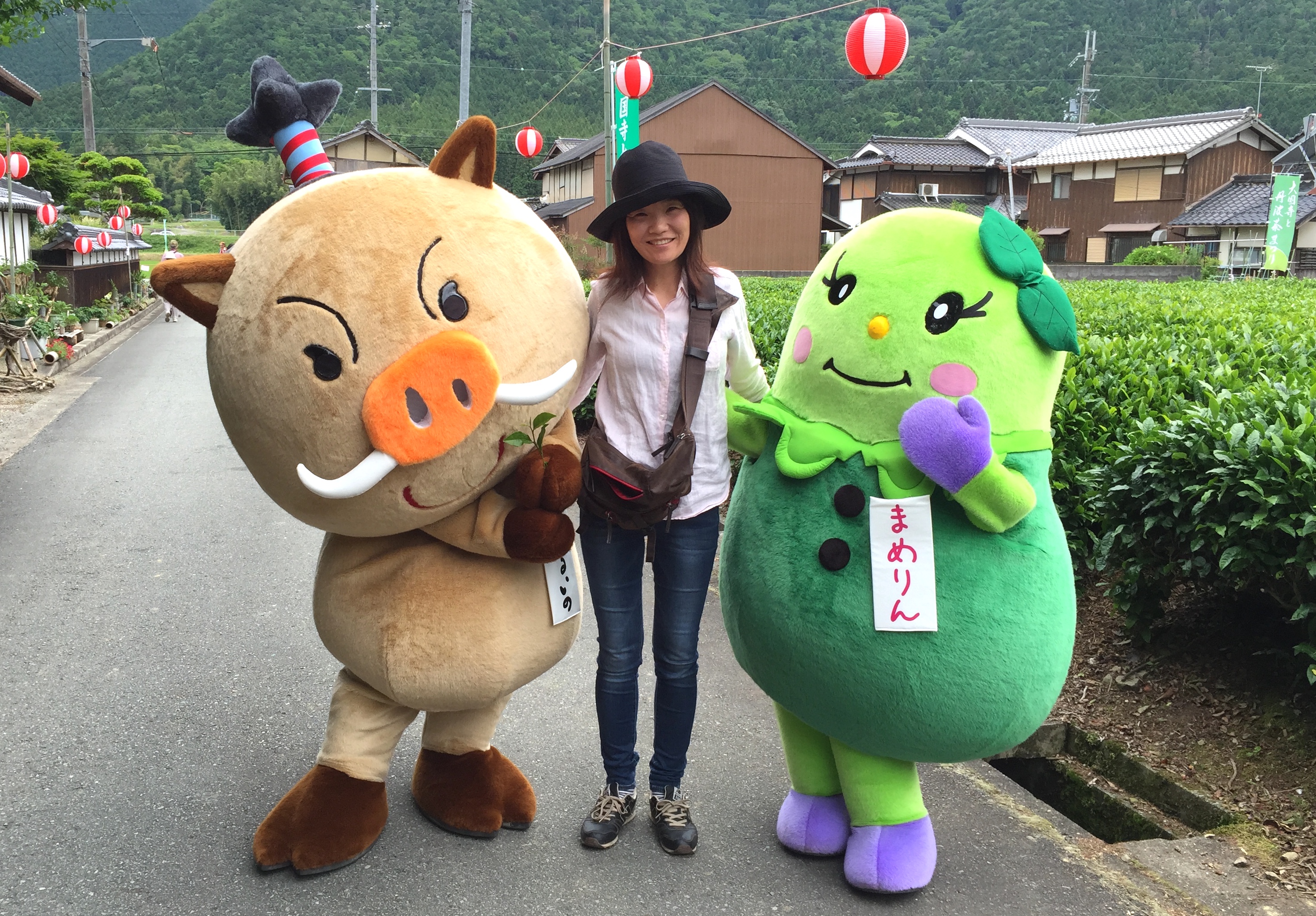
                                             Masumi at the Daikokuji Tea Festival

While Japan is called The Land of the Rising Sun, my personal preference actually would be The Land of the Festivals.  The entire calendar is littered with fascinating, extremely entertaining, family-oriented festivals.

I can think of no equivalent in the U.S. to what goes on here.  Yes, we have rock festivals and various other extravaganzas.  But they are very specific to a type of event and usually local.  Here in Japan, the festivals are both a local and a national phenomenon. 


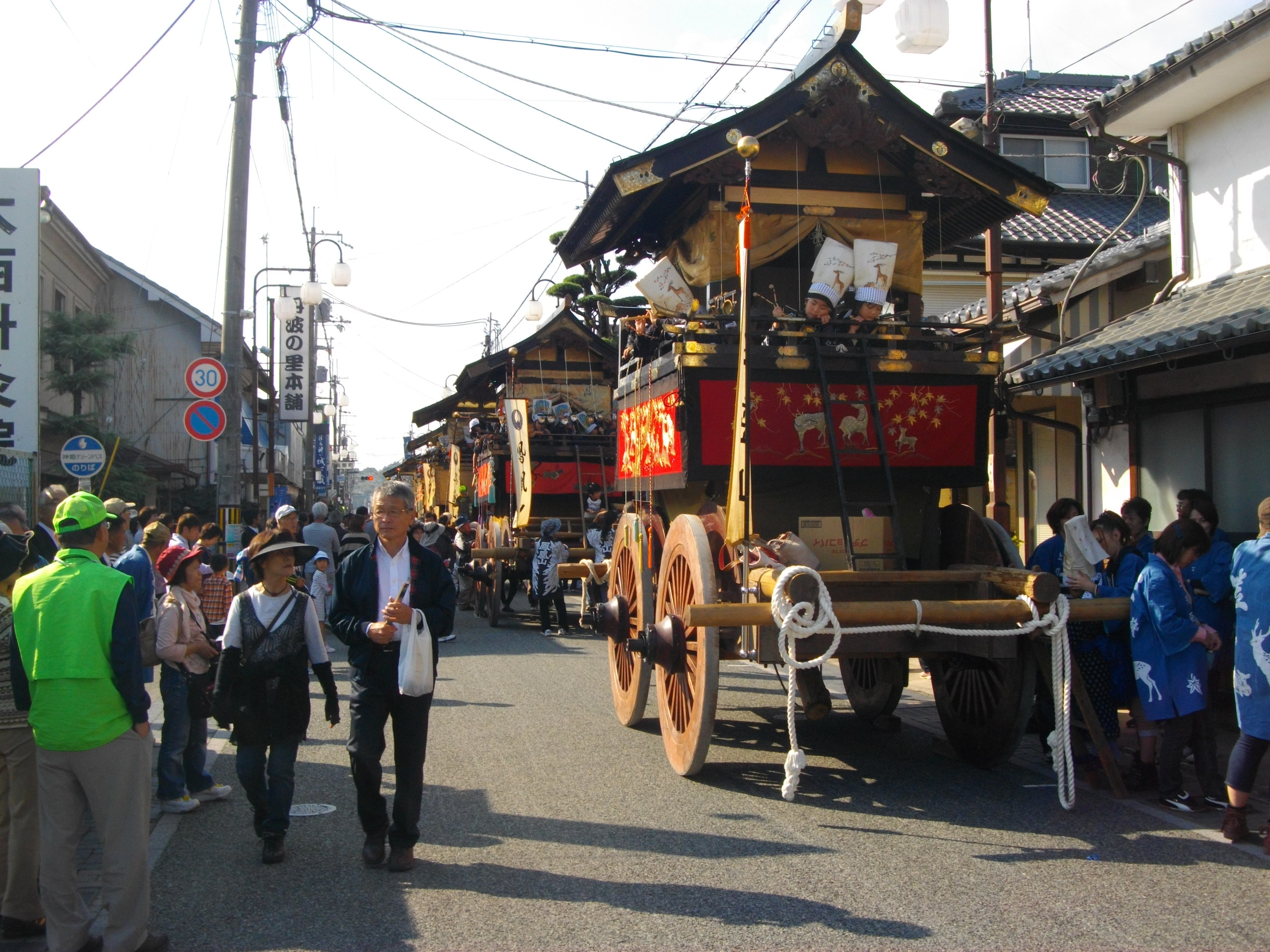
                     Festival of the Portable Shrines

Some local festivals are unique to a town or region.  Here in Sasayama, we have the Wild Boar Festival that fits into that category.  Not really too many wild boars running loose in Osaka or Tokyo that I know of.  We also have our Black Bean Festival, because Sasayama is renowned across Japan for the quality of its soybeans (black beans are soybeans which have ripened and dried on the vine and are black in color).


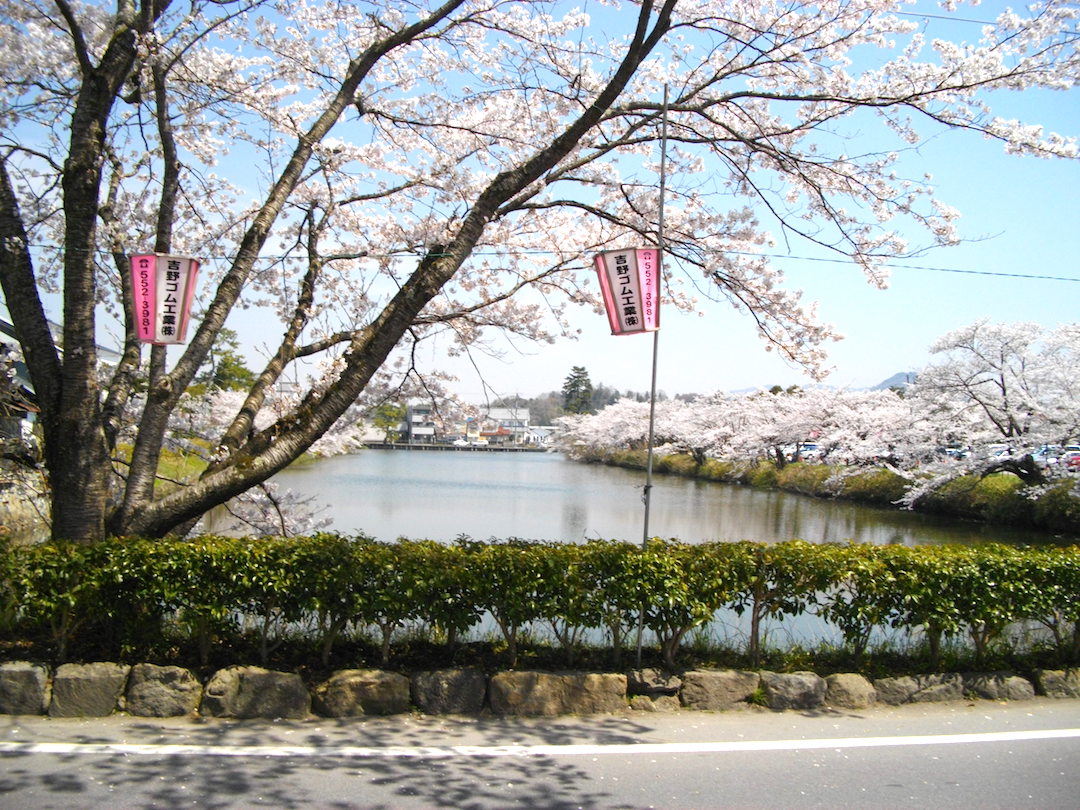
                     Cherry Blossom Festival

The big festivals are national.  Yes each locale or region has a celebration.  But the festival being celebrated usually is being celebrated across all of Japan at the same time.  Examples of this are the Cherry Blossom Festival early April and the Festival of the Portable Shrines in late October.

Obon is yet another national celebration, actually an annual Buddhist event first half of August, commemorating one's ancestors.  It is one of the three busiest times of the year in Japan for travel and taking a holiday break.  Everywhere in Japan, there are Obon festivals being held.

This year, my wife Masumi and I headed north to Tohoku for two weeks of camping and attending some of the most famous of these Obon events in the country.

Everywhere we went, there were fireworks, parades, singing and dancing.  Here are a few of the highlights.

Aomori

This is reputed to be one of the most spectacular festivals in Japan.  The giant internally-lit paper floats are astonishing.  The crowd is rowdy -- well, as rowdy as it gets here in Japan -- the drumming tribal.  Quite a show!


Yamagata

This was my favorite festival.  The participants sang and danced.  I loved the song they were singing.  The costumes, the choreography, the town itself ... superb!


Sendai

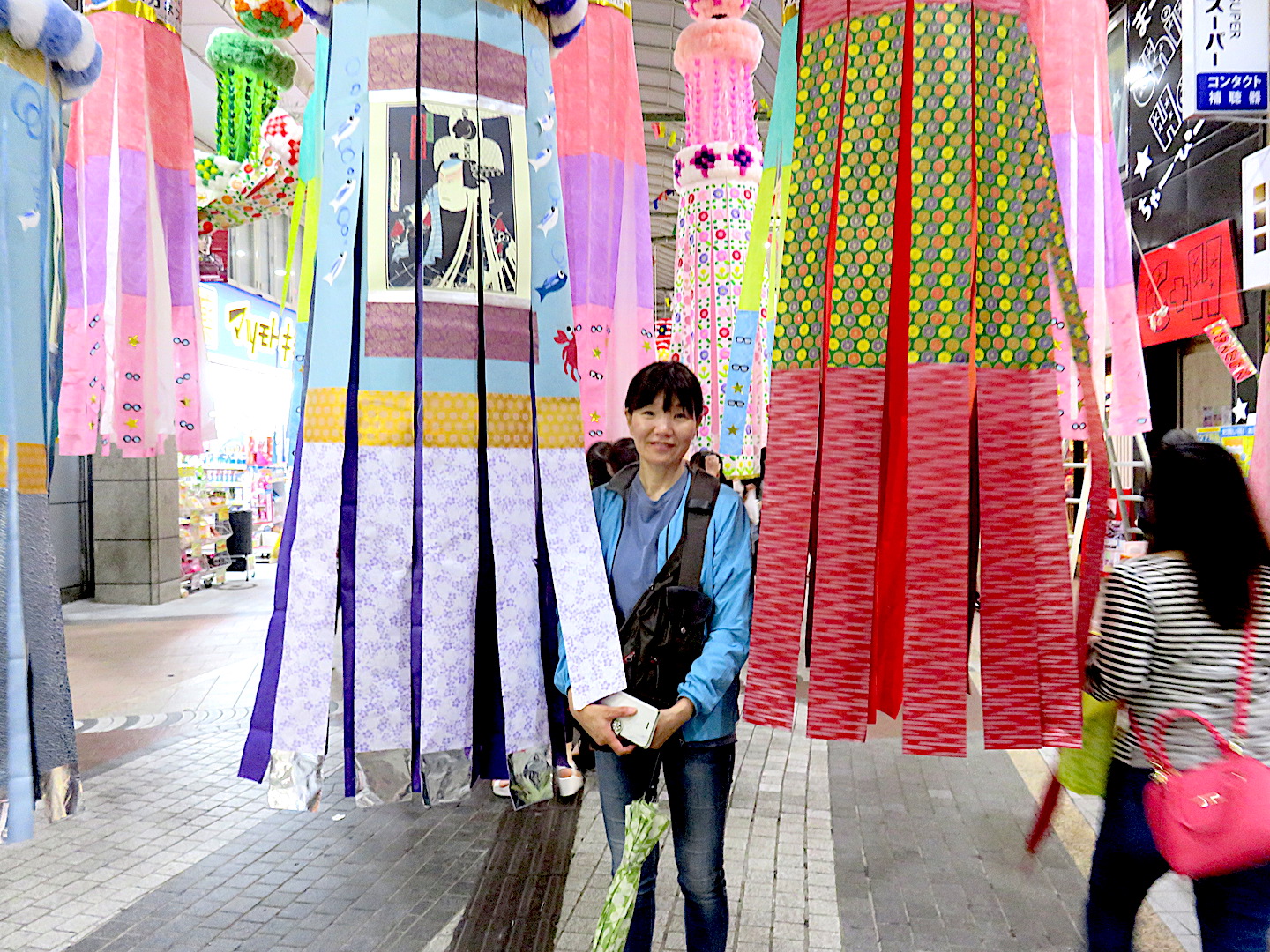
Sendai -- famous for its proximity to Fukushima -- was more of a gallery affair than a rollicking good-time festival.  Hanging in the promenades which are ubiquitous in urban settings here in Japan were beautiful hanging paper sculptures, literally thousands of them.


We returned from our excursion just in time for the Dekansho Festival, this one unique to our town and one of my favorite local annual events.  The music is traditional and live, and everyday folks perform the Dekansho folk dance.  The event celebrates the harvesting of the rice and is hundreds of years old, representing the long agricultural roots of this community.


[ This originated at the author's personal website . . . https://jdrachel.com ]


Life In Japan: Festivals


Monday, October 22, 2018

Life In Japan: A Lost Wallet


Every year in October, we have here in Sasayama -- my hometown -- the Festival of the Portable Shrines.  It's one of my favorites!

It coincides with the black bean harvest.  Soybeans are called black beans because if they are left on the vine, they turn black and harden, making them easy to store and use over the coming year.
The town is famous over much of Japan for the quality of its black beans.  This means that the weekend of the festival, Sasayama is flooded with tourists.

A gentleman arrived here from Kobe, which is about an hour away.  He came to purchase black beans, but when the moment came to pay, he discovered his wallet was missing.

There are no pickpockets here, so obviously he had dropped it somewhere in town.

He went to the nearest Koban.  There are many here in Sasayama, as there are all over Japan.  A Koban is a mini-police station.  In the U.S. there is much lip service given to community policing, having friendly cops in the neighborhood to address problems which come up in the local area.  In Japan, it's a reality and an integral part of a functioning community.

The policeman on duty -- considering Kobans are, despite being extremely useful and efficient, very limited affairs, often just a two-room building with one parking space for a patrol car, there was probably only one or at the most two officers there -- took a report, then got on the phone.  He called all the other Kobans in the immediate area, anywhere close to where the gentleman had parked his car, then walked into the main part of town.

He passed along the man's name and a description of the wallet.

Now get this . . .

While he was on the phone with another Koban, someone walked in with the wallet and handed it to the policeman on duty there.

The gentleman from Kobe walked the short distance to the other Koban, and retrieved his wallet. 

The contents -- credit cards, ID, cash -- were intact.  Not a single item had been stolen.

I'm not going to moralize.  Draw your own conclusions.  Imagine dropping your wallet wherever you live and decide how the story would have ended.

I'll say it again . . . I love Japan!


[ This originated at the author's personal website . . . http://jdrachel.com ]


Life In Japan: A Lost Wallet