Since leaving America August 2006, I have traveled to sixteen countries. A great deal has happened. This site is to share my thoughts, photos, music, writings, travel experiences, and developing political/social commentary with you. I hope you find it interesting and informative.
Showing posts with label Festival of the Portable Shrines. Show all posts
Showing posts with label Festival of the Portable Shrines. Show all posts
It seems like here in Japan we're always having some holiday or festival. There sure is a lot going on to keep the smiles fresh and the video cameras rolling.
I've written before -- in fact feature it in LIVE FROM JAPAN! -- about the festival we just had this past weekend. This year, it was slightly scaled down from what has been held in the past, presumably because of Covid-19. We don't really have much of a crisis over the dread bioweapon but Japan plays on the side of cautious.
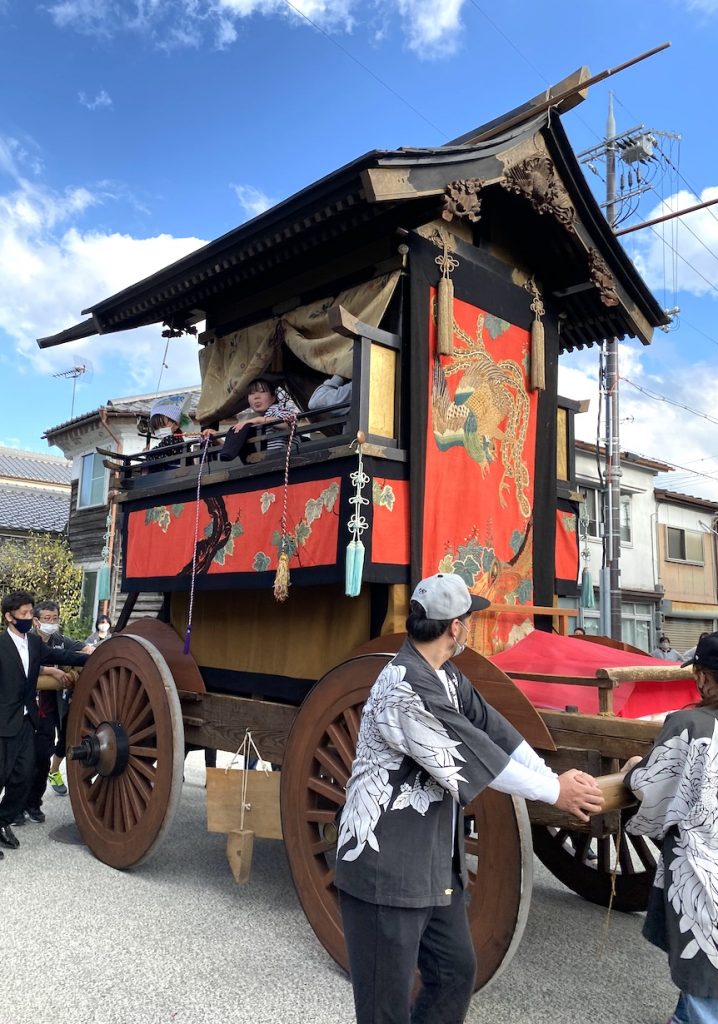
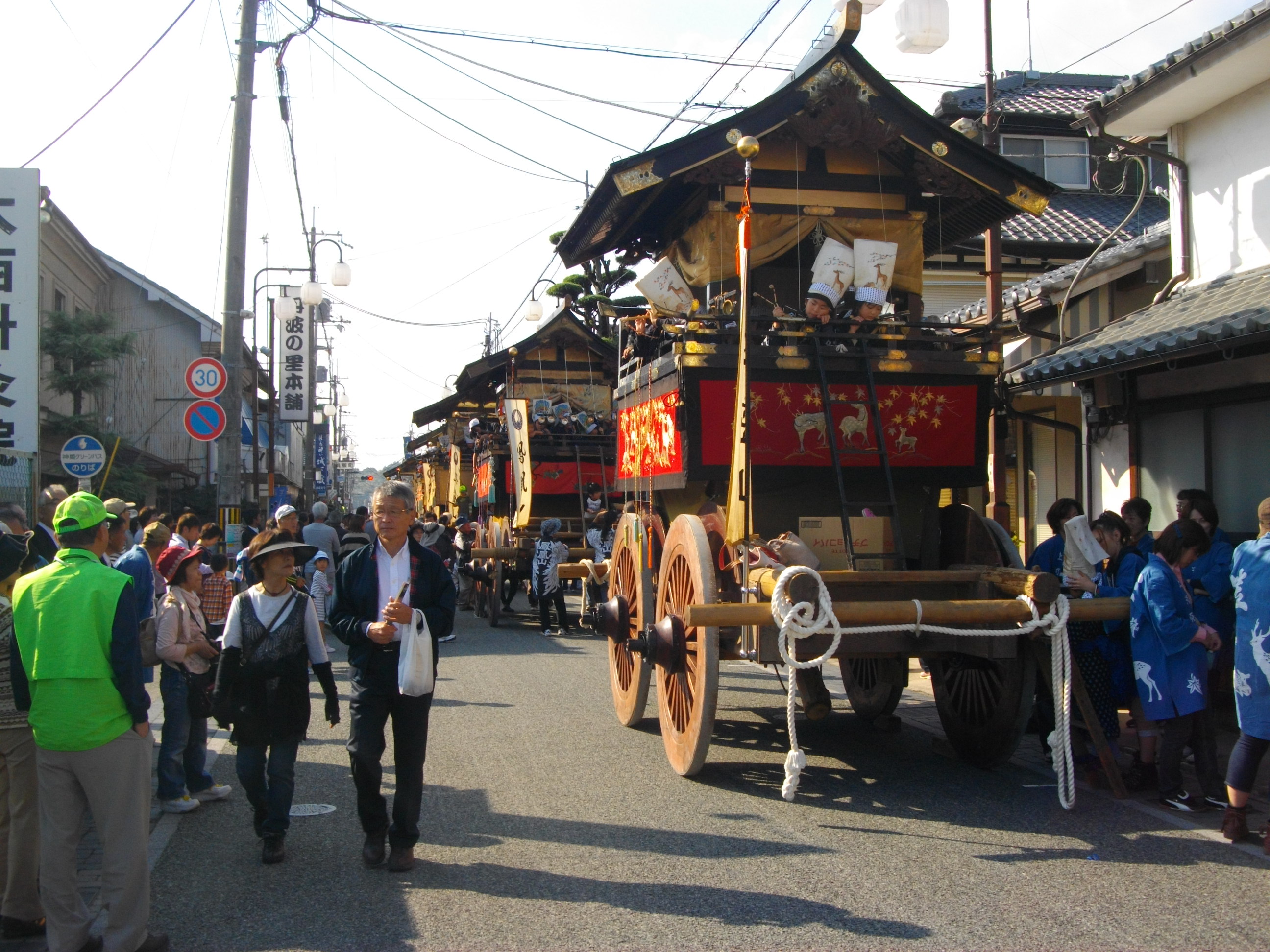
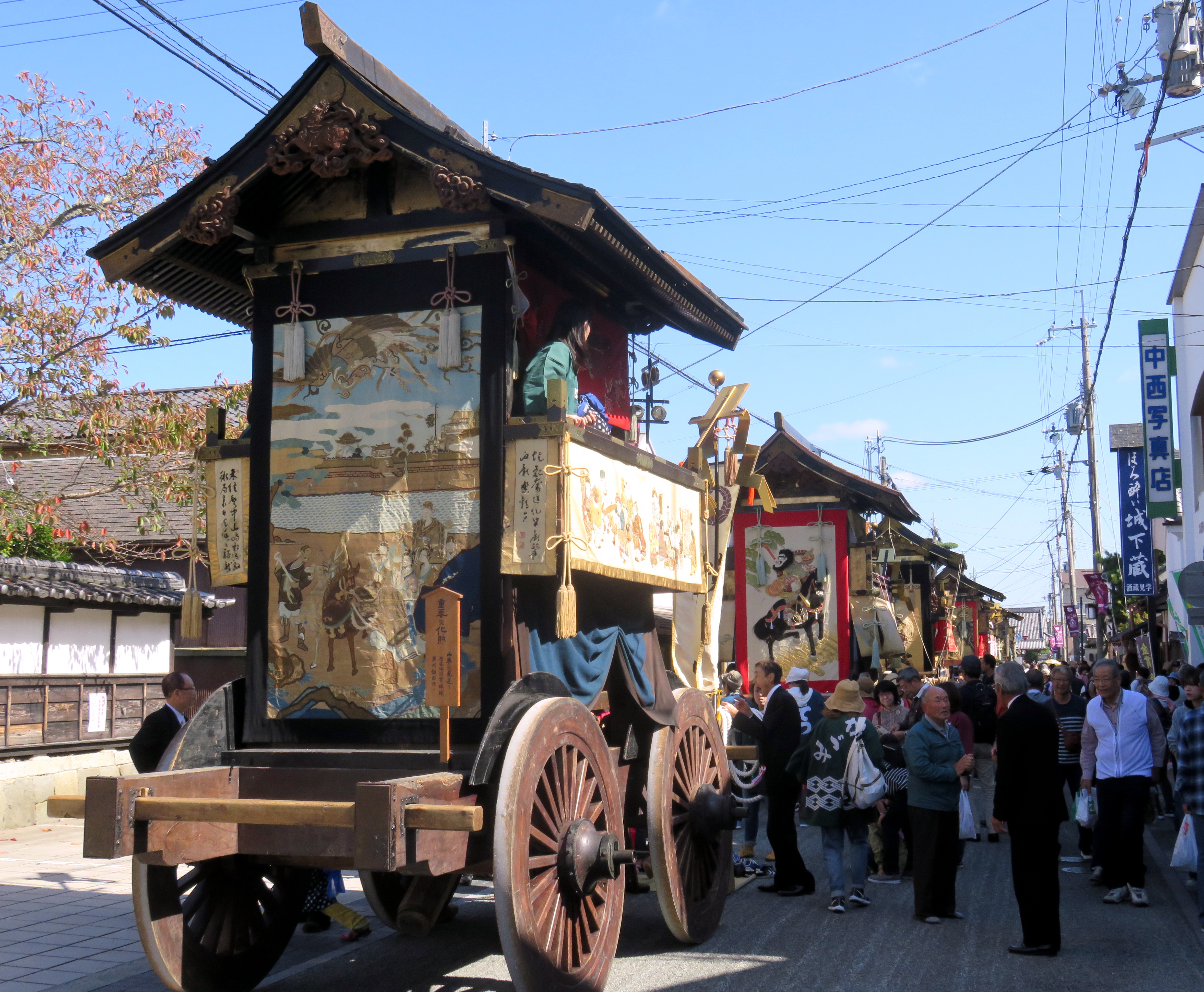
We spent most of our time on what's nicknamed "Merchant Street", a narrow and extremely charming roadway which looks the way it did a century ago, especially since the city last summer buried all of the electrical and communication cabling underground. Wheeled portable shrines (as opposed to ones carried by twenty to thirty inebriated celebrants) paraded up and down the street. In the carriage on top, children played flutes, chimes and various rhythm instruments. Since the vehicles have no steering mechanism -- true to a design that must go back a few centuries -- they have to be elevated and rotated by hand to change direction.
Rather than try to describe this unorthodox procedure, it'll be much easier to just show you.
After rolling up and down Merchant Street, the seven or eight wheeled shrines then headed toward the center of town, where they similarly paraded the greater length of our main street. People were in town from all over, both for the festival and to buy soybeans, an item Tambasasayama is famous across Japan for.
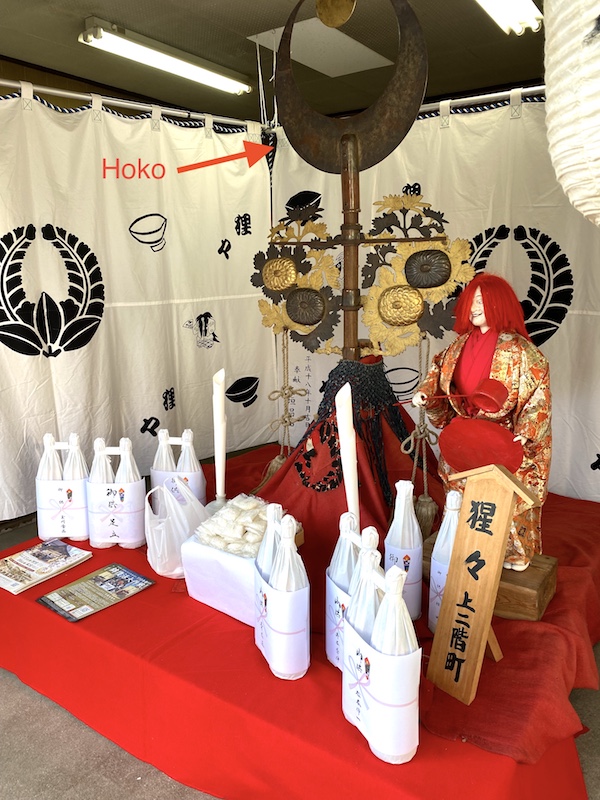
One final aside. Because the main street in town still has electrical wires criss-crossing its entire length, there is a tall crown which must be removed from the portable shrines. They are called 'hoko' and are displayed in storefronts along the way. They look like the one pictured here.
The sub-title of my newest book begins “Anecdotes on the People and Culture of Contemporary Japan …”
Here are a few anecdotes which will give you phenomenal insights into the remarkably high ethical standards and general character of the Japanese people.
• • •
A friend of mine, originally from New Zealand but who lives in Japan, left her latest model Macbook Pro in a train station ladies room. For two hours! She had left it on the counter while she washed her hands and forgetfully walked out without it. By the way, this was one of the busiest hubs in Japan, the Umeda JR Station in Osaka. That restroom has hundreds of people going through it every hour. She got quite a ways along on her trip back here to Sasayama, remembered, jumped off, and immediately got on a train back to Osaka. She found her laptop right where she left it. Yes … two hours later!
• • •
Every year in October, we have here in Sasayama the Festival of the Portable Shrines. It’s one of my favorites!
A gentleman arrived here from Kobe, which is about an hour away. He came to purchase black beans, an item my home town is famous for, but when the moment came to pay, he discovered his wallet was missing.
There are no pickpockets around here, so obviously he had dropped his wallet somewhere in town.
He went to the nearest Koban. There are several here in Sasayama, as there are all over Japan. A Koban is a mini-police station. In Japan, it’s considered an integral part of a functioning community. The Koban is to make sure there are friendly cops in the neighborhood to address problems which come up in the local area, situations just like this.
The policeman on duty took a report, then got on the phone. He called all the other Kobans in the immediate area, anywhere close to where the gentleman had parked his car, before walking into the main part of town for the festivities.
He passed along the man’s name and a description of the wallet. Now get this …
While the officer was on the phone with another Koban, someone walked in with the wallet and handed it to the policeman on duty there.
The gentleman from Kobe then walked the short distance to the other Koban, and retrieved his wallet. The contents — credit cards, ID, cash — were intact. Not a single item had been taken.
• • •
One Sunday many months ago, we went to, Rurikei, our favorite local onsen. This is one of the great joys of living here in Japan and we try to go often (see next section).
Anyway, I left my hair brush in the mens locker room. This was not a family heirloom. This was an 89 cent piece of plastic, dirty and full of my hair from use over many months. The only thing it had going for it was that it was a pleasant shade of lavender.
Five weeks later, we returned to the hot springs. On some impulse — my synapses tend to fire randomly at times — I asked at the counter if they had a purple hair brush in their lost-and-found box. Stupid me. I was thinking they had a cardboard box behind the desk. The clerk asked when I thought I had lost it. That was easy. Maybe four or five weeks ago? He stepped into the facility’s main office, consulted with someone, then returned with my 89-cent hair brush, safely contained in a sealed plastic bag with a label. On the label was the date I left it in the locker room.
• • •
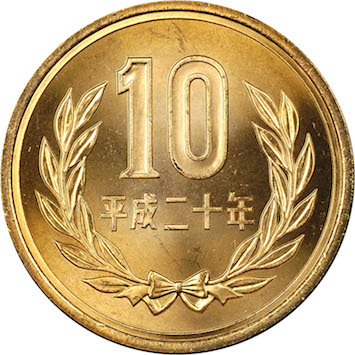
Masumi reminded me of this story, one I had forgotten. One day we went to Japan Post to mail a package to the U.S. — I think it was one of my novels, sent off for a review. Shortly after we returned, the phone rang. It was the clerk who had waited on me at the post office. She first apologized. She had made a mistake and overcharged me. She was so sorry this happened! It was an honest mistake and would be happy to refund the money. How much was it? 10 yen. Unbelievable! Do you know how much 10 yen is at current exchange rates? 9.44 cents!
What did I do? I did what any red-blooded American would do in the face of such incompetence! I went to the post office with my AR-15 and shot the place up. I didn’t kill anyone, though obviously I could hardly be blamed if I had. But when I got done, the place looked like one of the Twin Towers on September 12!
Okay. Obviously, I made that up. The truth was, I was speechless. 10 yen? After I stopped laughing — pleasant, joyful laughing — I had Masumi tell the clerk all was forgiven and she could keep the 10 yen. I think you can probably buy a lollipop somewhere for 10 yen.
• • •
I could go on and on. For example, in the news several months ago, there was the story of a person who had found a satchel on a park bench with over 5 million yen (that’s $50,000 cash) and no identification of any kind in or on the bag. It was promptly turned into the police.
I’m not going to moralize. Draw your own conclusions.
But by seeing such extreme honesty here, I see what has happened to my own country. I’m not pointing fingers. I see it in my own thinking. It’s been quite an adjustment for me. After all, I grew up in a tug-of-war between what I was taught at home, school and church, and real world a prioris: ‘Finders keepers losers weepers.’ ‘It’s every man for himself.’ ‘If I don’t take it someone else will.’
As a kid, often it wasn’t a question of right or wrong, but a question of whether we’d get caught.
I will say that dishonesty, regardless of how minor or seemingly insignificant, is a slippery slope. The Japanese have chosen to avoid taking even the first step.
I openly admit, it’s resulted in a huge paradigm shift for me. It’s required an enormous adjustment. But an extremely rewarding one. Just imagine … being able to trust other people. What a concept!
Understand: This extreme level of honesty and respect for the property of others I’m describing here is not an anomaly. It’s the norm. And it’s nothing new.
My American friend, Scott Burley, recently emailed me about his brief but rewarding experiences visiting Japan. He included this story:
My girlfriend who I met sophomore year … went on a student exchange program to Tokyo for her junior year and went to school over there. She was 1/2 Japanese and 1/2 Czech and her parents were both Japanese — her mother must have married a Czech before her step father. So around Christmas I flew to Tokyo when she had Christmas break and we spent three weeks traveling by train … my girlfriend left her purse at a bus stop. I went back to look for it and it was gone. After we got back to Tokyo, one day her purse arrived in the mail. Only in Japan!
That was back in 1973. Some things don’t change here.
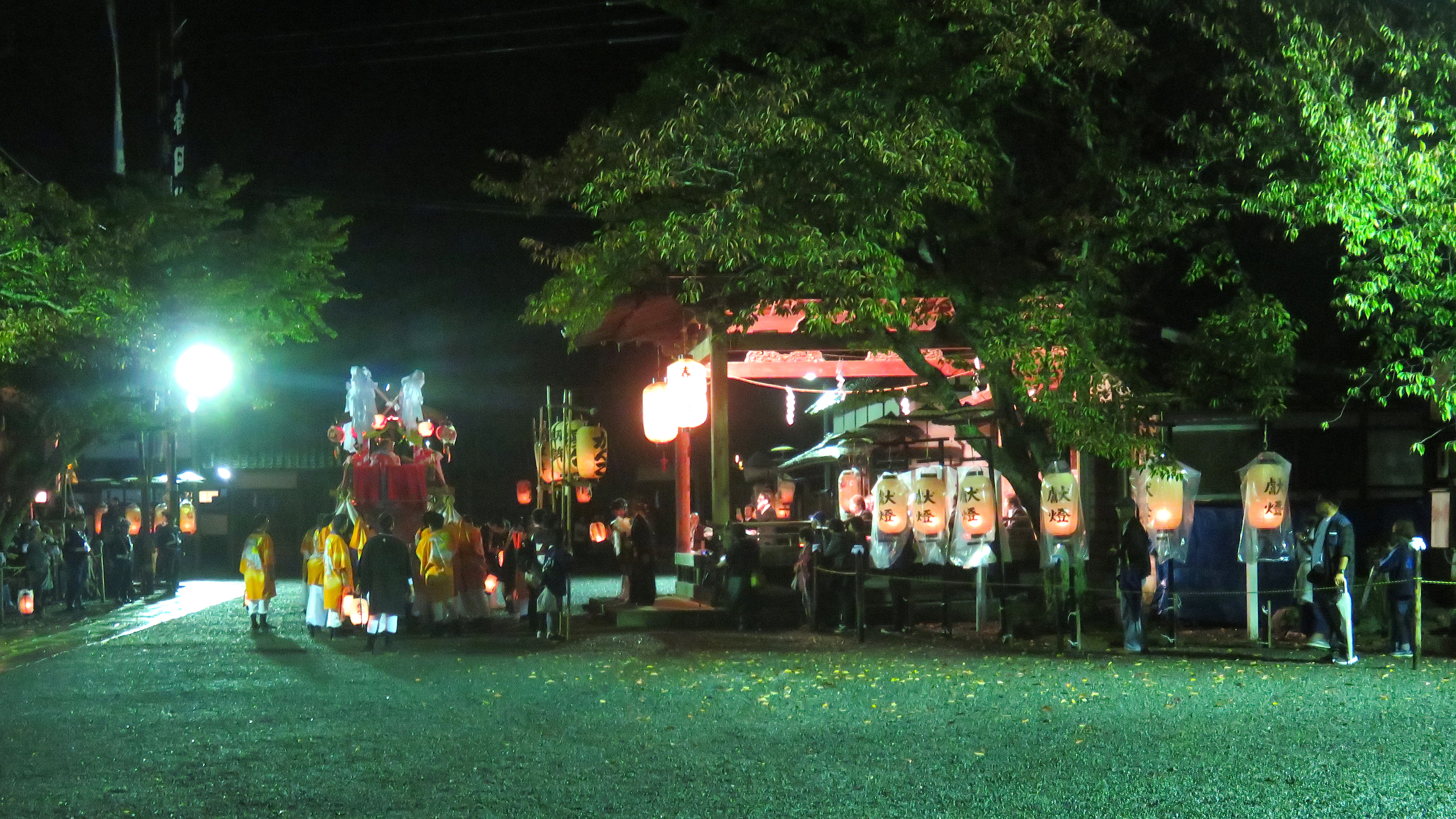
Every year during the third week in October we have a most unique and marvelous festival here called the Festival of the Portable Shrines.
I don't exactly know either its "purpose" or how to describe it. Hopefully the photos and video will offer some idea what an exhilarating two days we have here in Tambasasayama, as the streets fill with colorful costumes, huge shrines either on wheels or being carried by the heartier men -- many of whom are extremely inebriated on local sake -- and visitors from all over who come to enjoy the festivities.
We see a lot of unfamiliar faces. This festival coincides with the soybean harvest, and our town is known for having the most delicious soybeans in Japan. So we see Japanese from all the surrounding prefectures -- the Japanese equivalent of states in the U.S. -- even from as far as Tokyo, which is over 500 kilometers (320 miles) away. There's also a decent mix of Westerners in town. ALTs -- Assistant Language Teachers who typically teach English in the area junior and senior high schools -- converge from the entire region. This is also the time that the exchange students arrive from Walla Walla, Washington -- which is Tambasasayama's sister city in the U.S. -- to experience a two weeks concentrated dose of Japanese culture.
And here's a short video compilation from just last week.
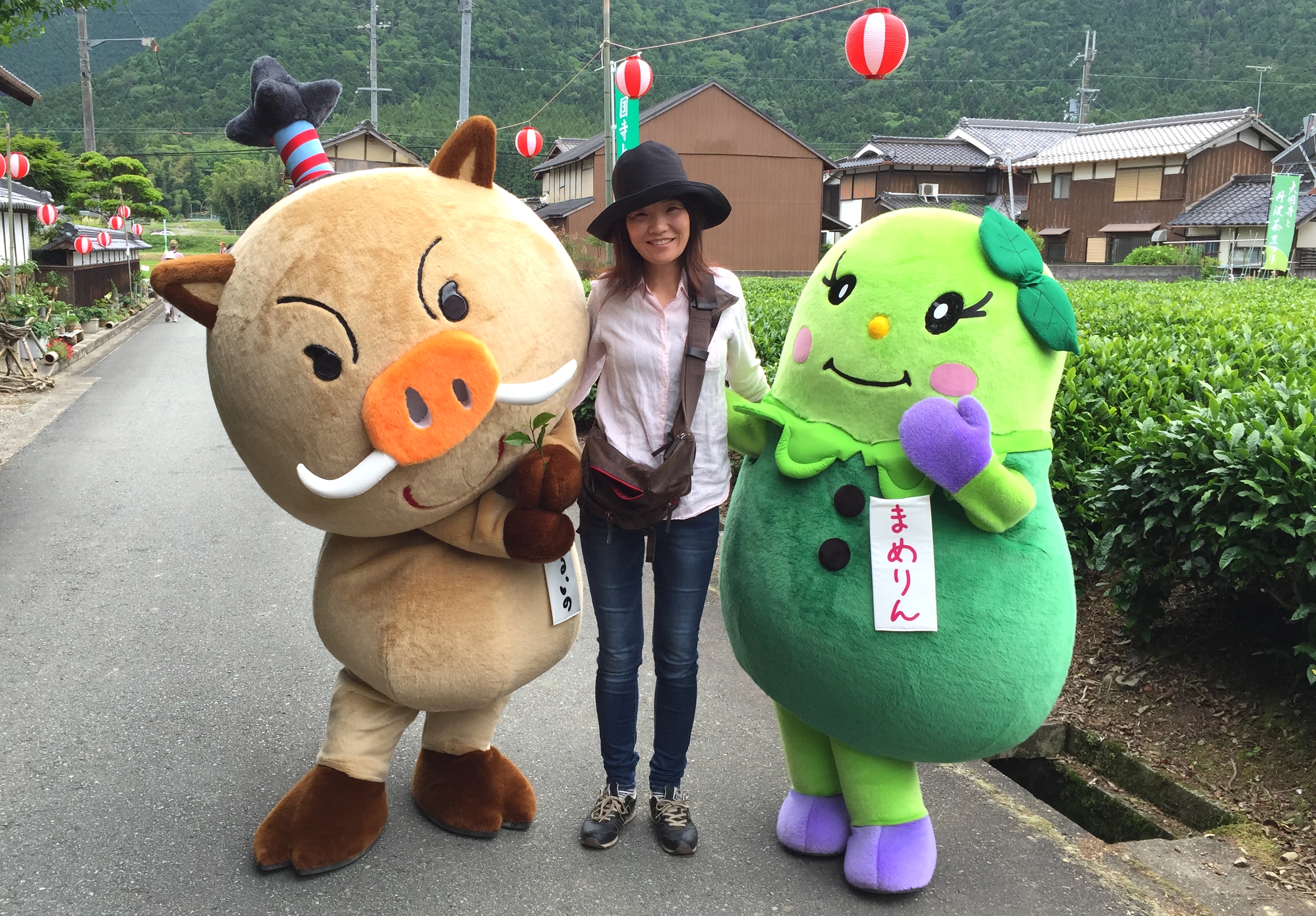
Masumi at the Daikokuji Tea Festival
While Japan is called The Land of the Rising Sun, my personal preference actually would be The Land of the Festivals. The entire calendar is littered with fascinating, extremely entertaining, family-oriented festivals.
I can think of no equivalent in the U.S. to what goes on here. Yes, we have rock festivals and various other extravaganzas. But they are very specific to a type of event and usually local. Here in Japan, the festivals are both a local and a national phenomenon.
Festival of the Portable Shrines
Some local festivals are unique to a town or region. Here in Sasayama, we have the Wild Boar Festival that fits into that category. Not really too many wild boars running loose in Osaka or Tokyo that I know of. We also have our Black Bean Festival, because Sasayama is renowned across Japan for the quality of its soybeans (black beans are soybeans which have ripened and dried on the vine and are black in color).
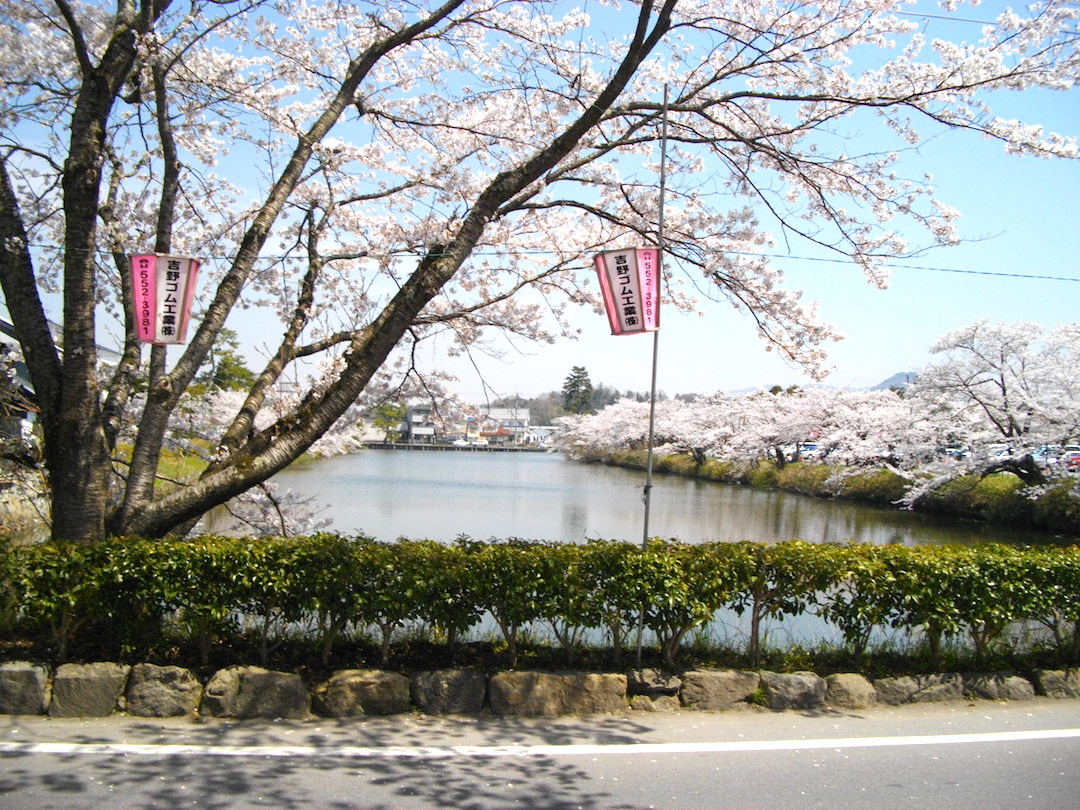
Cherry Blossom Festival
The big festivals are national. Yes each locale or region has a celebration. But the festival being celebrated usually is being celebrated across all of Japan at the same time. Examples of this are the Cherry Blossom Festival early April and the Festival of the Portable Shrines in late October.
Obon is yet another national celebration, actually an annual Buddhist event first half of August, commemorating one's ancestors. It is one of the three busiest times of the year in Japan for travel and taking a holiday break. Everywhere in Japan, there are Obon festivals being held.
This year, my wife Masumi and I headed north to Tohoku for two weeks of camping and attending some of the most famous of these Obon events in the country.
Everywhere we went, there were fireworks, parades, singing and dancing. Here are a few of the highlights.
Aomori
This is reputed to be one of the most spectacular festivals in Japan. The giant internally-lit paper floats are astonishing. The crowd is rowdy -- well, as rowdy as it gets here in Japan -- the drumming tribal. Quite a show!
Yamagata
This was my favorite festival. The participants sang and danced. I loved the song they were singing. The costumes, the choreography, the town itself ... superb!
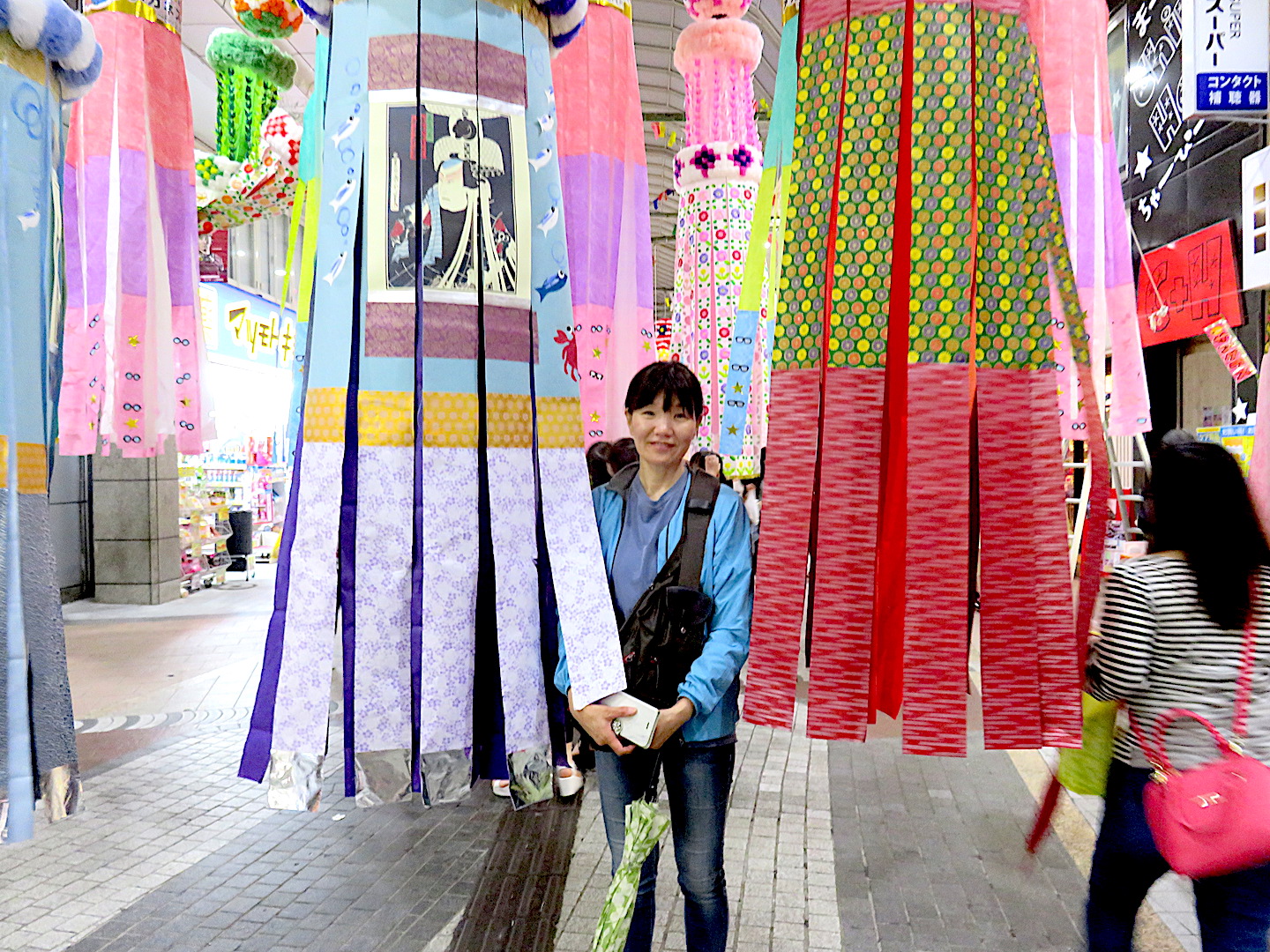
Sendai
Sendai -- famous for its proximity to Fukushima -- was more of a gallery affair than a rollicking good-time festival. Hanging in the promenades which are ubiquitous in urban settings here in Japan were beautiful hanging paper sculptures, literally thousands of them.
We returned from our excursion just in time for the Dekansho Festival, this one unique to our town and one of my favorite local annual events. The music is traditional and live, and everyday folks perform the Dekansho folk dance. The event celebrates the harvesting of the rice and is hundreds of years old, representing the long agricultural roots of this community.
Every year in October, we have here in Sasayama -- my hometown -- the Festival of the Portable Shrines. It's one of my favorites!
It coincides with the black bean harvest. Soybeans are called black beans because if they are left on the vine, they turn black and harden, making them easy to store and use over the coming year.
The town is famous over much of Japan for the quality of its black beans. This means that the weekend of the festival, Sasayama is flooded with tourists.
A gentleman arrived here from Kobe, which is about an hour away. He came to purchase black beans, but when the moment came to pay, he discovered his wallet was missing.
There are no pickpockets here, so obviously he had dropped it somewhere in town.
He went to the nearest Koban. There are many here in Sasayama, as there are all over Japan. A Koban is a mini-police station. In the U.S. there is much lip service given to community policing, having friendly cops in the neighborhood to address problems which come up in the local area. In Japan, it's a reality and an integral part of a functioning community.
The policeman on duty -- considering Kobans are, despite being extremely useful and efficient, very limited affairs, often just a two-room building with one parking space for a patrol car, there was probably only one or at the most two officers there -- took a report, then got on the phone. He called all the other Kobans in the immediate area, anywhere close to where the gentleman had parked his car, then walked into the main part of town.
He passed along the man's name and a description of the wallet.
Now get this . . .
While he was on the phone with another Koban, someone walked in with the wallet and handed it to the policeman on duty there.
The gentleman from Kobe walked the short distance to the other Koban, and retrieved his wallet.
The contents -- credit cards, ID, cash -- were intact. Not a single item had been stolen.
I'm not going to moralize. Draw your own conclusions. Imagine dropping your wallet wherever you live and decide how the story would have ended.
I'll say it again . . . I love Japan!
[ This originated at the author's personal website . . . http://jdrachel.com ]