Showing posts with label honesty. Show all posts

Sunday, January 30, 2022

It Is What It Isn’t

They say money makes the world go round. Actually the world makes money go round.

They say the truth will set you free. Ask Julian Assange about that.

Liberals are the messengers of a progressive vision for the future, which is why they embrace war, promote lies about Russia and China, and look to the CIA and other intelligence agencies for guidance and protection.

Conservatives believe in the rock-solid principles of individuality, less government interference and control, and fiscal responsibility, as they demand the government run up colossal deficits to subsidize them and protect their businesses from competition.

The U.S. is the beacon of democracy, respect for the rule of law, self-determination and citizen empowerment in the world, which is why it topples other governments, removes democratically-elected leaders and replaces them with despots.

We have policing by media watchdogs to stamp out fake news, and that effort has itself become fake news.

We must go to war to guarantee the peace. Do I even have to unpack that one to show how patently absurd it is?

I could go on. But the point is, any and all interaction or communication among individuals is predicated on the idea that everyone is acting in good faith, that to the best of their abilities, people are being forthright and honest. Absolutely nothing can be discussed or agreed upon if the parties to the discussion are lying.

Yet, the bar has sunk so low, we now ASSUME others are being deceptive. The idea of an honest politician is an oxymoron. We expect everyone to be bending the truth as far as they can get away with it. We are considered foolish and reckless if we’re not constantly on guard, incredulous, suspicious, always looking for the “angle”, trying to figure out what’s really being said, or what the hidden agenda is. In more innocent times, we could easily spot the exaggeration, the “white lie”, the “friendly persuasion” going down. White lies are now every shade of gray, and public announcements a blurry opaque fog, a smoke screen in a house of mirrors.

Yes, we’re buried in mountains of bullsh*t, propaganda, fake this, fake that, deep fakes, false flags, manufactured crises. Lies are flaunted openly with brash impudence and total impunity, even celebrated. Being a great liar, if not openly lauded, seems to be quietly admired. There are best-selling books on how to jockey, manipulate, deceive, con your way to the top. Success justifies anything it takes to get there. When our “The Art of the Deal” 45th POTUS was caught telling 504 lies in a single day, I frankly wasn’t sure how we were supposed to react. Frown? Get angry? Shake our heads in disbelief? Nod and chuckle? Shrug and check the sports page?

Which makes what I do truly a thankless task, an exercise in futility. I actually try to the best of my ability to be truthful, accurate, informative. As do a host of others whom I religiously follow and admire. Most of the criticism I get are attacks on my integrity, questions about my “real motives”, speculations about my hidden agenda, allegations questioning my affiliations and loyalties. No one bothers to talk about the ideas.

That’s the world we live in. It is what it isn’t. It’s probably not what it appears to be. Truth is relative. Facts belong to the highest bidder.

Tragically, I concede: it’s not harsh to criticize someone for not believing anything anymore. At one time, being so closed-minded, so obdurate, so impregnable, so pig-headed, would be judged cynical, negative, pessimistic. Now it’s considered practical, necessary for survival, the only way to deal with the reality of post-modern dystopia.

Truth is negotiable.

A man’s word is worthless.

Scientists and politicians are for sale.

And good luck trying to fix it.

Because you’re on your own.

Seriously, who can you trust?

So … is there a solution to this mess? Anything we can do to reverse this descent into cognitive chaos?

If I told you, would you believe me?

I might just be peddling a bunch of lies.


[ This originated at the author's personal website . . . https://jdrachel.com ]


It Is What It Isn’t | John Rachel


Sunday, September 13, 2020

Life In Japan: Awe-Inspiring Extreme Honesty | John Rachel

The sub-title of my newest book begins “Anecdotes on the People and Culture of Contemporary Japan …”

Here are a few anecdotes which will give you phenomenal insights into the remarkably high ethical standards and general character of the Japanese people.

•  •  •

Text Box:

A friend of mine, originally from New Zealand but who lives in Japan, left her latest model Macbook Pro in a train station ladies room. For two hours! She had left it on the counter while she washed her hands and forgetfully walked out without it. By the way, this was one of the busiest hubs in Japan, the Umeda JR Station in Osaka. That restroom has hundreds of people going through it every hour. She got quite a ways along on her trip back here to Sasayama, remembered, jumped off, and immediately got on a train back to Osaka. She found her laptop right where she left it. Yes … two hours later!

•  •  •

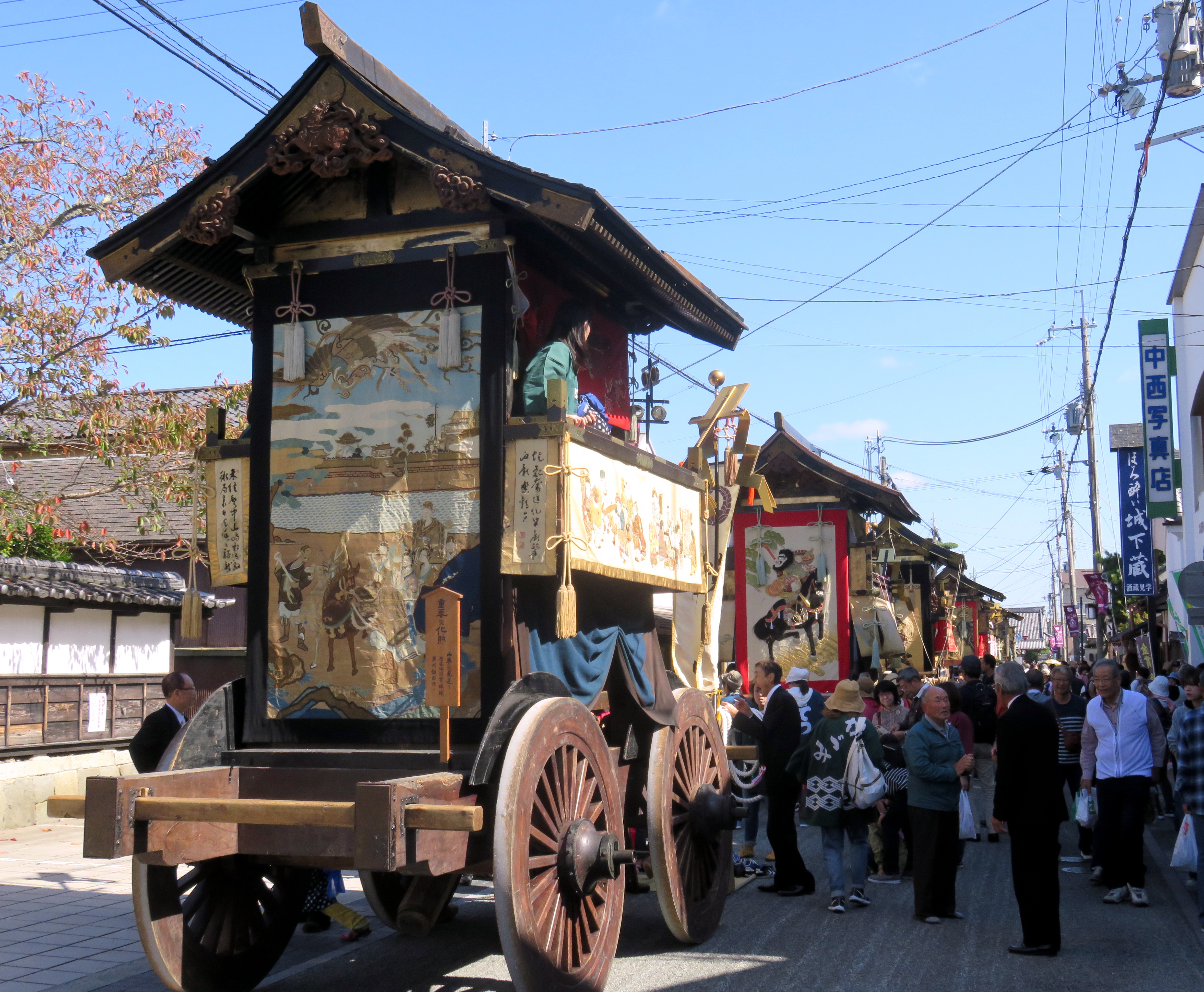
Every year in October, we have here in Sasayama the Festival of the Portable Shrines. It’s one of my favorites!

Text Box:

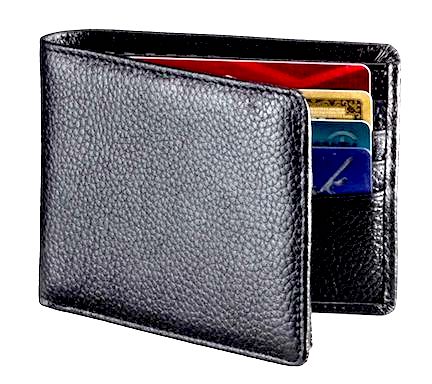
A gentleman arrived here from Kobe, which is about an hour away. He came to purchase black beans, an item my home town is famous for, but when the moment came to pay, he discovered his wallet was missing. 

There are no pickpockets around here, so obviously he had dropped his wallet somewhere in town.

He went to the nearest Koban. There are several here in Sasayama, as there are all over Japan. A Koban is a mini-police station. In Japan, it’s considered an integral part of a functioning community. The Koban is to make sure there are friendly cops in the neighborhood to address problems which come up in the local area, situations just like this.

The policeman on duty took a report, then got on the phone. He called all the other Kobans in the immediate area, anywhere close to where the gentleman had parked his car, before walking into the main part of town for the festivities.

He passed along the man’s name and a description of the wallet. Now get this …

While the officer was on the phone with another Koban, someone walked in with the wallet and handed it to the policeman on duty there.

The gentleman from Kobe then walked the short distance to the other Koban, and retrieved his wallet. The contents — credit cards, ID, cash — were intact. Not a single item had been taken.

•  •  •

One Sunday many months ago, we went to, Rurikei, our favorite local onsen. This is one of the great joys of living here in Japan and we try to go often (see next section).

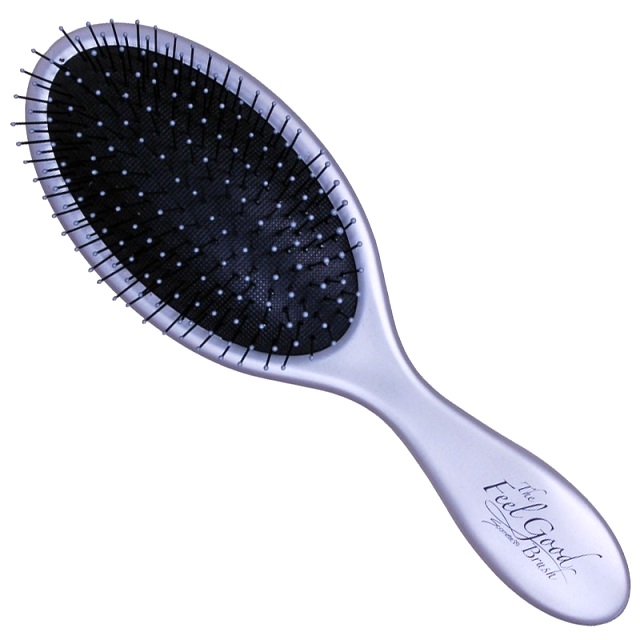
Anyway, I left my hair brush in the mens locker room. This was not a family heirloom. This was an 89 cent piece of plastic, dirty and full of my hair from use over many months. The only thing it had going for it was that it was a pleasant shade of lavender.

Five weeks later, we returned to the hot springs. On some impulse — my synapses tend to fire randomly at times — I asked at the counter if they had a purple hair brush in their lost-and-found box. Stupid me. I was thinking they had a cardboard box behind the desk. The clerk asked when I thought I had lost it. That was easy. Maybe four or five weeks ago? He stepped into the facility’s main office, consulted with someone, then returned with my 89-cent hair brush, safely contained in a sealed plastic bag with a label. On the label was the date I left it in the locker room.

•  •  •

Text Box:

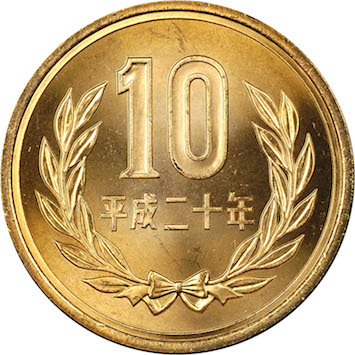
Masumi reminded me of this story, one I had forgotten. One day we went to Japan Post to mail a package to the U.S. — I think it was one of my novels, sent off for a review. Shortly after we returned, the phone rang. It was the clerk who had waited on me at the post office. She first apologized. She had made a mistake and overcharged me. She was so sorry this happened! It was an honest mistake and would be happy to refund the money. How much was it? 10 yen. Unbelievable! Do you know how much 10 yen is at current exchange rates? 9.44 cents!

What did I do? I did what any red-blooded American would do in the face of such incompetence! I went to the post office with my AR-15 and shot the place up. I didn’t kill anyone, though obviously I could hardly be blamed if I had. But when I got done, the place looked like one of the Twin Towers on September 12!

Okay. Obviously, I made that up. The truth was, I was speechless. 10 yen? After I stopped laughing — pleasant, joyful laughing — I had Masumi tell the clerk all was forgiven and she could keep the 10 yen. I think you can probably buy a lollipop somewhere for 10 yen.

•  •  •

I could go on and on. For example, in the news several months ago, there was the story of a person who had found a satchel on a park bench with over 5 million yen (that’s $50,000 cash) and no identification of any kind in or on the bag. It was promptly turned into the police.

I’m not going to moralize. Draw your own conclusions.

But by seeing such extreme honesty here, I see what has happened to my own country. I’m not pointing fingers. I see it in my own thinking. It’s been quite an adjustment for me. After all, I grew up in a tug-of-war between what I was taught at home, school and church, and real world a prioris: ‘Finders keepers losers weepers.’ ‘It’s every man for himself.’ ‘If I don’t take it someone else will.’

As a kid, often it wasn’t a question of right or wrong, but a question of whether we’d get caught.

I will say that dishonesty, regardless of how minor or seemingly insignificant, is a slippery slope. The Japanese have chosen to avoid taking even the first step.

I openly admit, it’s resulted in a huge paradigm shift for me. It’s required an enormous adjustment. But an extremely rewarding one. Just imagine … being able to trust other people. What a concept!

Understand: This extreme level of honesty and respect for the property of others I’m describing here is not an anomaly. It’s the norm. And it’s nothing new.

My American friend, Scott Burley, recently emailed me about his brief but rewarding experiences visiting Japan. He included this story:

My girlfriend who I met sophomore year … went on a student exchange program to Tokyo for her junior year and went to school over there. She was 1/2 Japanese and 1/2 Czech and her parents were both Japanese — her mother must have married a Czech before her step father. So around Christmas I flew to Tokyo when she had Christmas break and we spent three weeks traveling by train … my girlfriend left her purse at a bus stop. I went back to look for it and it was gone. After we got back to Tokyo, one day her purse arrived in the mail. Only in Japan!

That was back in 1973. Some things don’t change here.

Sometimes it’s best when they don’t.


[ This originated at the author's personal website . . . https://jdrachel.com ]


Life In Japan: Awe-Inspiring Extreme Honesty | John Rachel


Monday, October 22, 2018

Life In Japan: A Lost Wallet


Every year in October, we have here in Sasayama -- my hometown -- the Festival of the Portable Shrines.  It's one of my favorites!

It coincides with the black bean harvest.  Soybeans are called black beans because if they are left on the vine, they turn black and harden, making them easy to store and use over the coming year.
The town is famous over much of Japan for the quality of its black beans.  This means that the weekend of the festival, Sasayama is flooded with tourists.

A gentleman arrived here from Kobe, which is about an hour away.  He came to purchase black beans, but when the moment came to pay, he discovered his wallet was missing.

There are no pickpockets here, so obviously he had dropped it somewhere in town.

He went to the nearest Koban.  There are many here in Sasayama, as there are all over Japan.  A Koban is a mini-police station.  In the U.S. there is much lip service given to community policing, having friendly cops in the neighborhood to address problems which come up in the local area.  In Japan, it's a reality and an integral part of a functioning community.

The policeman on duty -- considering Kobans are, despite being extremely useful and efficient, very limited affairs, often just a two-room building with one parking space for a patrol car, there was probably only one or at the most two officers there -- took a report, then got on the phone.  He called all the other Kobans in the immediate area, anywhere close to where the gentleman had parked his car, then walked into the main part of town.

He passed along the man's name and a description of the wallet.

Now get this . . .

While he was on the phone with another Koban, someone walked in with the wallet and handed it to the policeman on duty there.

The gentleman from Kobe walked the short distance to the other Koban, and retrieved his wallet. 

The contents -- credit cards, ID, cash -- were intact.  Not a single item had been stolen.

I'm not going to moralize.  Draw your own conclusions.  Imagine dropping your wallet wherever you live and decide how the story would have ended.

I'll say it again . . . I love Japan!


[ This originated at the author's personal website . . . http://jdrachel.com ]


Life In Japan: A Lost Wallet


Tuesday, January 30, 2018

Life In Japan: Bicycle Theft

 
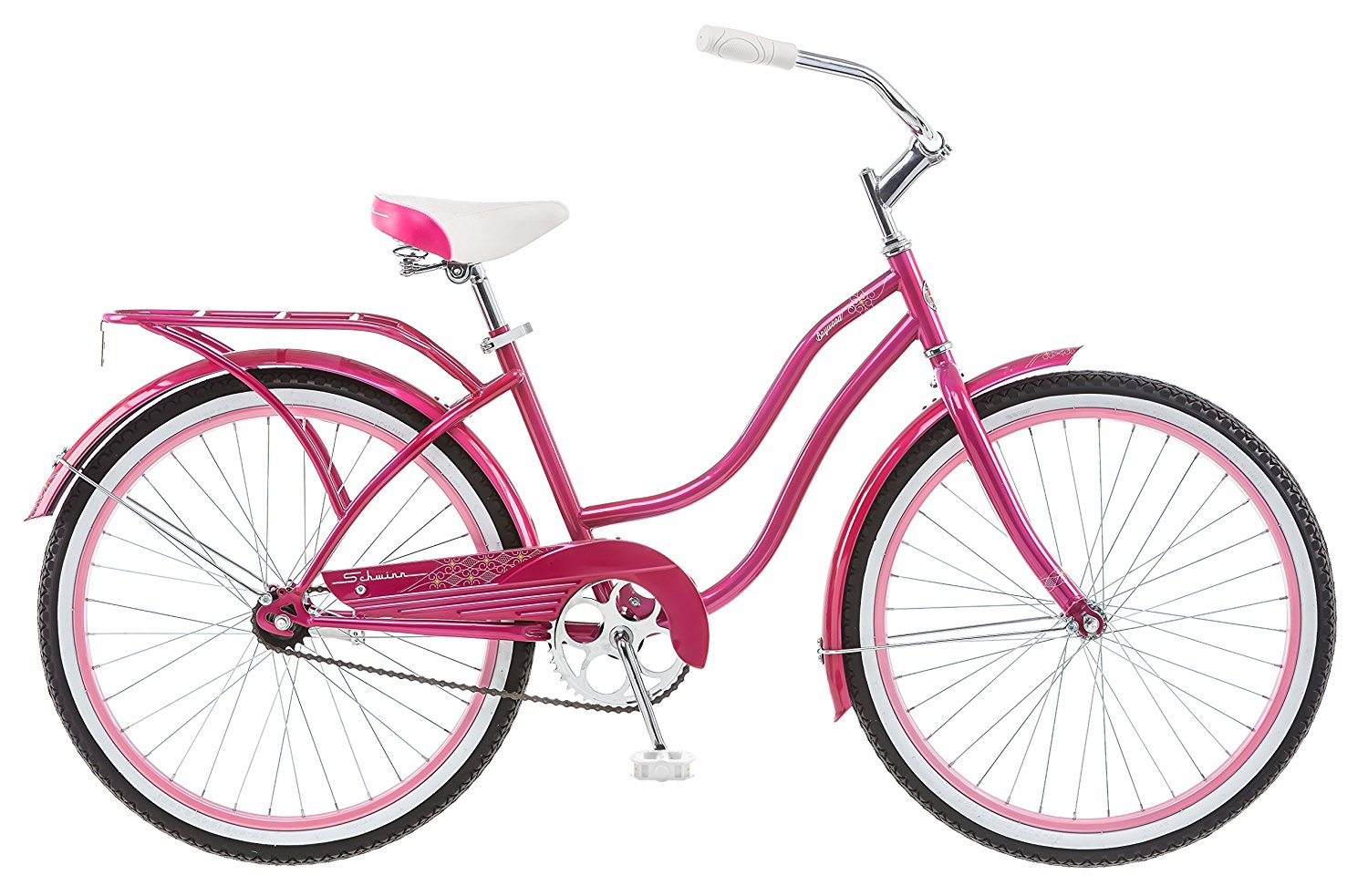
This is your basic girls bike here in Japan.

Yes, they sell Schwinn, an "American" bicycle, manufactured of course in China.  But there is quite a selection based on this standard model.  They cost between $50 and $150.  The pictured one is pretty fancy.  Pink adds at least $50 to the sale price.

I'm going to talk about something which recently happened here, not that far from where I live, maybe within four hours driving.  I seriously doubt if the bike involved was anywhere near as high-end as the pink beauty pictured.  But it certainly looked something like this, being a basic boilerplate ride-to-school-and-back bike.  They're ubiquitous here.

It's EXTREMELY rare.  But a girl who lived in Shikoku had her bike stolen.

She reported it to the police.  Seriously . . . she did!  That's what you do in Japan.

It's not as far-fetched as it sounds.  All bikes must have a registration tag.  A couple years back, I was riding my bike back from the grocery store and a young police officer on a motor scooter stopped me, looked at my tag, thanked me, and drove merrily away.

Anyway, a month later, the school girl got a call from a police department northeast of Osaka.  They had found her bike, and wanted to get it back to her.  The young lady was understandably very happy!  She told the police that she had an aunt who lived in Akashi.  If they could arrange to bring the bike there, she could pick it up.

The police welcomed the suggestion.  They were much closer to Akashi than the little town the girl lived in on Shikoku Island.

Next day, they personally delivered the bike to the girl's aunt in Akashi, a trip which took nearly two hours each way, a total of almost four hours of their valuable police time.

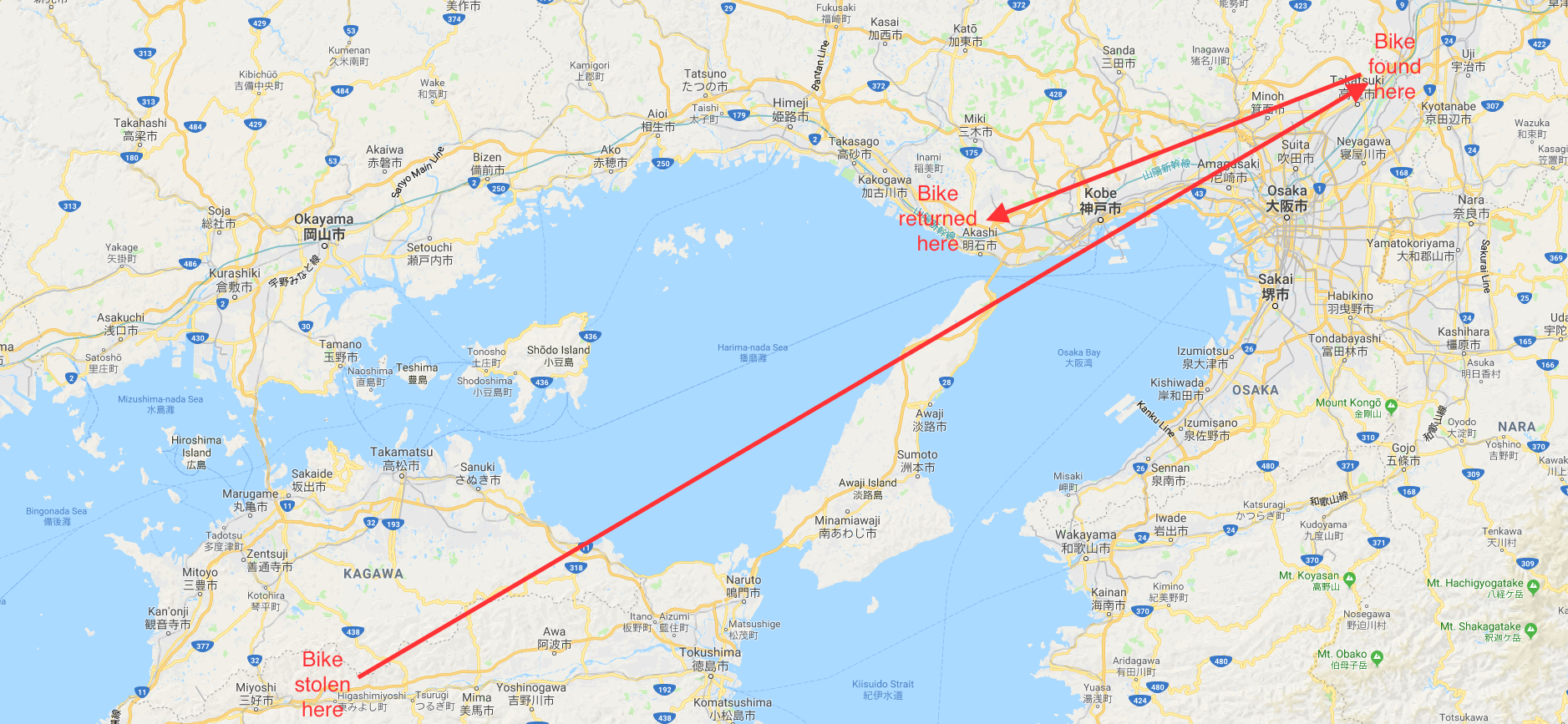
I want to put this in perspective, especially the distances involved.  Here's a map.


Mind you, while Shikoku is sparsely populated, the entire area around Osaka is quite congested.  Two hours is not excessive, considering traffic, having to locate the aunt's residence, etc.  And to return it to the girl's home town would have been close to four hours each way.

The most significant point is that the bike turned up 219 km (136 miles by car) from where it was stolen.  The police officers at this distant location tracked down the owner via the ID tag, and personally made sure the bike got back to her.

I don't know if this is blowing your mind or not.  I've lived here on and off for over ten years and this type of thing still leaves me slack-jawed.

Granted, in a small town like Elizaville, Indiana or Wanblee, South Dakota, I can imagine someone telling the sheriff about a stolen bike.  But for most Americans -- over 80% live in urban areas -- the thought of going to the police about a stolen bike seems absurd.

"You want to report a what?  Listen, buster.  While you've been standing here teary-eyed, telling me about your $50 bike, we've had two shootings, three car jackings, some bozo dressed like Michael Jackson jumped off a bridge singing 'Beat It', and there's a 152-car traffic pile-up on the freeway because some idiot at the Department of Transportation posted a warning on all the traffic advisory signs that there was a missile carrying a hydrogen bomb incoming from North Korea.  Get a job and buy a new bike, loser!"

It's obvious, priorities are different here in Japan.  We're not in a constant frenzy, in a constant state of paranoia, convinced there are terrorists lurking in every doorway and child molesters hanging out by the monkey bars at every city park, suspicious of every individual who isn't suspicious of everyone else because obviously this person is out of touch with reality and a clear danger to the community.  People here aren't armed to the teeth, such that everyone's worried about a mass shooting, or that a minor disagreement about a parking space will result in the barrel of an AR-15 being shoved down our throat.

But it goes even deeper than that.  There's an innocence here, and a sense of honor and courtesy, a respect for the possessions of others.  So much so that a bicycle theft is truly out-of-the-ordinary.  And thus it warrants extraordinary response by the authorities.

No country is perfect.  Japan has many issues as well.  There is still a difficult struggle with its past, its military aggression and savagery.  There is racism.  There is a bit of arrogance, a condescending attitude toward other Asian countries.  There is -- in my opinion -- a mindless, unnecessary obeisance to the U.S. in military and diplomatic matters, and a puzzling infatuation with Western culture, especially American pop culture.

No country is perfect.  But some are certainly far superior than others.

I take great comfort in knowing . . . I don't have to worry about my bike.


[ This originated at the author's personal website . . . http://jdrachel.com ]


Life In Japan: Bicycle Theft


Monday, October 7, 2013

Honor System


Lately I've been thinking quite a bit about honesty. Actually, I've been thinking about lying. Why has lying become so epidemic? Pandemic? Systemic?

As the Pulitzer Prize winning journalist Seymour Hersh put it, "The republic's in trouble, we lie about everything, lying has become the staple."

Of course, this is not just in America. Travel through Third World and less developed countries and you get a lion's share of deceit from all directions. I couldn't walk down a street in Jaipur, India or Ho Chi Minh City, Vietnam without having somebody with a big smile and a disengenuous, "My brother!", come up to me with some scam or pack of lies designed to extract as much money as possible from my wallet. But there you kind of go with the flow because 'LIE' is spelled S-U-R-V-I-V-A-L and I honestly don't think these con artists view it as lying so much as just business-as-usual.

But that's what I see in America now. Outright lies, by smooth-talking advertisers, jaded politicians, slick salesmen, Teflon CEOs, PR spokespersons, televangelists, television news anchors, big-bucks bankers, icons, celebrities and public figures of every shape and size.  Frankly, lying is not merely acceptable. It's expected! It's business-as-usual.

I guess I should just accept the new reality but I grew up in simpler times. And it's not like this everywhere.

Let's get anecdotal by talking about my own conflicting gut reactions to a couple things that happened recently. Maybe you can weigh in on these, either privately or by leaving a comment below.

My wife Masumi and I were on one of those amazing no-speed-limit autobahns during our recent three weeks in Europe. We stopped at a rest area and went to our respective toilets. She came out of hers holding a women's wallet high in her hand. "Someone left this." She had looked inside and apparently it had a huge wad of cash, credit cards, etc. Repeat ... a huge wad of cash. She had closed and fastened it up. I took it, my mind was churning, but out of respect for Masumi's values walked it in to the cashier at the convenience store. For some reason I was also holding it high like it might be contagious. As the cashier saw me approach, carrying what was obviously a woman's wallet, her eyes widened in surprise __ actually shock. I handed it to her and though nearly paralyzed with disbelief that someone would actually turn it in, she took it and put it behind the counter.

Now you're probably thinking what I was thinking. Is this cashier going to empty out the hundreds of Euros and make believe she never saw it? Was I crazy for turning it in? What were the odds the absentminded lady was going to remember where she left her wallet, actually turn around and backtrack who knows how far on the autobahn to reclaim it? Since it was so full of money, the person was probably pretty well off, so what's a few hundred (or thousand) bucks, eh? If she was so stupid as to . . . etc.

You get the picture.

I'm not destitute but a few hundred Euros would have made our vacation a little sweeter. But I never hesitated about turning it in, purely out of respect for my wife.

You see, in Japan, it is inconceivable to appropriate another person's property.

An English-speaking friend of mine (she's from New Zealand) who lives in Japan left her latest model Macbook Pro in a train station ladies room. For two hours! She had left it on the counter while she washed her hands and forgetfully walked out without it. She got an hour further on her trip home, remembered, jumped off, took a train back to the station. This was in a major city and that restroom had hundreds of people going through it every hour. She found her laptop right where she left it. Two hours later!

This is the way it is here. I still find it amazing.

It's extreme in the absurd. You can drop something on the sidewalk and come back hours later and find it where you dropped it.

Think I'm exaggerating?

One Sunday many months ago, we went to our favorite local hot springs. This is one of the great joys of living here in Japan and we try to go once a month. Anyway, I left my hair brush in the mens locker room. This was not a family heirloom. This was an 89 cent piece of plastic, dirty and full of my hair from use over many months. The only thing it had going for it was that it was a pleasant shade of purple.

Five weeks later, we returned to the hot springs. On some impulse __ my synapses tend to fire randomly at times __ I asked at the counter if they had a  purple hair brush in their lost-and-found box. Stupid me. I was thinking they had a cardboard box behind the desk. The clerk asked when I thought I had lost it. That was easy. Maybe four or five weeks ago? He stepped into the facility's main office, consulted with someone, then returned with my 89 cent hair brush, safely contained in a sealed plastic bag with a label. On the label was the date I left it in the locker room.

I could go on and on. In the news several months ago, there was the story of a person who had found a satchel on a park bench with over 5 million yen (that's $50,000 cash) and no identification of any kind in or on the bag. It was promptly turned into the police.

Is your head reeling?

Now let's switch settings to America.

In 2011, my wife and I spent four weeks touring the East Coast, from New York City to Atlanta, Nashville to Philadelphia. We were on a local train coming out of Washington, DC returning to where we were staying in suburban Silver Spring, MD. On the seat opposite us, there was a nice, practically new pair of in-ear headphones someone had left behind. "Should I take those?" Her reply was straightforward enough. "No. They don't belong to you." Of course I replied, "But someone else is going to take them." Sure enough, a young man sat down, spotted the headphones, looked up at me. I shrugged. He fingered them for a while, then finally put them in his bag. In fact, I was surprised he hesitated as long as he did, seeming to be giving his decision some thought. Was he having a moral crisis or was he wondering if the person who owned them had ear herpes?

But that's the way it is.

Do I have to ask what you would do if you found an unmarked satchel with $50,000 in a park? Do I have to tell you what I would do? After all . . .

"Someone else will take it and keep the money."

"The cops at the station will just split it up."

. . . or . . .

"The cop at the counter will take it and just stuff it in his locker. He can afford that nice boat he's been dreaming about for ten years."

That's what happens to an "honor system".

Once you introduce the element of distrust, once suspicion about the honor of our fellow humans enters the equation, respect for the property of others starts to slip further into the background, finally to disappear. Once that solid door represented by the "do unto others" dictum opens a crack, it swings wide open. Then the free-for-all takes over. Then the Golden Rule becomes, "The others will do whatever they can get away with. So I'll just beat them to it."

Now so far I've been talking about property. What's that got to do with lying?

Lying is stealing.

Lying steals hope. Lying steals trust. Lying steals the future.
When we can't believe what others say, when we can't count on them to honor their words with their deeds, we can't expect what they say today to mean anything tomorrow.

On an individual level, this breeds suspicion, distrust, a circumspect attitude towards others.

On the scale of society at large, this spells decay and collapse.

When a politician or other iconic public figure lies, excusing his or her "massaging the truth" by insisting that the ends justify the means, that "if I don't lie, someone else will and then people will listen to them instead of me", it's not just a few words getting misplaced. It's not just a case as former-president Clinton likes to say, "perfection becoming the enemy of progress."

No, the truth is . . . it's the end of progress.

Because when the people we look to for advice, guidance, leadership, and a positive vision for creating the world we want for ourselves and our children, smile into the camera and lie to us, they steal our dreams.

"If I don't tell the voters what they want to hear, they won't vote for me."

I wrote a blog this past New Years Eve, I'm very proud of. It's called "Take me to your leader!" Of course, I got a lot of hate mail, threats, and vilification __ though the morons who attacked me wouldn't even know the word 'vilification' __ for reaming the current bunch of sociopaths and sycophants who hold public office. I concluded that it's been so long that the American public wouldn't recognize true leadership if it actually somehow magically appeared. Such a person would be cynically mocked as weird or naive or an idealistic space cadet.

And here is the sad thing . . .

As I think more and more about this, I wonder if it's a one-way street. I wonder if it's ever possible once we individually and collectively join this race to the moral bottom, to turn it around. I wonder if we can ever stop asking . . .

"Why shouldn't I take it? Someone else will."

"Why should I let someone else beat me to it? Why should I lose out?"

"Why should I be the sucker? I'll tell them what they want to hear. If I don't someone else will. There's no honor in being a chump."

Once we individually and collectively judge our words and actions by the lowest standard, what is to prevent that standard from being lowered even more?

I hope the lady in Germany got her wallet back. I hope the money was still in it and she took out a nice 100 euro note and gave it to the clerk behind the counter as a reward.

My trip was great, even without her money.

And I slept well.


[ This originated at the author's personal web site . . . http://jdrachel.com ]