Tuesday, March 12, 2019

Life In Japan: The Nesting Tree


We have an enormous variety of birds here in Japan.  Not just homegrown types.  Some very interesting breeds, for example, migrate from China and Siberia.  Colorful, exotic, fascinating to watch.  My house is on the edge of a forest, in a very quiet setting.  I often just sit and view them from my rear window as they come and go.

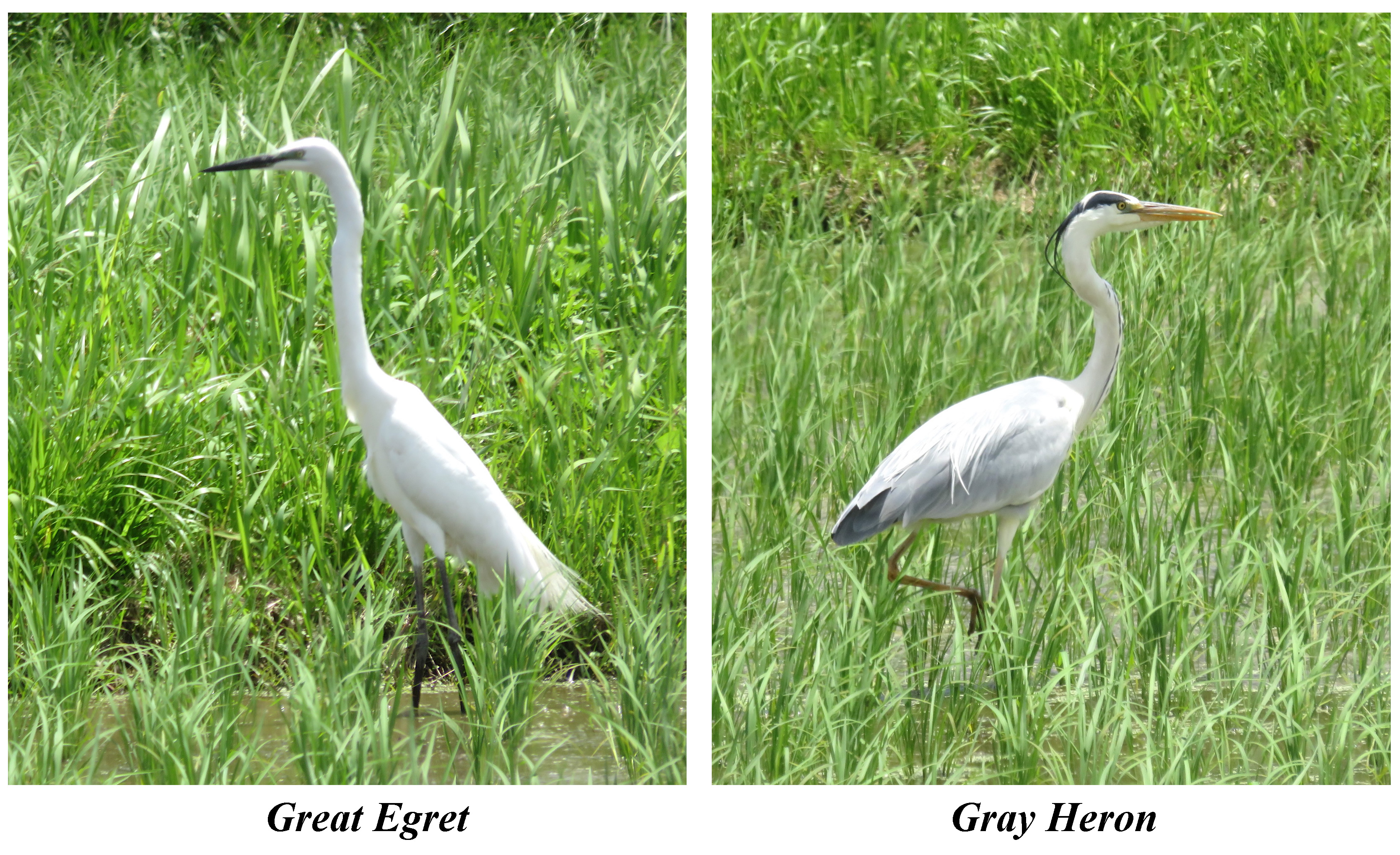
There are two large, majestic birds that most definitely migrated here many decades ago but now are permanent residents.  They can be seen everywhere, along the riverbanks, in the rice fields, soaring high overhead above our rustic town.

I'm referring to the great egrets and gray herons, which must number in the hundreds here in Sasayama.
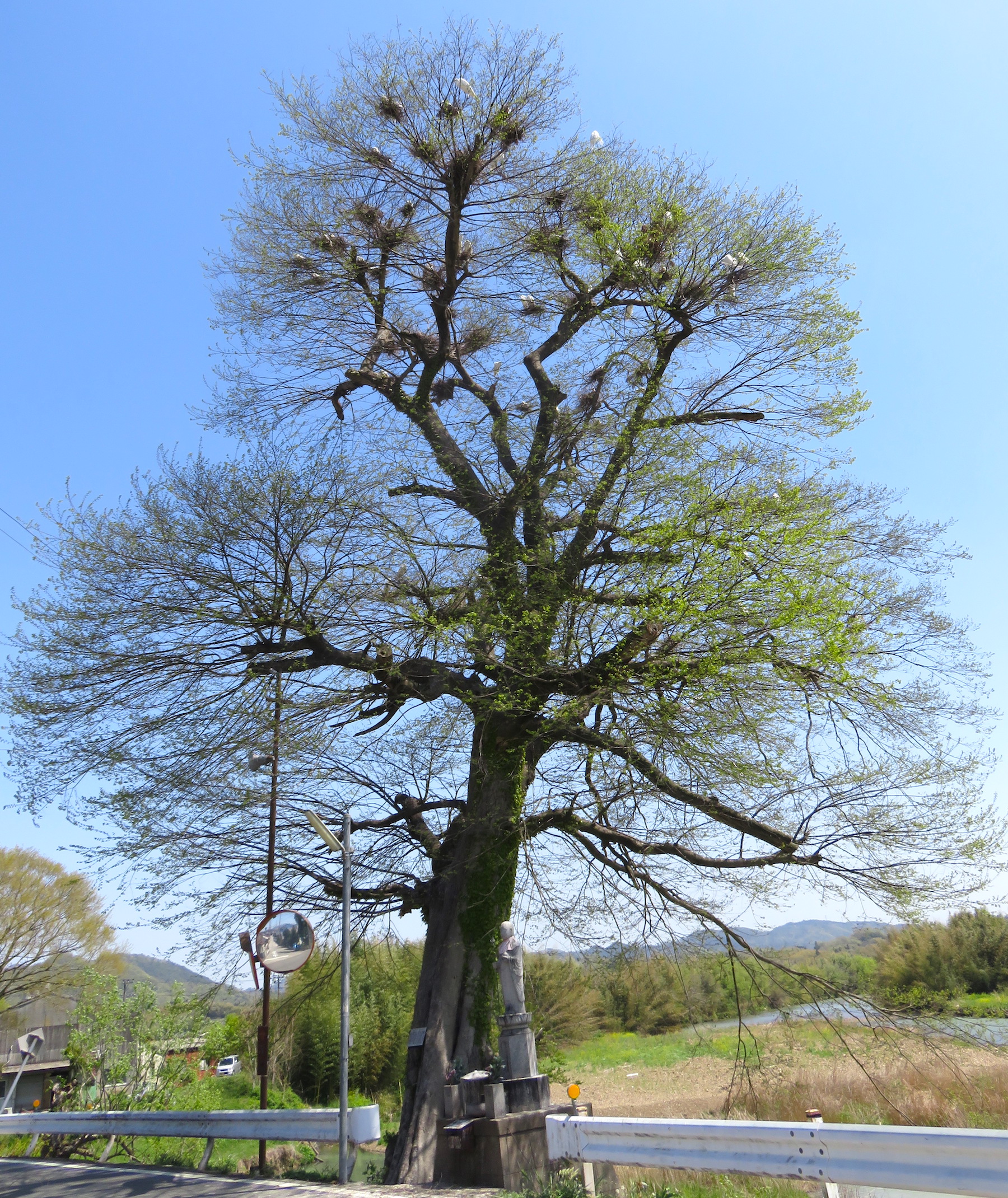
They have a nesting tree -- actually several in various locations in the region -- very close to my home.  I pass it everyday when I ride into town to buy groceries and other sundries. 

Every spring the great egrets build nests, lay eggs, and give birth to their next generation.  I've never seen any gray herons there.  I'm not certain where their maternity ward is.


Anyway, here's a short movie.  Both Tom Cruise and Bruce Willis turned me down for the lead role.  It is what it is.


[ This originated at the author's personal website . . . https://jdrachel.com ]


Life In Japan: The Nesting Tree


Saturday, March 2, 2019

Life In Japan: Persimmons

I confess.  I never saw, much less tasted, a persimmon until I came to Japan.  I must have heard the term before.  Maybe I read it in Walden Pond or some Emily Dickinson poem.  Persimmon trees definitely didn't grow where I lived in Michigan during my formative years.  Actually nothing much grew at all in Detroit other than racial tensions and poverty.

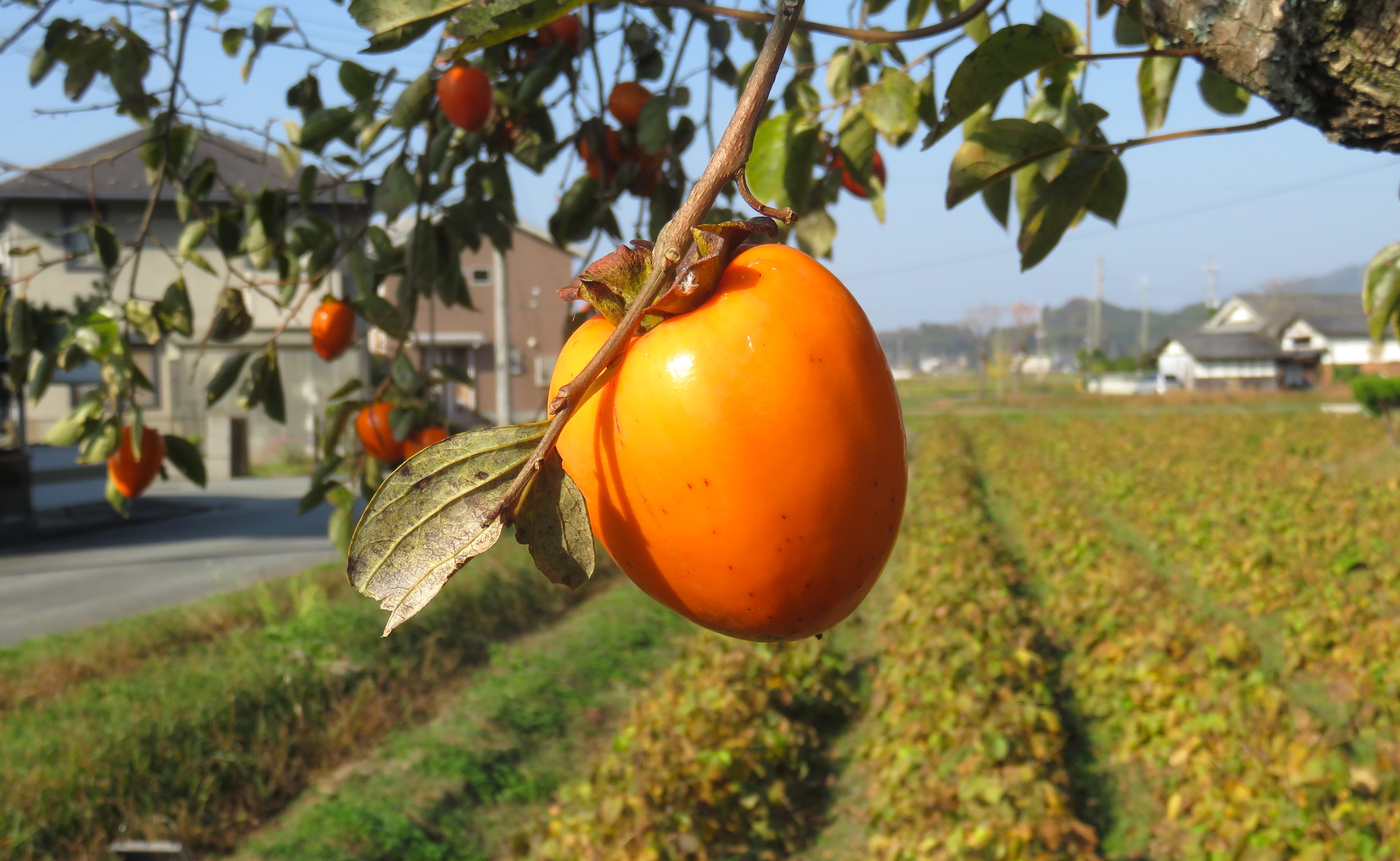
You have to be here the right time to see persimmons.  Meaning, my first time in Japan, consisting of a month in July 2007, I certainly didn't spot any.  The fruits come out in all of their orange majesty late October.  So it must have been 2008, when I was here for the entire year.


I find it very difficult to describe the flavor of a persimmon.  It's completely unique.  Of course, as a fruit it tastes like a fruit, as opposed to pork ribs or licorice.  But even as a fruit, it's different, delicious in its own special way, with a waxy skin and a crunchiness to the meat more like an apple than a banana.  Until they are very ripe, at that point turning to slime, they aren't very sweet, which is probably why Japanese people like them so much.

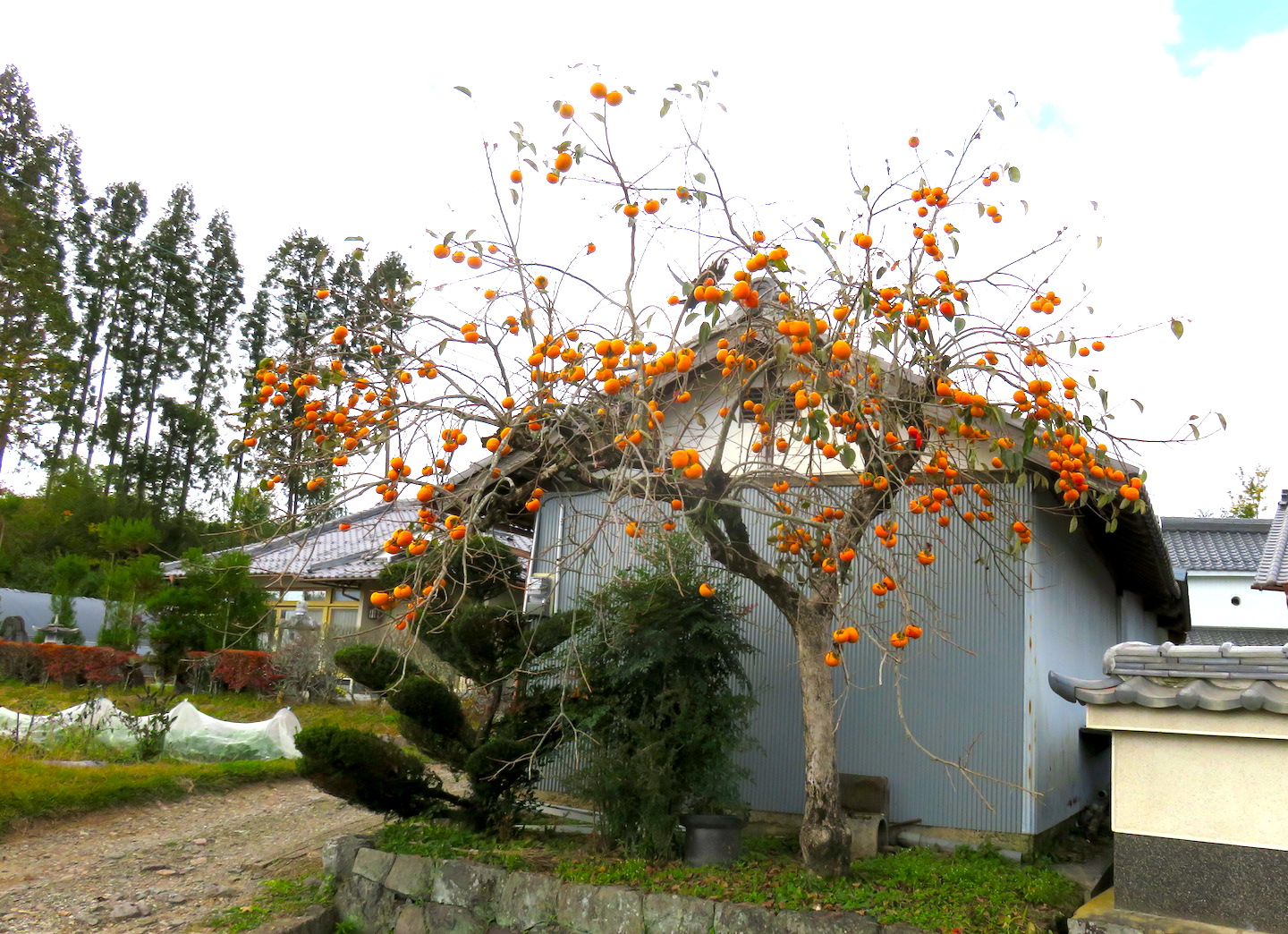
What I truly love about persimmons is the way they decorate the landscape.  Every tree becomes sort of a Christmas tree but with only orange bulbs, and obviously no flashing lights, tinsel, or star on top.


Hmm . . . usually I talk politics, philosophy, metaphysics.  And here I'm carrying on about a fruit.  Does that make me sound like a fruitcake? 

I like it here in Japan.  I pay attention to different things.  Most of the people around me are farmers.  They know things I didn't even know I didn't know.  All this is still quite new to me.  How many people at my age can say honestly that life is still full of surprises and wonder?

Three times a day, I hear the ringing of temple bells at a local Shinto shrine.  How do you set your watch?  I don't even own one.  When I hear about some horrible incident going on in this chaotic, increasingly hostile world, I can honestly say:  That'll never happen on my watch.  The worst thing that could happen to me at this point is, late in October, I might get hit on the head by a falling persimmon, as I ride my bicycle to town to buy groceries.


[ This originated at the author's personal website . . . https://jdrachel.com ]


Life In Japan: Persimmons


Wednesday, February 27, 2019

Life In Japan: Festivals

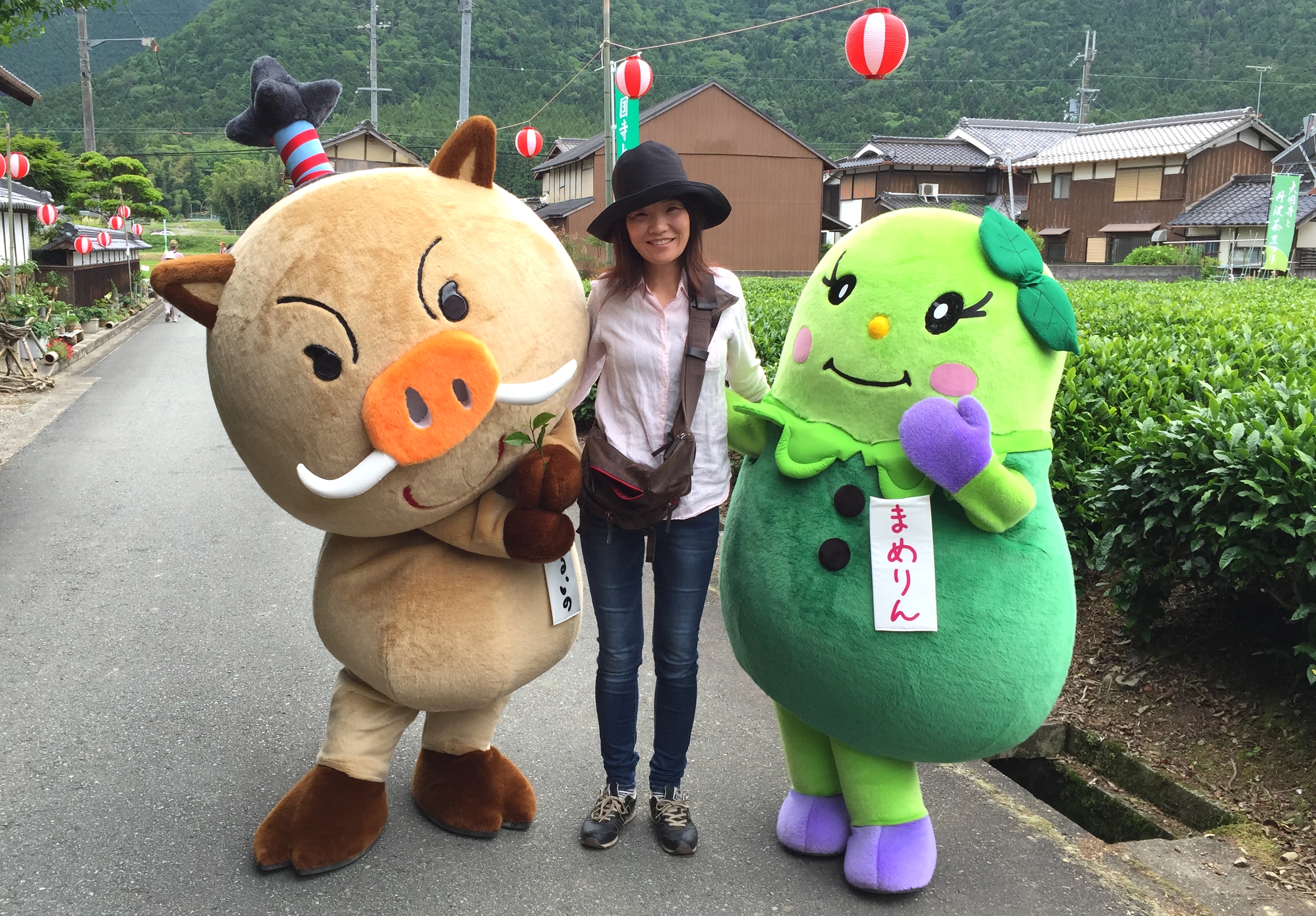
                                             Masumi at the Daikokuji Tea Festival

While Japan is called The Land of the Rising Sun, my personal preference actually would be The Land of the Festivals.  The entire calendar is littered with fascinating, extremely entertaining, family-oriented festivals.

I can think of no equivalent in the U.S. to what goes on here.  Yes, we have rock festivals and various other extravaganzas.  But they are very specific to a type of event and usually local.  Here in Japan, the festivals are both a local and a national phenomenon. 


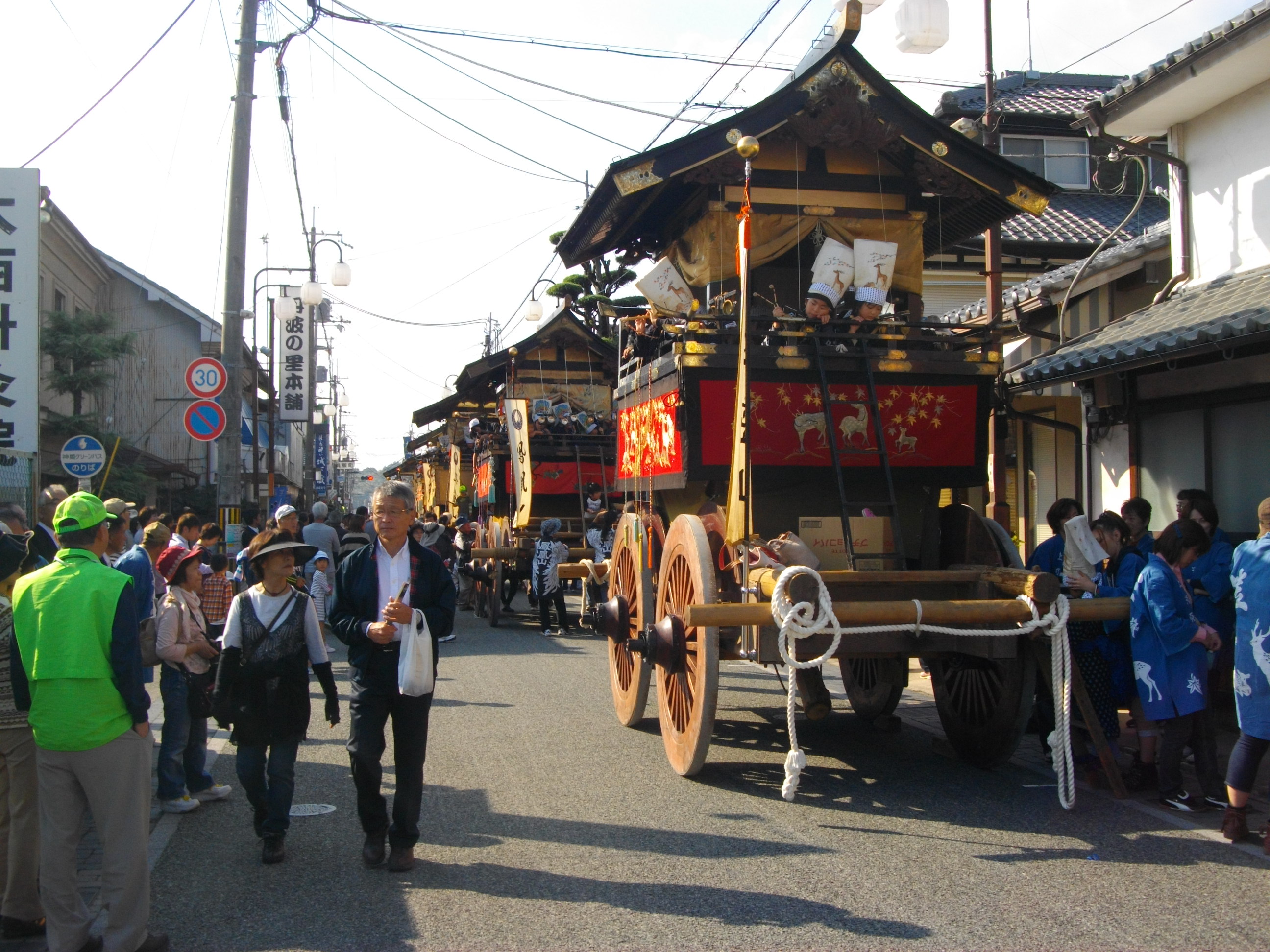
                     Festival of the Portable Shrines

Some local festivals are unique to a town or region.  Here in Sasayama, we have the Wild Boar Festival that fits into that category.  Not really too many wild boars running loose in Osaka or Tokyo that I know of.  We also have our Black Bean Festival, because Sasayama is renowned across Japan for the quality of its soybeans (black beans are soybeans which have ripened and dried on the vine and are black in color).


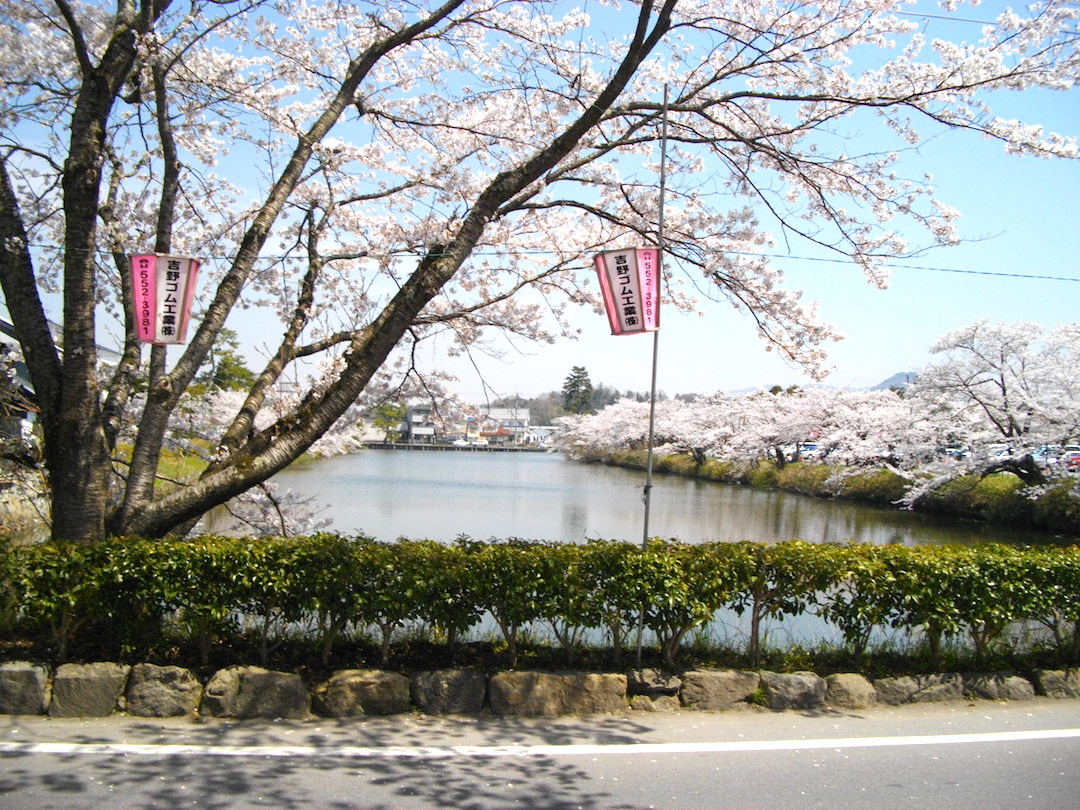
                     Cherry Blossom Festival

The big festivals are national.  Yes each locale or region has a celebration.  But the festival being celebrated usually is being celebrated across all of Japan at the same time.  Examples of this are the Cherry Blossom Festival early April and the Festival of the Portable Shrines in late October.

Obon is yet another national celebration, actually an annual Buddhist event first half of August, commemorating one's ancestors.  It is one of the three busiest times of the year in Japan for travel and taking a holiday break.  Everywhere in Japan, there are Obon festivals being held.

This year, my wife Masumi and I headed north to Tohoku for two weeks of camping and attending some of the most famous of these Obon events in the country.

Everywhere we went, there were fireworks, parades, singing and dancing.  Here are a few of the highlights.

Aomori

This is reputed to be one of the most spectacular festivals in Japan.  The giant internally-lit paper floats are astonishing.  The crowd is rowdy -- well, as rowdy as it gets here in Japan -- the drumming tribal.  Quite a show!


Yamagata

This was my favorite festival.  The participants sang and danced.  I loved the song they were singing.  The costumes, the choreography, the town itself ... superb!


Sendai

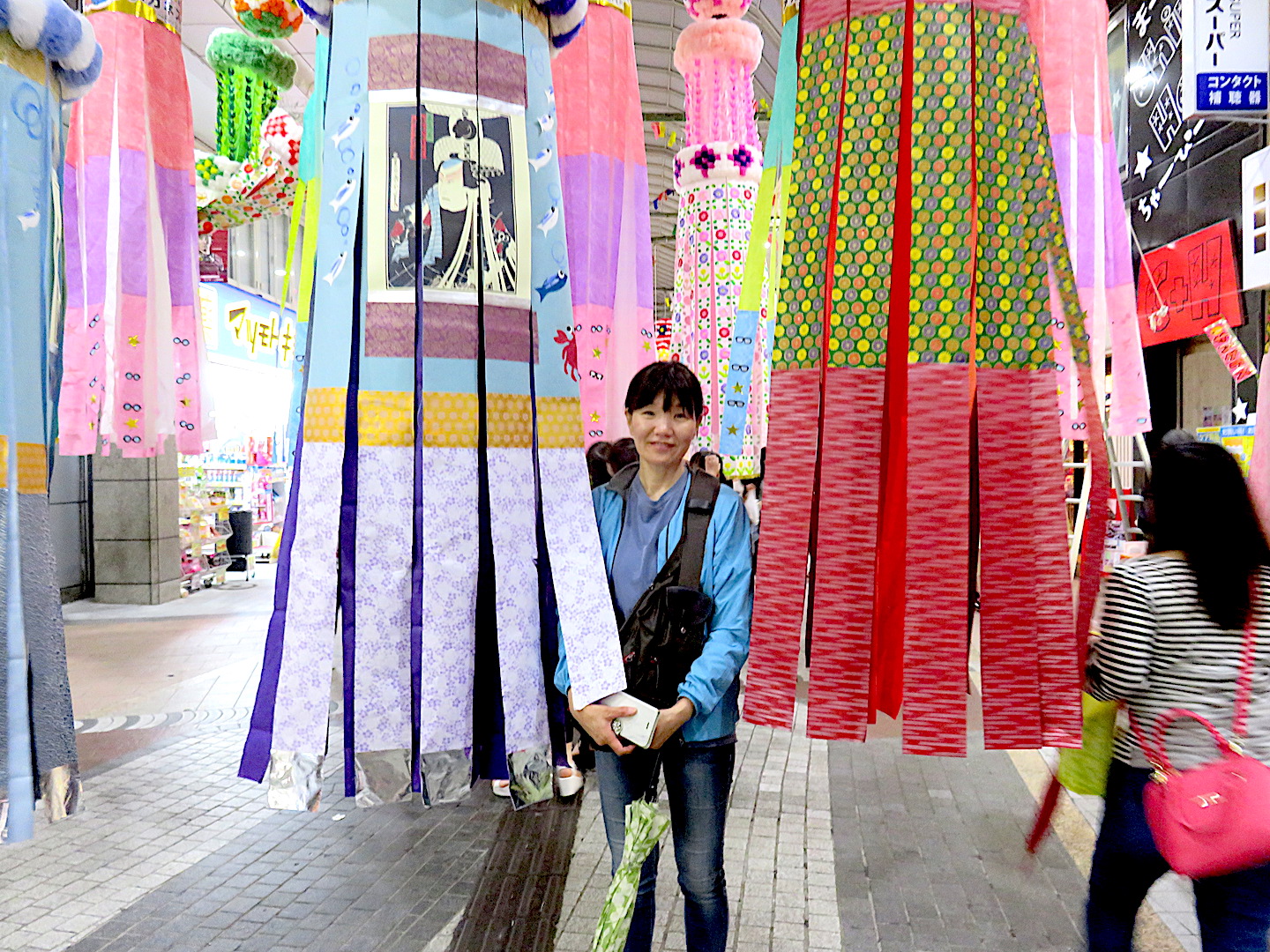
Sendai -- famous for its proximity to Fukushima -- was more of a gallery affair than a rollicking good-time festival.  Hanging in the promenades which are ubiquitous in urban settings here in Japan were beautiful hanging paper sculptures, literally thousands of them.


We returned from our excursion just in time for the Dekansho Festival, this one unique to our town and one of my favorite local annual events.  The music is traditional and live, and everyday folks perform the Dekansho folk dance.  The event celebrates the harvesting of the rice and is hundreds of years old, representing the long agricultural roots of this community.


[ This originated at the author's personal website . . . https://jdrachel.com ]


Life In Japan: Festivals


Thursday, December 20, 2018

Life In Japan: Kobe’s Luminarie


On January 17, 1995 Japan suffered a devastating 6.9 earthquake, which killed over 6,400 people.  It was Japan's worst earthquake in over 80 years.  The vast majority of casualties and damage occurred in Kobe, situated only 20 kilometers (12.4 miles) from the epicenter.

I was in Los Angeles at the time and remember hearing about it, but it was off somewhere to the side on a secondary radar screen.  Since news of tragedies across the globe pour in constantly now, one becomes more and more desensitized as time goes on.  There's always something somewhere going on.  The further away the incident, the more likely it is to be ignored and dismissed, with local shootings, fires, riots, celebrity and political scandals, auto crashes, and other items on the assembly line of misery and human idiocy taking center stage.

The Kobe earthquake was not some far-off and distant event for my wife.  Her family is originally from Kobe and she lost two cousins that fateful morning, when at 5:46 am they were killed in their sleep, as the building they lived in collapsed and crushed them.  They were 12 and 14 years old at the time of this tragic event.


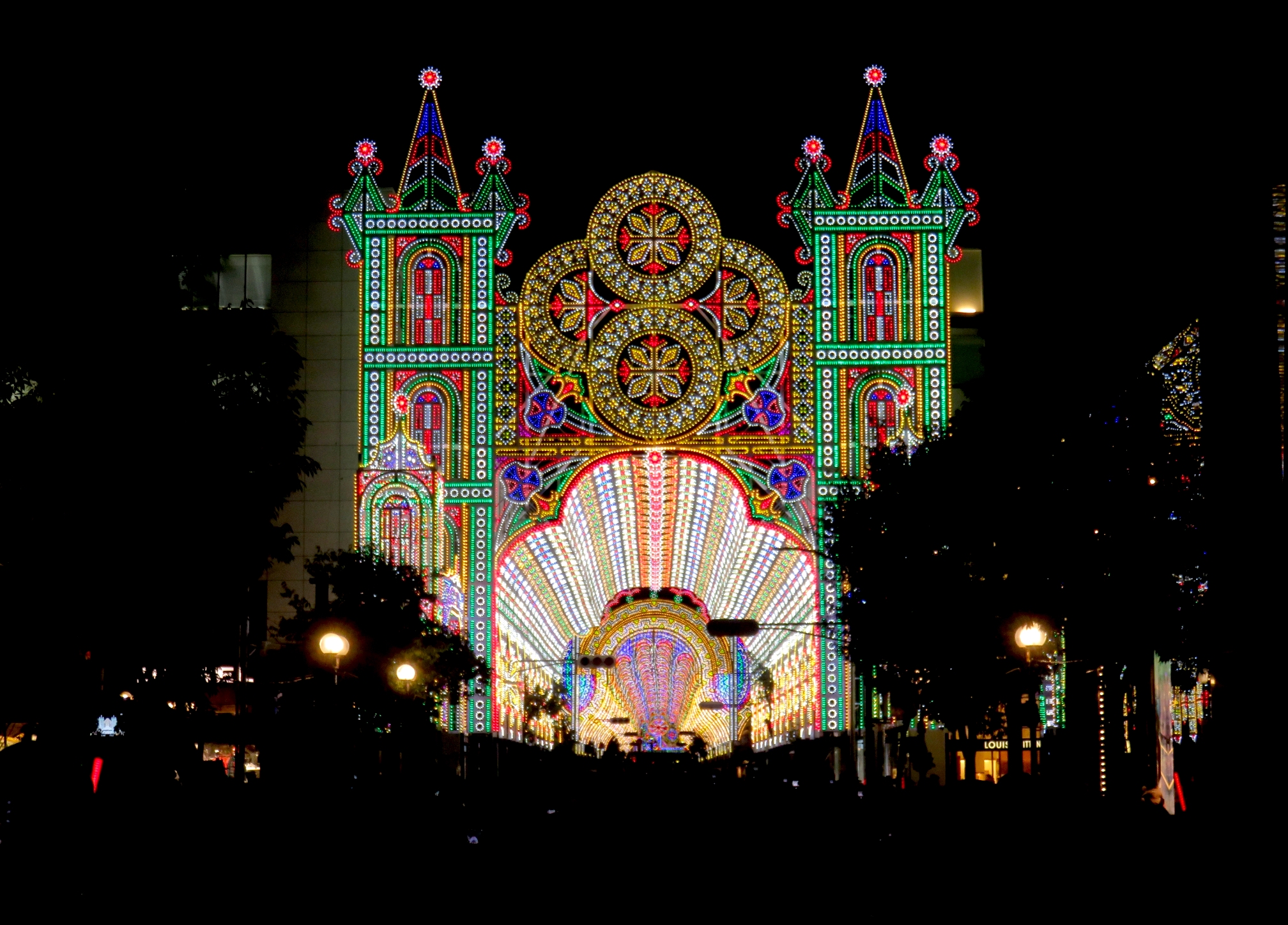
Every year now, since 1995, the city of Kobe holds a commemorative event in December, intended to pay tribute to the thousands of victims, the thousands of responders, doctors, nurses, firemen, police who worked tirelessly for months afterwards, and the thousands of citizens who rebuilt the city over many years.  It's called the Luminarie.  Several blocks of Kobe are cordoned off and people walk through a cathedral of lights which majestically towers over them.  It takes about 40 minutes and ends in a three-sided light sculpture amphitheater, where you can offer prayers and ring a memorial bell.

There are so many dazzling, interesting, spectacular festivals and celebrations going on in Japan each year, it's often overwhelming.  The Luminarie is extremely beautiful but more somber than most.  It was rather haunting how quiet the crowd was approaching the area where the lights were.  Then, as the video below shows, things got extremely noisy.

This is the second time I've seen this astonishing display of artistic ingenuity.  The video doesn't begin to do justice to what a breathtaking experience it is in person.


[ This originated at the author's personal website . . . http://jdrachel.com ]


Life In Japan: Kobe’s Luminarie


Tuesday, December 4, 2018

Life In Japan: Monkeys


Meet some of my neighbors!

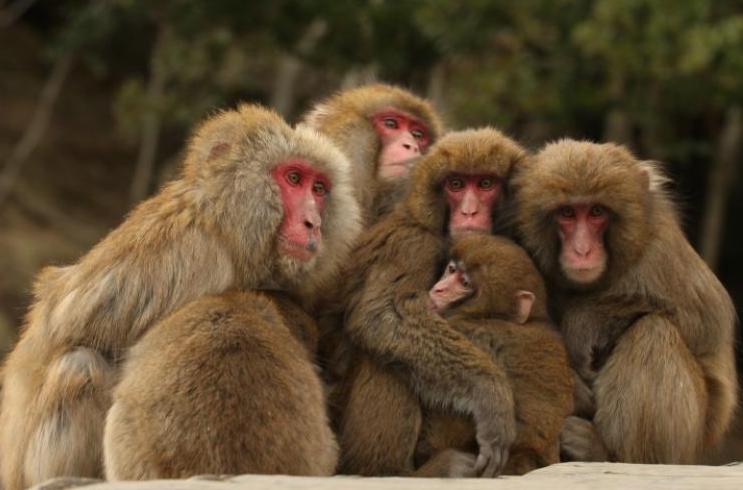
Yes, we have monkeys in Japan, right where I live.

There are an estimated 950 in Hyogo Prefecture -- a prefecture is the equivalent of a state and Japan has 47 total -- and 180 of the critters in Sasayama, Hyogo, my hometown.

Not that we see them that often.  But I have seen them.

Once on a bike ride very close to my house, I spotted one in a farmer's field, sitting in the midst of rows of beautiful, ripe vegetables, enjoying his own personal buffet. He was very mature, rather large, not a monkey I'd want to mess with.

Speaking of which, my step-daughter got into her car one morning, and a smaller but extremely upset macaque -- that's the variety we have here, pictured above -- jumped on her hood, issued all sorts of threatening gestures, screeches, and probably even monkey expletives, about some matter none of us have any clue about.  It might have been related to the presence in the house of my step-daughter's black labrador, as monkeys -- at least our local monkeys -- are fascinated with domesticated dogs. The incident ended without any damage to her car, the mirrors and windshield wipers still in place, with the monkey bounding off to its next soapbox to lodge complaints about whatever crises monkeys believe warrant their histrionic objections.
It's not as if we're not trying to coexist with our furry friends.  There's room for all.


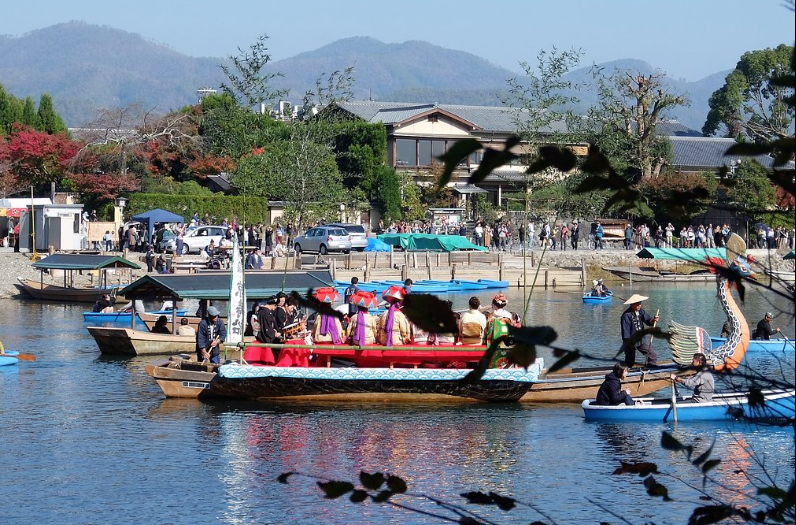
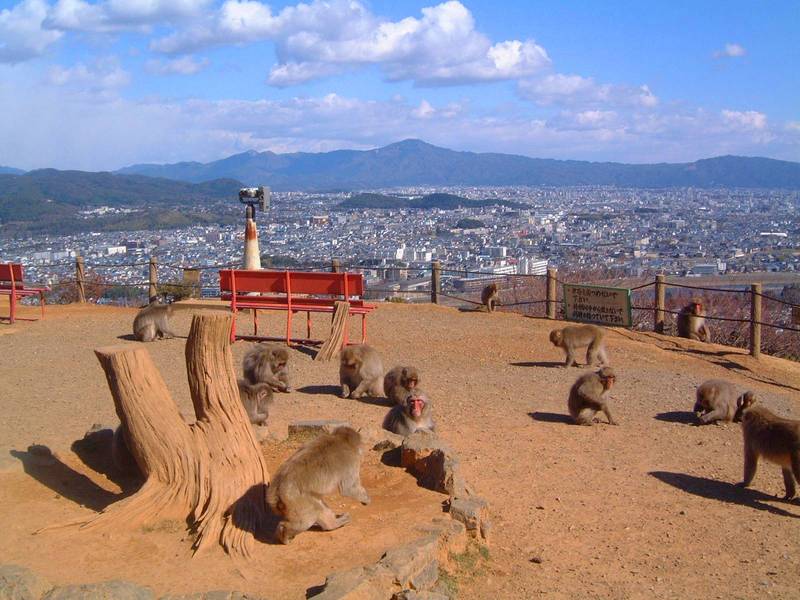
There's a park in Kyoto -- the Iwayatama monkey park.  If you're ever in that city, I highly recommend it.  The park is a short walk across the Oi River from Arashiyama, a must-see district with many interesting temples, shrines, stores, a bamboo forest, the site for a number of wonderful festivals.  For about $100, you can get made up head-to-toe as a geisha, something I would love to do, even if it would understandably put my sexuality in serious question among my Western friends.  Here in Japan, they're not so hung up on such matters.  There are many celebrities, some of whom regularly appear on television, who are either transvestites or transexuals.


Anyway, getting back to the monkey park.  It's on top of a modest-size mountain.  The hike alone is worth it, up a splendid trail through the forest which covers the entire mountain until you reach the summit.  On top you'll find over 200 monkeys, hanging out, looking for food handouts -- you can buy appropriate nutritional items from the park station -- doing what monkeys on public display typically do.  You are cautioned to NEVER look them squarely in the eyes, as they take that as confrontation, a sign that you are threatening and are ready for battle.

I've taken this advice and extended it to all my human interactions, especially with anyone in the West.  I never look them in the eye.  If they're American, they probably are armed to the teeth and that would be the end of John Rachel.  No more monkey sightings or even my characteristic monkey business.

Banana anyone?


[ This originated at the author's personal webpage . . . http://jdrachel.com ]


Life In Japan: Monkeys


Monday, October 22, 2018

Life In Japan: A Lost Wallet


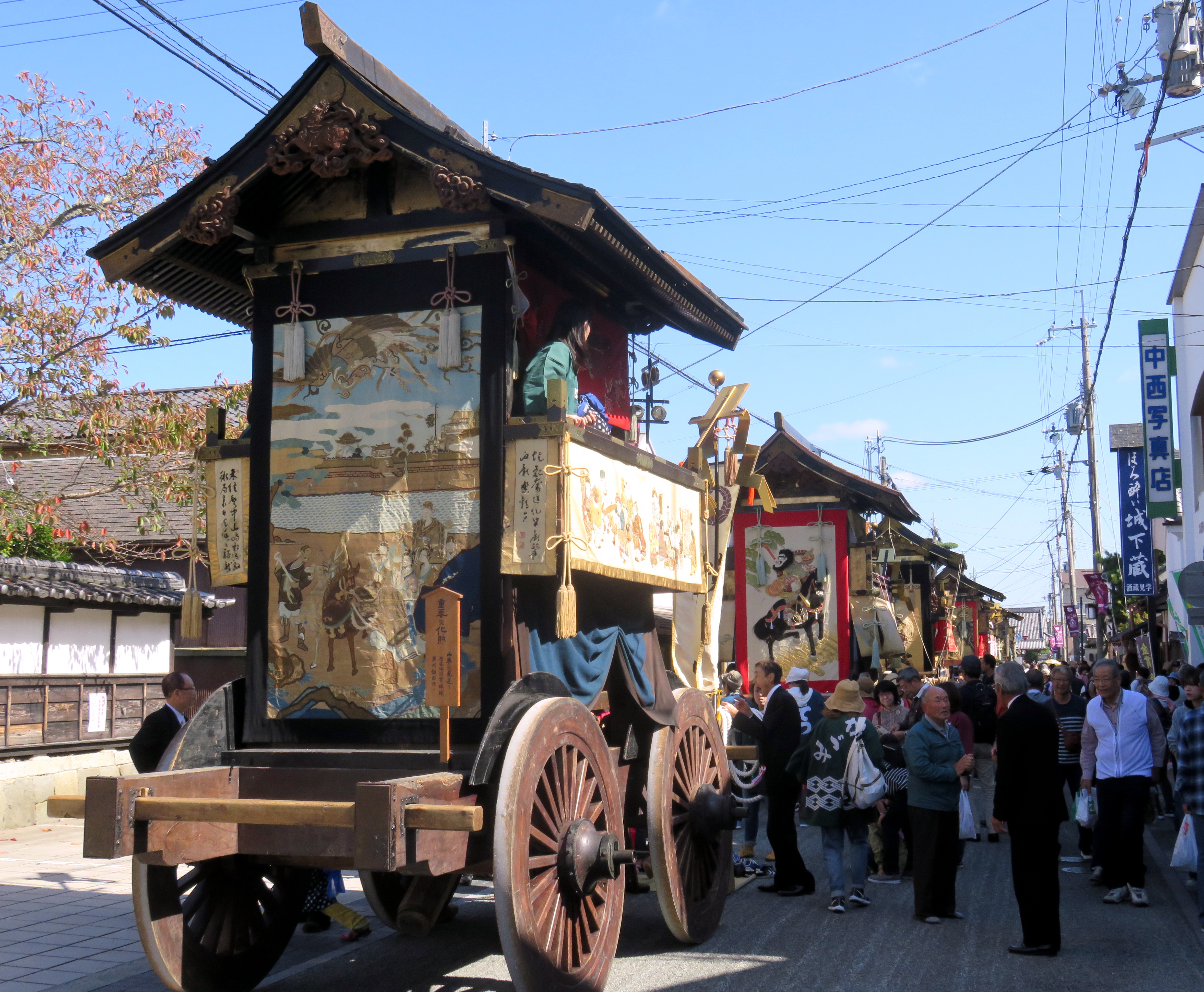
Every year in October, we have here in Sasayama -- my hometown -- the Festival of the Portable Shrines.  It's one of my favorites!

It coincides with the black bean harvest.  Soybeans are called black beans because if they are left on the vine, they turn black and harden, making them easy to store and use over the coming year.
The town is famous over much of Japan for the quality of its black beans.  This means that the weekend of the festival, Sasayama is flooded with tourists.

A gentleman arrived here from Kobe, which is about an hour away.  He came to purchase black beans, but when the moment came to pay, he discovered his wallet was missing.

There are no pickpockets here, so obviously he had dropped it somewhere in town.

He went to the nearest Koban.  There are many here in Sasayama, as there are all over Japan.  A Koban is a mini-police station.  In the U.S. there is much lip service given to community policing, having friendly cops in the neighborhood to address problems which come up in the local area.  In Japan, it's a reality and an integral part of a functioning community.

The policeman on duty -- considering Kobans are, despite being extremely useful and efficient, very limited affairs, often just a two-room building with one parking space for a patrol car, there was probably only one or at the most two officers there -- took a report, then got on the phone.  He called all the other Kobans in the immediate area, anywhere close to where the gentleman had parked his car, then walked into the main part of town.

He passed along the man's name and a description of the wallet.

Now get this . . .

While he was on the phone with another Koban, someone walked in with the wallet and handed it to the policeman on duty there.

The gentleman from Kobe walked the short distance to the other Koban, and retrieved his wallet. 

The contents -- credit cards, ID, cash -- were intact.  Not a single item had been stolen.

I'm not going to moralize.  Draw your own conclusions.  Imagine dropping your wallet wherever you live and decide how the story would have ended.

I'll say it again . . . I love Japan!


[ This originated at the author's personal website . . . http://jdrachel.com ]


Life In Japan: A Lost Wallet


Saturday, July 28, 2018

Creativity: Two Existentialists Walk Into A Bar . . .


Professor Phyllis Dornberger – my PhD thesis adviser – and I certainly had our share of disagreements.  About everything.

I could have been intimidated.  I mean, here was a lady who read the dictionary on her lunch hour like it was People Magazine.

But I was confident and stood my ground, with naïve posturing that was equal parts youthful impudence and iconoclastic exuberance.

Dornberger was a logical positivist.  I'm an existential relativist.

It should have been no contest.

Indeed, it wasn’t.

Yes, in the end, she got the best of me.  The price for my impatience, my lack of self-control, my smug display of tactlessness, my colossal tactical faux pas in the requisite art of jockeying for advantage – which is really all philosophical discourse is about anyway – was asymmetrical in the extreme, with no room for negotiation, no room for remediation, no recourse or appeal.  Philosophers don’t mess around.  Especially logical positivists.

My comment was innocent enough.

But what floats frivolously in casual repartee bubbles like the caustic acid of vitriol and mockery on a
page – especially an intra-departmental memo.
What can I say in my defense?

Too much bubbly spirits is sometimes a good excuse.  But in this case, a roll of duct tape with the Kölsch pale ale would have helped to mitigate my infantile error in judgment.  Hindsight is so powerful but ultimately useless.

I now know . . .

I never should have called Professor Dornberger an insatiable proof sucker searching for the perfect syllogism, if only she could figure out how to deep throat a syllo.

Yes, this was the shameful closing scene of my career as a philosopher . . .


[ This originated at the author's personal website . . . http://jdrachel.com ]


Creativity: Two Existentialists Walk Into A Bar . . .